Survival mistakes that expose people in the wilderness
You don’t get into real trouble in the backcountry all at once. It builds. A small decision here, a shortcut there, and before long you’ve stacked the odds against yourself without realizing it. Most survival situations aren’t about bad luck—they come down to exposure. Cold, heat, terrain, and time working against you while you’re underprepared or out of position.
If you’ve spent enough time outside, you’ve seen how fast things can turn when you’re tired, wet, or off your game. The mistakes that cause problems tend to be the same ones, over and over. Here are the ones that expose people the fastest.
Moving Too Far Without a Plan
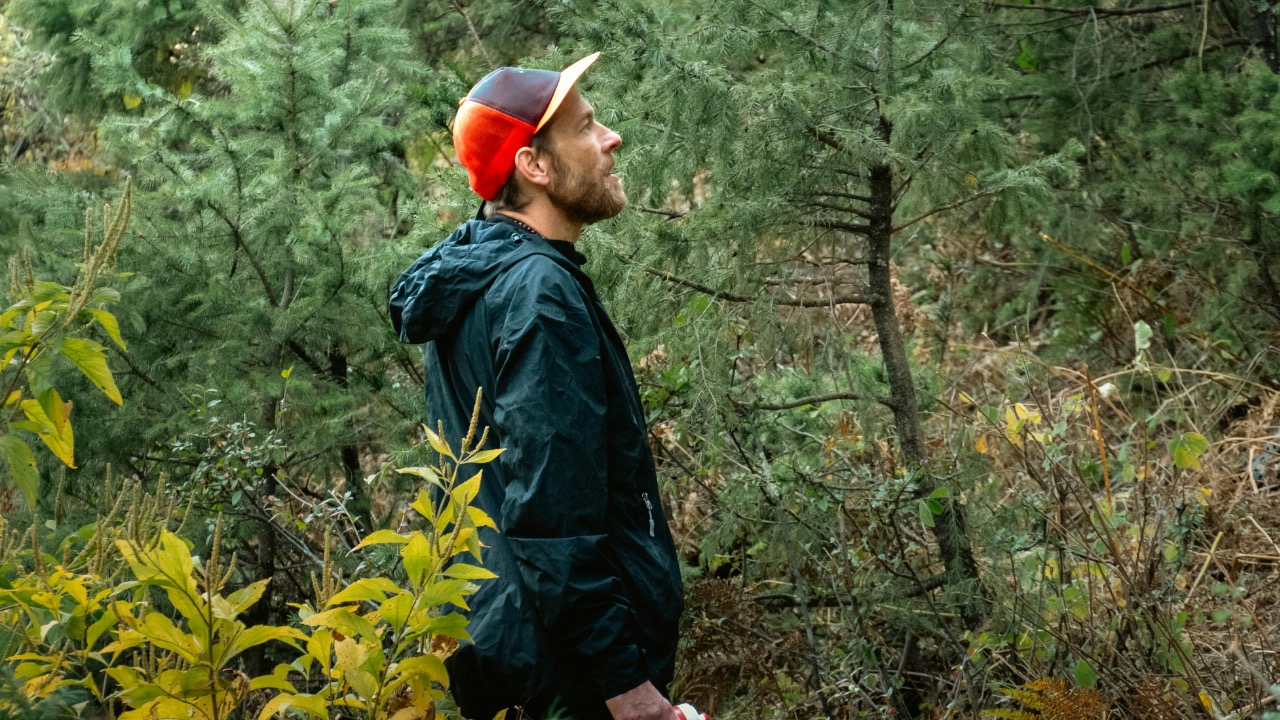
You head out thinking you’ll figure it out as you go. Maybe it’s a short hunt, maybe a quick hike. Either way, you push farther than intended without marking your route or setting a turnaround time.
That’s how people get turned around. Terrain looks different on the way back, light fades, and suddenly you’re guessing instead of navigating. Once you’re off track, every step burns energy and daylight. A loose plan doesn’t hold up when things shift. You need clear limits before you leave, not after you’re already deep and second-guessing every direction.
Ignoring Weather That’s Already Turning
You check the forecast once and call it good. But weather doesn’t always follow the script, especially in mountains or wide-open country. You see clouds building, wind picking up, maybe a drop in temperature—and keep going anyway.
That’s how you get caught wet and cold without a way to recover. Rain soaks your layers, wind cuts through you, and your body starts losing heat faster than you can replace it. Hypothermia doesn’t wait for extreme conditions. It creeps in when you ignore early warning signs and fail to adjust while you still have the chance.
Not Carrying Enough Layers
A lot of people pack for comfort at the trailhead, not for what happens when they stop moving. You feel warm hiking in, so you leave extra layers behind or pack light.
Then you sit, glass, or get stuck after dark and your body cools off fast. Sweat turns cold, wind picks up, and you don’t have enough insulation to hold heat. That’s when exposure starts working on you. Layers aren’t about comfort—they’re about control. If you can’t regulate your temperature, you’re already behind.
Getting Wet Without a Backup Plan
Water is one of the fastest ways to lose control of your situation. Crossing creeks, hiking in rain, sweating through your base layers—it all adds up.
If you don’t have dry gear or a way to get dry, you’re in trouble. Wet clothes pull heat away from your body, even in mild conditions. You slow down, your judgment slips, and small problems grow. Staying dry isn’t always possible, but planning for when you’re not is what keeps you in the game.
Overestimating Your Pace and Daylight
You think you can cover more ground than you actually can. It happens all the time, especially when terrain gets rough or you’re carrying weight.
Daylight disappears faster than expected, and now you’re finishing the last stretch in the dark. That’s when navigation errors creep in, footing gets sloppy, and injuries happen. Moving at night without preparation stacks risk fast. You need to plan your pace based on the slowest conditions, not the best ones.
Skipping Navigation Tools or Backup Options
Relying on memory or a single device is a common mistake. Phones die, GPS units fail, and landmarks don’t always look the same when you’re tired or turned around.
Without a backup—map, compass, or even marked waypoints—you’re guessing. Guessing leads to wandering, and wandering burns time and energy you can’t afford to lose. Navigation isn’t about confidence. It’s about having multiple ways to stay on track when one of them fails.
Not Eating or Hydrating Enough
You can push through hunger and thirst for a while, but it catches up. Energy drops, focus fades, and your body doesn’t regulate temperature as well.
That’s when poor decisions start stacking up. You move slower, think less clearly, and miss signs you’d normally catch. Food and water aren’t extras—they’re part of your ability to function. Once you’re behind on either, it’s hard to recover without stopping and correcting it.
Wearing the Wrong Footwear
Footwear doesn’t get much attention until it starts causing problems. Blisters, poor support, or soaked boots can slow you down fast.
When your feet go, everything else follows. You change how you walk, burn more energy, and increase your chance of slipping or falling. In rough terrain, that’s all it takes to turn a manageable situation into a real one. Good boots aren’t about comfort—they keep you moving when you need to.
Pushing Through Fatigue Instead of Stopping
There’s a point where pushing harder stops helping. Fatigue affects balance, awareness, and decision-making more than people realize.
Instead of stopping to reset, many keep going, thinking they’ll get out faster. That’s when mistakes happen—missed turns, bad footing, poor calls. Taking a short break, eating, and regrouping can save you hours of trouble later. Ignoring fatigue doesn’t make you tougher. It makes you vulnerable.
Failing to Signal or Make Yourself Visible
If things go sideways, being found matters. Too many people don’t carry signaling tools or don’t use them early enough.
You might assume you’ll walk out, but if you can’t, you need to be seen. Bright colors, fire, mirrors, whistles—they all increase your chances. Staying hidden by accident is more common than you’d think, especially in thick cover or broken terrain. Visibility isn’t an afterthought. It’s part of staying alive when you’re stuck.
Most of these mistakes don’t feel serious when they happen. That’s the problem. They build quietly until you’re exposed, tired, and out of options.
If you stay ahead of them—plan your movement, manage your gear, and pay attention to conditions—you keep control. And in the wilderness, control is everything.

Asher was raised in the woods and on the water, and it shows. He’s logged more hours behind a rifle and under a heavy pack than most men twice his age.