Why more hunters are questioning traditional calibers in 2026
You don’t have to spend much time at a range or around a tailgate these days to hear it—guys are rethinking what they carry in the field. The old standbys are still killing game, same as they always have. But there’s a shift happening, and it’s not driven by trends alone. It’s coming from better bullets, changing hunt styles, and a generation that questions what it was handed.
You’re not seeing traditional calibers disappear. What you’re seeing is more hunters asking if they still make the most sense for how and where they hunt today. That’s a different conversation than it was even ten years ago.
Bullet Design Has Changed the Game
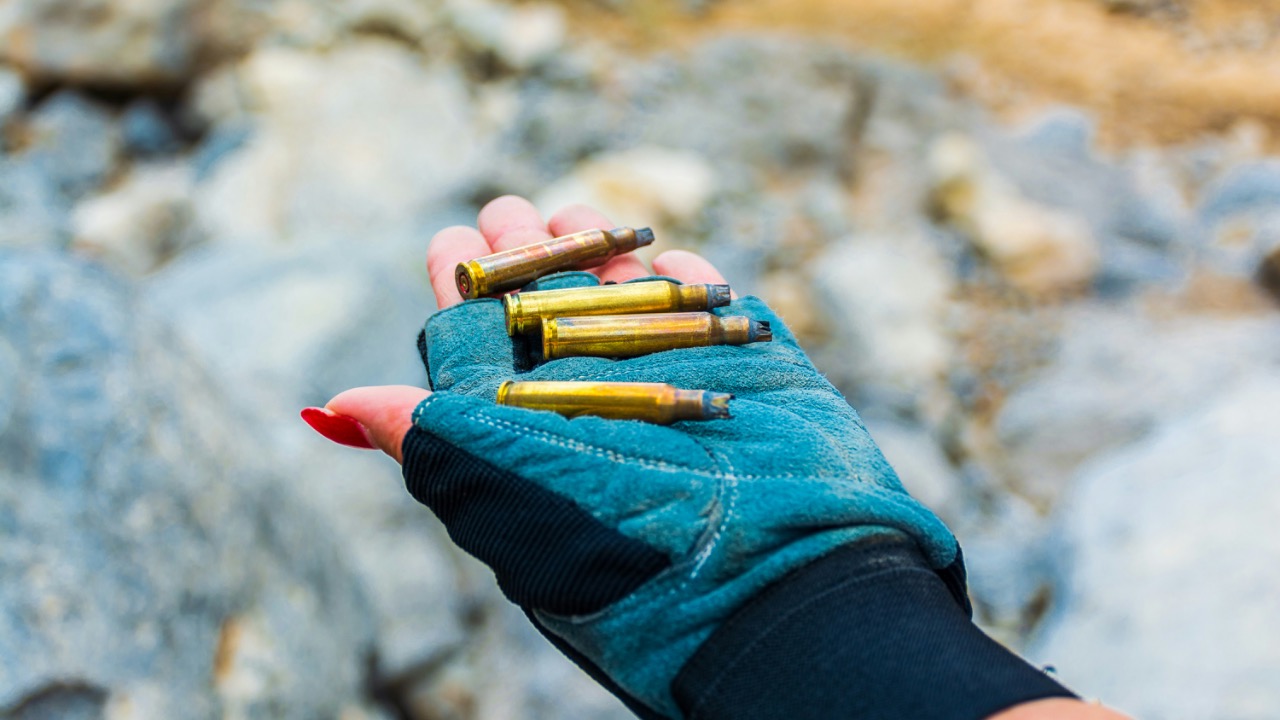
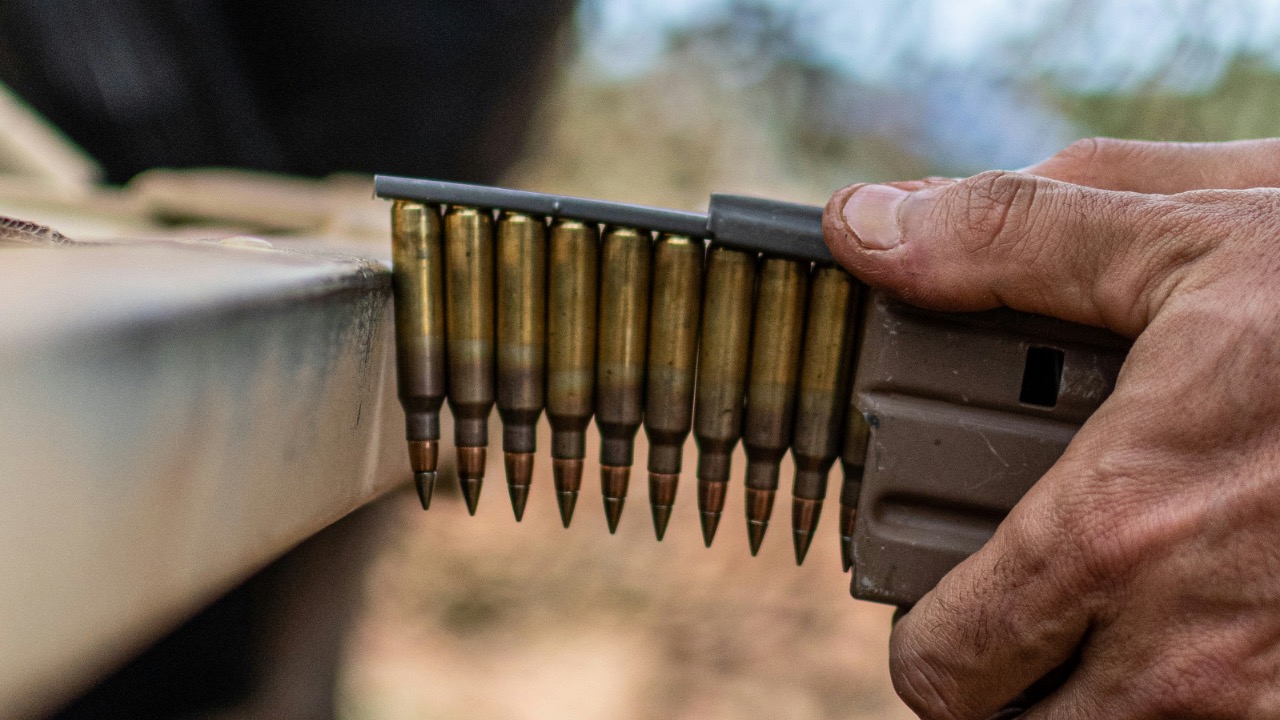
You’re not working with the same bullets your dad sighted in. Modern projectiles hold together better, expand more reliably, and perform across a wider range of velocities.
That matters when you start looking at smaller or more efficient calibers. A well-built bullet can close the gap that used to exist between lighter rounds and heavier ones. You don’t need as much raw size to get consistent penetration and clean kills. Once you see that in the field, it changes how you think about what’s “enough.”
Recoil Is Getting More Attention
After a few seasons, you start to realize recoil isn’t something to ignore. It affects how you practice, how you shoot under pressure, and how well you recover for a follow-up.
Lighter recoiling calibers make it easier to stay on the gun and spot your shot. That’s not theory—it shows up when you’re shooting from awkward positions or dealing with adrenaline. A lot of hunters are figuring out they shoot better with less recoil, and that’s pushing them away from heavier traditional options.
Suppressors Are Influencing Caliber Choices
As suppressor use becomes more common where it’s legal, it’s changing how people think about rifles. A suppressed setup handles differently, and not every caliber fits that role the same way.
Shorter barrels, manageable recoil, and efficient powder burn all start to matter more. Some traditional calibers weren’t built with that in mind. Hunters setting up suppressed rifles are leaning toward rounds that perform well in compact builds without giving up effectiveness on game.
Long-Range Shooting Has Raised Expectations
You don’t have to shoot extreme distances to feel the influence of long-range thinking. Ballistics, wind drift, and drop are part of everyday conversations now.
That’s led many hunters to look at calibers with better efficiency downrange. Flatter trajectories and higher ballistic coefficients make a difference, even at moderate distances. Traditional rounds still work, but they’re not always the easiest to stretch when conditions get tricky. That gap is enough to make people reconsider.
Rifle Weight and Handling Matter More Now
You start to notice rifle weight after a few miles, especially in rough country. Hunters are paying closer attention to how their setup carries and handles in real conditions.
Smaller cartridges often mean lighter rifles and less bulk overall. That’s a real advantage when you’re covering ground or climbing elevation. Traditional calibers can come with longer actions and heavier builds, which isn’t always ideal depending on how you hunt. The more mobile your style, the more this factor stands out.
Ammo Availability Has Been Unpredictable
Over the past several years, you’ve probably had trouble finding certain loads at one point or another. That experience sticks with you.
Some hunters are moving toward calibers that are either widely available or easier to keep stocked locally. Others are choosing newer rounds that manufacturers are actively supporting. When you can’t count on finding your preferred ammo, it forces you to rethink your setup. Reliability off the shelf matters more than it used to.
Hunt Styles Are Changing
Not everyone is sitting over the same fields or hunting the same terrain anymore. Spot-and-stalk, backcountry hunts, and mixed-terrain setups are more common.
Those styles reward efficiency. You want a rifle that carries well, shoots flat enough for varied distances, and doesn’t beat you up over time. That doesn’t always line up with the heavier traditional calibers many hunters started with. As hunting styles shift, caliber choices tend to follow.
Experience Is Replacing Tradition
A lot of hunters grew up hearing the same advice about calibers. Some of it still holds, but more people are testing it for themselves now.
When you see how different setups perform in real hunts, it becomes less about tradition and more about results. Hunters are comparing notes, sharing data, and adjusting based on what works—not what’s been repeated for decades. That shift in mindset is a big reason these conversations are happening more often.
Traditional calibers aren’t going anywhere. They’ve earned their place, and they still get the job done. But you’re seeing more hunters take a hard look at their choices, and that’s not a bad thing. It means people are paying attention, adapting, and building setups that fit how they actually hunt today.

Asher was raised in the woods and on the water, and it shows. He’s logged more hours behind a rifle and under a heavy pack than most men twice his age.