Where you’re most likely to hear a mountain lion in the U.S.
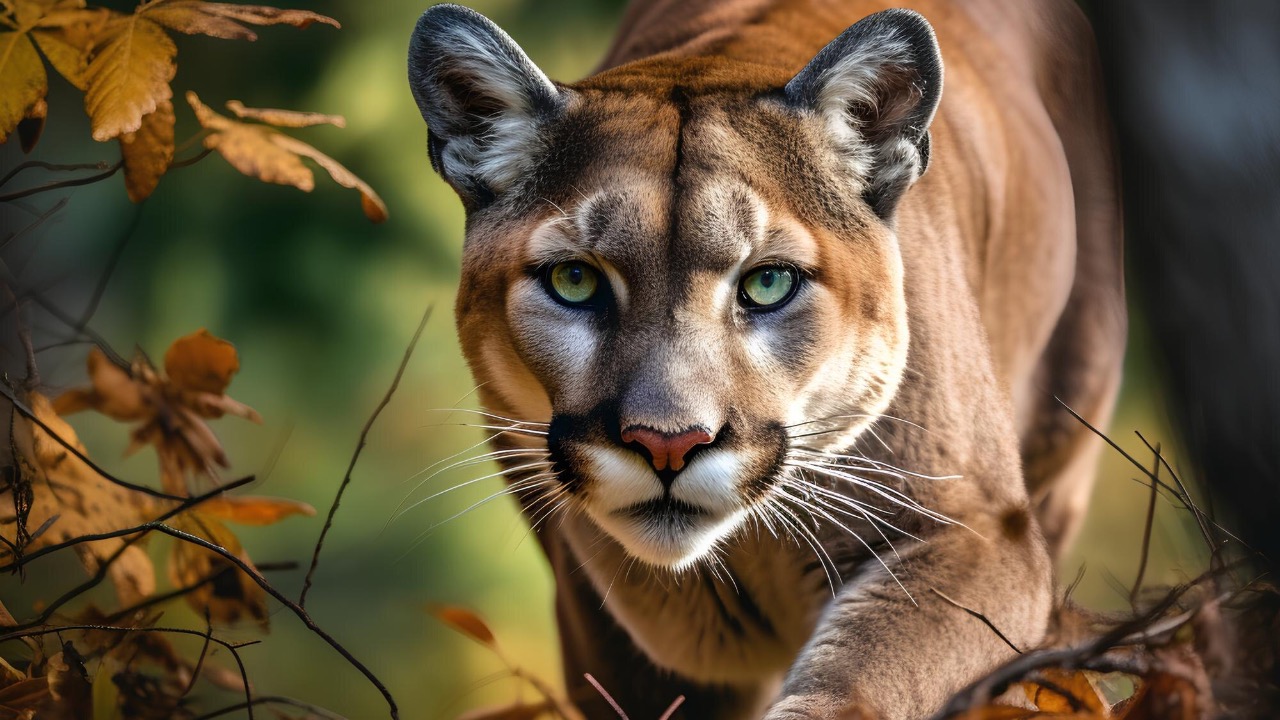
You don’t forget the first time you hear a mountain lion. It doesn’t sound like what you expect. It’s not a roar like a lion on TV—it’s closer to a scream, sharp and human enough to make you stop in your tracks. Most folks spend a lifetime in lion country and never hear one, but if you spend enough time out there, especially at the right hours, your odds go up.
Where you are matters. So does when you’re there, and how quiet the country is. Some places consistently give you a better shot at hearing one than others. Here’s where your chances are highest across the U.S.
Rocky Mountain Foothills Hold the Right Mix of Cover and Prey
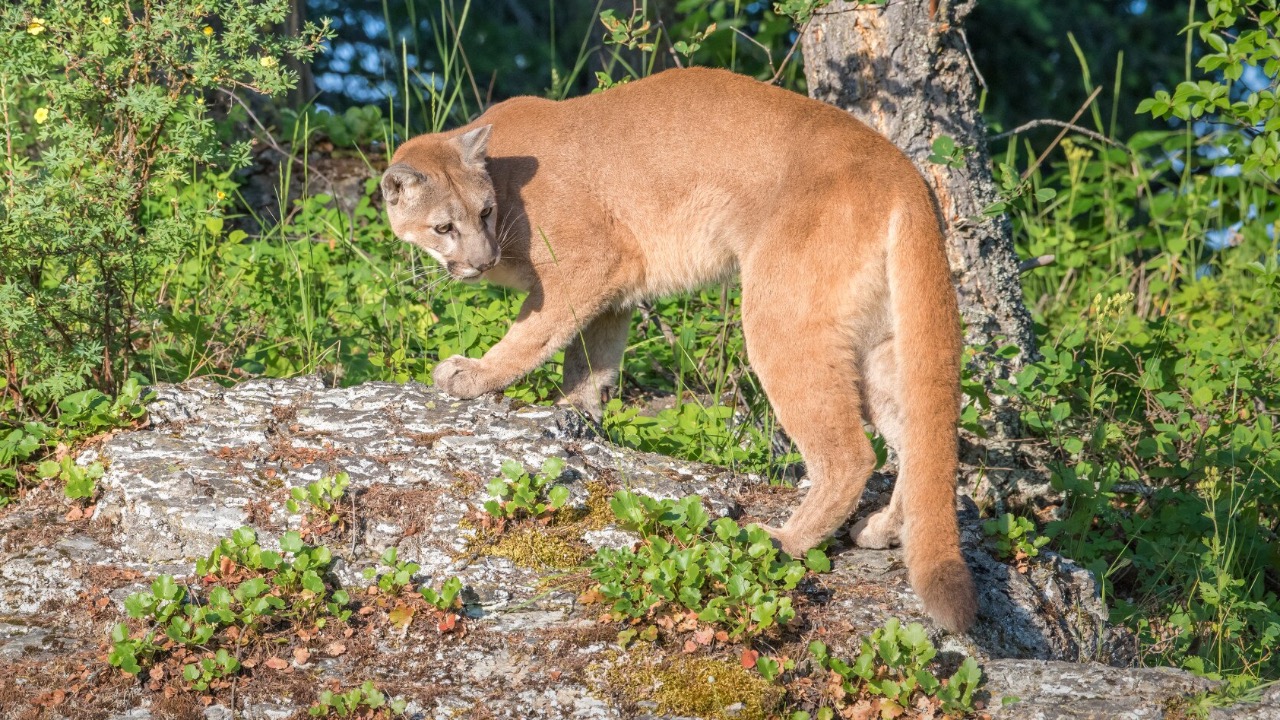
Spend time along the foothills of the Rocky Mountains and you’re in classic lion country. Broken terrain, thick timber, and steady deer populations give lions everything they need. You’re rarely far from one, even if you don’t know it.
Sound carries well here, especially in the evening when the wind drops. If a lion vocalizes—whether it’s a mating call or a warning—you’ve got a better chance of hearing it echo through draws and ridges. You’ll want to be out at low light, sitting still, because movement and noise on your end will shut that opportunity down fast.
Desert Mountain Ranges Amplify Sound at Night
In places like southern Arizona and New Mexico, lions use rugged desert ranges that don’t look like much at first glance. But once the sun drops, those canyons come alive in a different way.
The dry air and open rock carry sound a long way. A lion’s scream can travel across basins and bounce off canyon walls, making it seem closer—or farther—than it really is. If you’re camped out in that country, especially near water sources or game trails, your odds go up. Nighttime is when it happens, and it tends to come out of nowhere.
Thick Timber in the Pacific Northwest Hides More Than You Think
The deep forests of the Pacific Northwest don’t give up much, but they hold a strong lion population. Dense cover, steep terrain, and plenty of blacktail deer make it prime ground.
You won’t see far in that country, which makes your ears more important than your eyes. When a lion does make noise, it cuts through the timber in a way that gets your attention quick. Early morning and late evening are your best windows. It’s quiet, damp, and still—perfect conditions for sound to travel without getting swallowed by wind or distance.
California’s Remote Backcountry Still Produces Encounters
Backcountry stretches in California hold one of the largest mountain lion populations in the country. The mix of mountains, brush, and foothill habitat keeps them spread out but steady.
You’re more likely to hear one in less pressured areas, away from heavy hiking traffic. When lions do vocalize here, it’s often tied to territorial behavior or breeding. If you’re glassing at last light or easing out of a canyon after dark, that’s when it can happen. It’s rare, but it’s real—and it tends to stick with you when it does.
Black Hills Offer Surprising Opportunities
The Black Hills don’t always get mentioned first, but they’ve got a well-established lion population. Pine cover, rolling terrain, and solid prey numbers make it suitable habitat.
What works in your favor here is the terrain. Sound carries through those hills, especially on calm evenings. If you’re posted up over a drainage or tucked along a ridge, you might catch a vocalization moving across the country. It’s not common, but it happens often enough that locals don’t shrug it off.
South Texas Brush Country Keeps Lions Quiet—but Not Silent
Down in parts of Texas, especially the rougher brush country, lions are around more than most folks think. They stay hidden well, using thick cover and moving mostly at night.
Hearing one here takes patience. The brush dampens sound, and wind can scatter it. But on still nights, especially near water or game movement, a vocalization can carry farther than you’d expect. You’re not likely to hear it often, but when you do, it cuts through the dark in a way that makes you pay attention.
Florida Panthers Still Call in the Swamps
In south Florida, the Florida panther—a subspecies of mountain lion—moves through swamps, hammocks, and thick cover. It’s a different kind of country, but the behavior lines up.
Sound doesn’t travel as cleanly through wet, dense habitat, but it can still carry along open stretches like sloughs or trails. Most people won’t ever hear one, but if you spend enough time in remote sections, especially at night, it’s possible. It won’t sound like much at first—then it hits you what you’re listening to.
Appalachians Are Quietly Seeing More Activity
The Appalachian Mountains don’t have established breeding populations in most areas, but there have been confirmed sightings and dispersing lions moving through.
If you hear one here, it’s a rare deal. But the terrain—steep ridges, hollows, and thick timber—can carry sound in a way that makes it believable. Most reports come at night, often described as something between a scream and a woman calling out. It doesn’t happen often, but it’s enough that seasoned woodsmen don’t dismiss it outright.
You can hunt your whole life and never hear a mountain lion. But if you spend time in the right country, stay out late, and keep quiet, your odds improve.
And if it does happen, you won’t need anyone to tell you what you heard.

Asher was raised in the woods and on the water, and it shows. He’s logged more hours behind a rifle and under a heavy pack than most men twice his age.