What experts say to do if you’re ever surrounded by hyenas
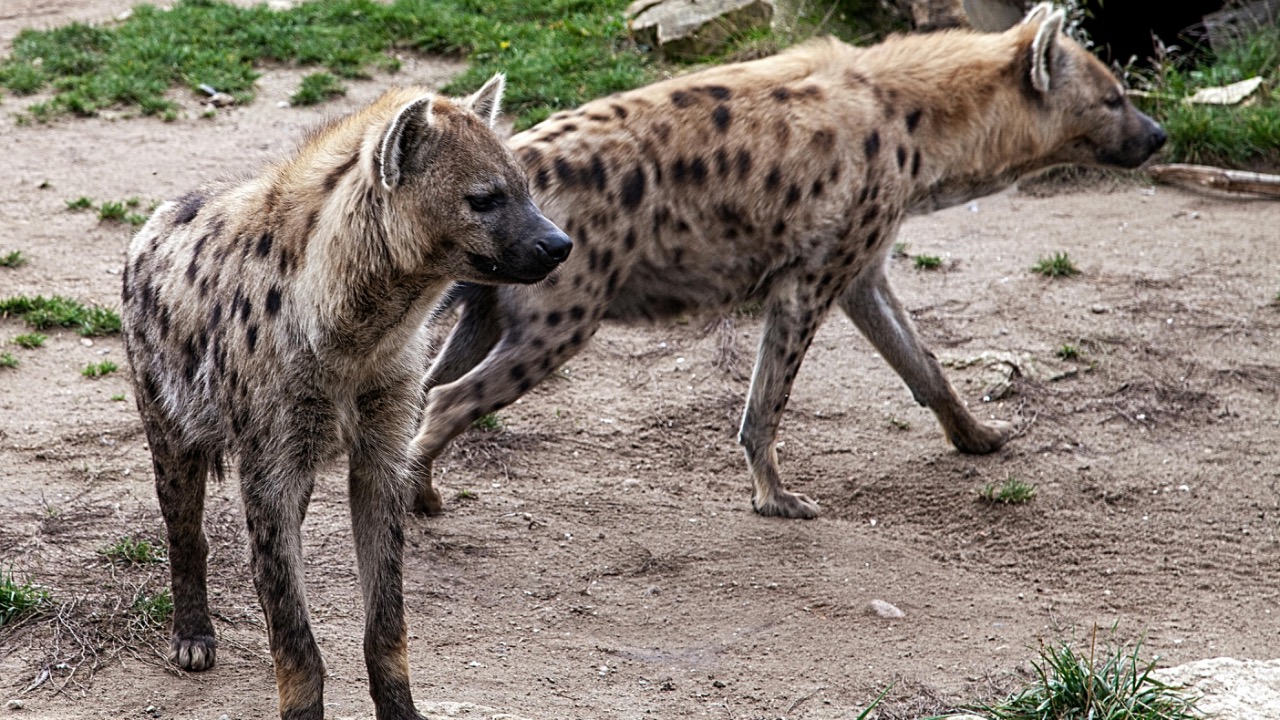
You don’t plan on running into a pack of spotted hyena, but if you spend enough time in the wrong place at the wrong hour, it can happen. Most encounters never get that far—hyenas tend to keep their distance. But in parts of Africa where human and predator overlap, especially at night, things can turn fast.
What makes hyenas tricky is how they operate. They’re social, they test boundaries, and they’re built to wear things down. If you ever find yourself surrounded, you’re not dealing with a single animal making a bad decision—you’re dealing with a group reading you in real time. Here’s how people who’ve studied and worked around them say to handle it.
Don’t Run, No Matter How Bad It Feels
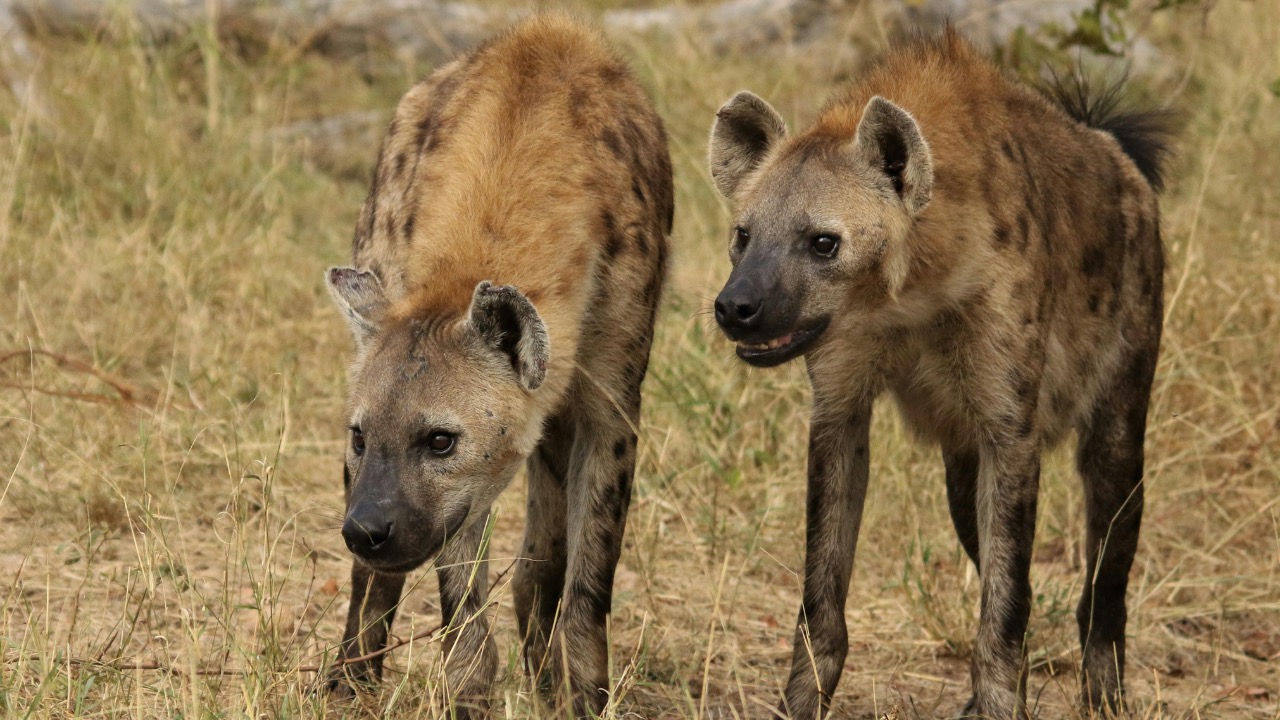
Your first instinct will be to move—fast. Fight that. Running flips a switch in predators, and hyenas are wired to chase. Once you break into a run, you’re no longer something to investigate—you’re something to catch.
Standing your ground doesn’t mean freezing up. You stay controlled, deliberate, and aware of where each animal is. Hyenas will often circle, looking for weakness or an opening. If you bolt, you give them both. Keep your feet planted, shift slowly, and track movement without panicking. It feels wrong, but it’s the move that keeps you in control of the situation.
Make Yourself Look Bigger and Hard to Approach
Hyenas size you up quickly. If you appear small, hunched, or unsure, they’re more likely to press closer. You want the opposite—upright posture, arms out, anything that adds to your profile.
If you’ve got a pack, jacket, or even a stick, use it. Raise it, spread it, make it clear you’re not easy to push around. You’re not trying to bluff like prey—you’re presenting yourself as something that could cause trouble. That hesitation you create is valuable. It buys you space and time, which are both in short supply when animals are circling.
Maintain Eye Contact Without Turning Your Back
You need to know where they are at all times. Hyenas often probe from behind or the sides, looking for a blind spot. Turning your back gives them exactly what they want.
That doesn’t mean locking eyes with one and ignoring the rest. You scan, shift your stance, and keep them in view as best you can. Slow, steady movement helps you stay oriented. If one starts edging closer, face it directly. Make it clear you see it. That awareness alone can stop a curious animal from committing.
Use Your Voice and Make Noise
Silence works against you here. Hyenas communicate constantly, and they pay attention to sound. A loud, steady voice signals confidence and presence.
Yelling, clapping, or banging gear together can push them back, especially if they’re testing you rather than fully committed. The key is consistency. You’re not screaming in panic—you’re projecting control. In many documented encounters, noise alone has been enough to keep animals from closing the distance further.
Back Away Slowly Toward Safer Ground
You don’t stand there forever. The goal is to create distance without triggering a chase. That means backing away slowly, step by step, while keeping your posture strong.
Look for higher ground, thicker cover, or anything that limits how easily they can surround you. If you’ve got a vehicle, building, or even a large rock formation nearby, that’s where you’re heading. The movement is controlled, never rushed. Every step is deliberate, and you keep watching them as you go.
Avoid Night Movement in Hyena Country
Most serious encounters happen after dark. Hyenas are far more active at night, and their confidence goes up when visibility drops.
If you’re in known hyena territory, limit how much you move after sunset. Stick close to camp, use strong lighting, and keep food secured. A lot of bad situations start with something routine—walking to a latrine, checking gear, or wandering too far from a fire. Reduce those chances, and you’re far less likely to end up in a tight spot.
Don’t Leave Food or Waste Around Camp
Hyenas are opportunistic. If your camp smells like food, they’ll find it. Once they associate people with an easy meal, they get bolder.
Keep everything sealed and away from where you sleep. Dispose of waste properly, and don’t leave scraps out overnight. Camps that stay clean tend to get ignored. Camps that don’t can attract repeat visits, and that’s where encounters escalate. Prevention matters more than anything you do once animals are already close.
Understand That Most Encounters Don’t Turn Into Attacks
It’s worth remembering that being surrounded doesn’t automatically mean you’re about to be attacked. Hyenas investigate. They test. A lot of the time, they’re deciding whether you’re worth the risk.
If you stay steady, hold your ground, and avoid giving them an opening, many encounters end with the animals backing off. It may take time, and it won’t feel comfortable, but patience works in your favor. You’re not trying to win a fight—you’re trying to convince them it’s not one they want.
A pack of spotted hyena isn’t something you take lightly. They’re smart, coordinated, and built for pressure. But if you keep your head, control your movement, and don’t give them a reason to commit, you’ve got a real shot at walking away from it.

Asher was raised in the woods and on the water, and it shows. He’s logged more hours behind a rifle and under a heavy pack than most men twice his age.