Remote camera studies are changing what we know about rare species
For decades, studying rare or elusive wildlife relied on tracks, sightings, or limited field surveys. Now, motion-triggered cameras are quietly reshaping our understanding. These devices capture species in their natural rhythms without human interference, revealing behaviors, movement patterns, and even unexpected interactions. Remote camera studies are proving that some animals are far more adaptable—or far more restricted—than we assumed. They help scientists track population shifts, nocturnal activity, and predator-prey dynamics in ways that were previously impossible. What we once guessed about these species is increasingly being replaced with hard, photographic evidence, transforming conservation strategies and our broader understanding of ecosystems.
Unexpected Nocturnal Activity
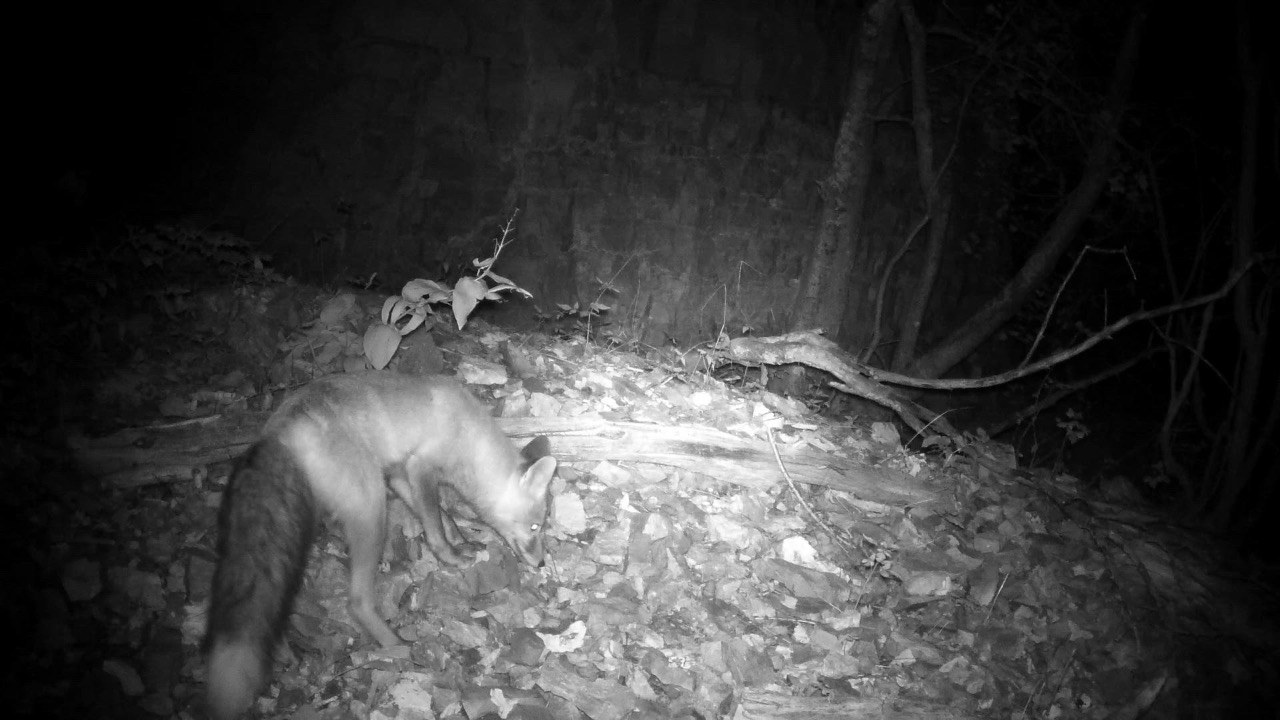
Remote cameras often catch rare species moving under the cover of night, overturning assumptions about their active hours. Animals thought to be strictly diurnal sometimes operate well into the dark, while supposed night specialists occasionally appear in daylight.
For instance, certain mid-sized carnivores previously thought to avoid humans entirely have been observed navigating near edges of human habitation under low light. Understanding these nocturnal patterns gives researchers a clearer picture of hunting behavior, territory usage, and human-wildlife conflict potential. By accurately mapping active hours, conservationists can plan interventions, reduce disturbances, and better protect habitats for species whose daily routines were previously a mystery.
Hidden Social Structures
Remote cameras reveal social behaviors that are otherwise invisible. Solitary animals, once assumed to be loners, are sometimes seen interacting with family groups or forming temporary associations.
These interactions can include cooperative hunting, scent marking, or shared feeding areas. For rare species, knowing when and how they gather is critical for estimating populations and assessing reproductive success. Remote footage allows you to see subtle hierarchies and territorial disputes that might otherwise be inferred incorrectly. This real-world observation is reshaping assumptions about species behavior, showing that social dynamics are often more nuanced than field surveys alone could capture.
Seasonal Range Shifts
Camera studies track how rare species move across landscapes in response to seasonal changes. Many animals migrate, disperse, or adjust territory size in ways that were previously undocumented.
By monitoring remote cameras over months or years, researchers can observe patterns tied to food availability, breeding seasons, or weather extremes. These shifts highlight critical habitats that may otherwise go unprotected. Understanding seasonal movements is vital for designing wildlife corridors, identifying refuges, and predicting how climate change might alter species distribution. What was once speculation now comes with clear photographic evidence.
Rare Predators in Unexpected Places
Remote cameras have captured apex or near-apex predators in areas where they weren’t previously known. These discoveries challenge assumptions about ecosystem balance and human impact.
Small populations of elusive predators have appeared in fragmented forests or suburban edges, revealing resilience in unexpected habitats. Knowing that these animals persist in nontraditional environments helps researchers revise management plans, anticipate conflicts, and understand predator-prey interactions better. Remote footage also shows interactions with other species, illustrating how predators adapt their hunting strategies outside of pristine wilderness, which is essential information for conservation planning.
Unseen Reproductive Behavior
Remote cameras sometimes record mating, nesting, or rearing behaviors that had gone unnoticed. These glimpses provide critical insight into reproduction and juvenile survival rates.
For species with low visibility or limited numbers, understanding reproductive timing, pair bonding, and parental care is essential. Cameras capture cubs, fledglings, or young foraging independently, which informs population modeling. This information can guide conservation strategies, such as protecting breeding areas during sensitive periods. Observing these behaviors in situ helps replace assumptions with documented life-history traits, giving researchers actionable knowledge to sustain populations.
Cross-Species Interactions
Unexpected interactions between species are frequently documented, showing relationships that were only speculative. Predators and prey sometimes tolerate each other temporarily, and competitive encounters are more complex than expected.
Cameras reveal how rare species navigate shared habitats, avoid predation, and exploit food resources in tandem. These interactions can indicate ecosystem health and reveal keystone relationships that might otherwise go unnoticed. Understanding cross-species behavior allows you to better predict the impacts of habitat loss, hunting pressure, or invasive species. In some cases, these insights have prompted adjustments to management practices to maintain balance in fragile ecosystems.
Survival Strategies in Disturbed Habitats
Remote cameras frequently capture rare species adapting to human-altered environments. Animals can exhibit behaviors that allow them to persist in partially degraded forests, agricultural lands, or suburban zones.
These behaviors include altered activity patterns, temporary retreats, and careful use of cover. Such observations are invaluable for conservationists trying to maintain populations outside of protected reserves. The footage also challenges assumptions that rare species require pristine habitats, highlighting their resilience and flexibility. By documenting how animals cope with change, remote cameras provide concrete evidence for designing adaptive management strategies that accommodate both wildlife needs and human land use.

Asher was raised in the woods and on the water, and it shows. He’s logged more hours behind a rifle and under a heavy pack than most men twice his age.