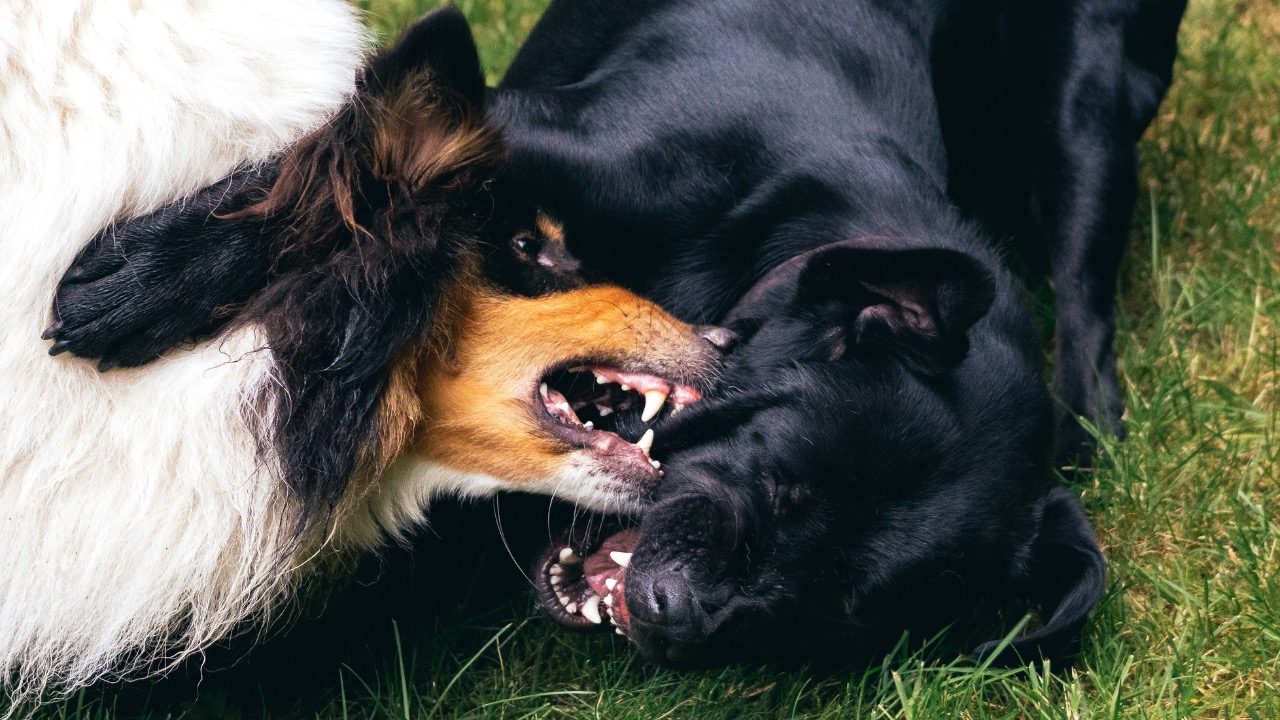
What makes certain dog breeds more territorial than others
You don’t have to spend long around dogs to see it—some guard their ground hard, while others couldn’t care less who walks through the gate. That difference isn’t random. It’s tied to breeding, environment, and how a dog is raised and handled over time.
If you’ve hunted with dogs or kept them around a home place, you’ve probably seen both ends of it. A territorial dog can be a strong asset or a real problem depending on how it’s shaped. Understanding what drives that behavior helps you read a dog better—and keep things under control when it matters.
Genetics Set the Foundation Early
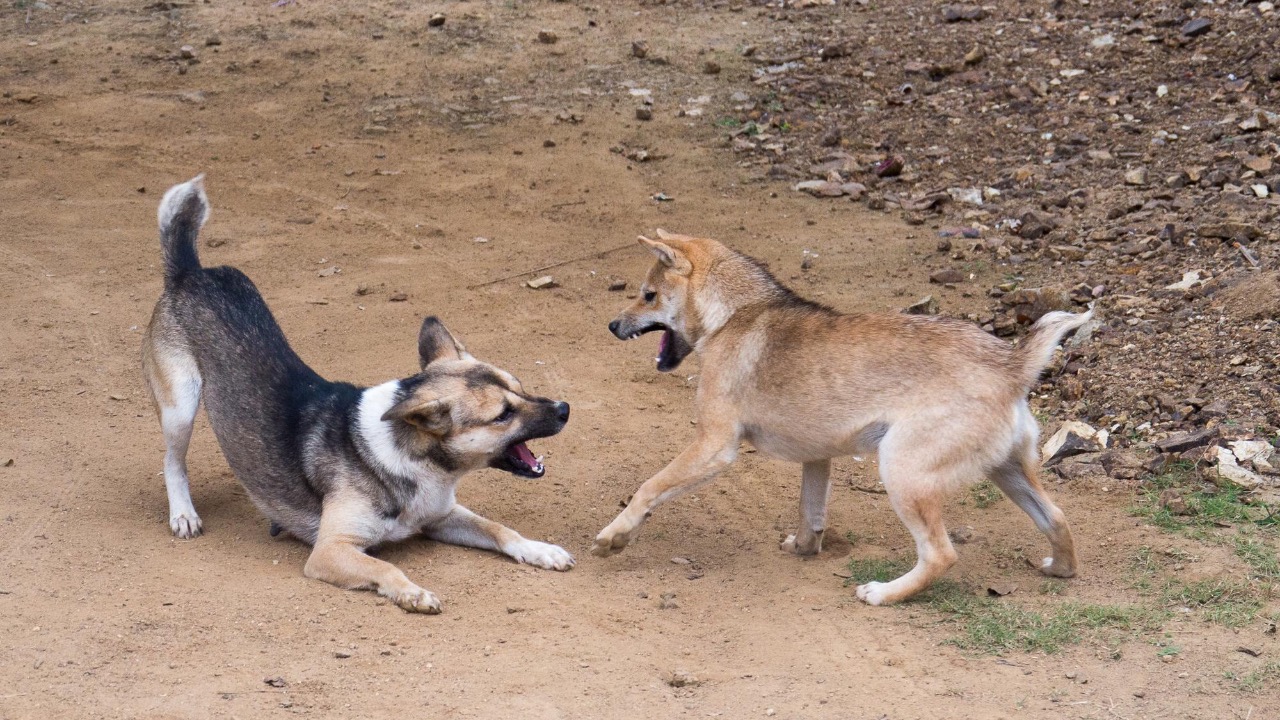
Some dogs come wired to guard space before they ever learn a command. Breeds developed for protection or livestock work carry instincts that lean toward watching, warning, and holding ground.
That doesn’t mean every dog from those lines will act the same, but the baseline is there. You’ll notice it in how they position themselves, how quickly they react to strangers, and how they track movement around their area. You’re working with built-in tendencies, not starting from scratch, and that matters when you’re shaping behavior over time.
Early Socialization Changes the Outcome
What a dog sees in its first months carries forward. A pup exposed to people, other animals, and different environments tends to sort out what’s normal and what’s a threat.
Without that exposure, you often get a sharper edge. Dogs that grow up isolated are more likely to treat everything unfamiliar as something to challenge. That’s where territorial behavior can turn into overreaction. You can’t erase instinct, but you can guide how it shows up. Early, steady exposure makes a noticeable difference in how a dog handles its space.
Training Determines Control
A territorial dog without structure will make its own decisions. Sometimes that works, but more often it leads to problems—especially around guests, neighbors, or other dogs.
Consistent training puts you back in charge. When a dog understands boundaries and commands, that guarding instinct becomes something you can direct instead of manage after the fact. It’s not about shutting the behavior off completely. It’s about deciding when it’s appropriate and when it’s not, and making sure the dog follows your lead every time.
Environment Shapes Behavior Over Time
Where a dog lives matters. A dog kept on a large property with clear boundaries tends to develop a stronger sense of territory than one living in a busy neighborhood with constant foot traffic.
You’ll see it in how they patrol, where they rest, and what they react to. Dogs adapt to their surroundings. If they’re constantly exposed to movement, they may become more tolerant. If they’re in a quiet setting, any change stands out more. Over time, that environment reinforces how tightly they hold their ground.
Hormones and Maturity Play a Role
As dogs mature, their behavior shifts. Hormonal changes, especially in intact males, can increase territorial responses. You’ll often see more marking, more posturing, and quicker reactions to perceived intrusions.
That doesn’t mean neutering or age alone will fix or cause territorial behavior, but it’s part of the picture. A young dog might ignore things that an older dog won’t tolerate. As they settle into adulthood, many dogs become more aware of their space and more willing to defend it if they think it’s necessary.
Past Experiences Leave a Mark
A dog that’s had a bad encounter will remember it. Whether it’s another animal, a person, or repeated disturbances, those experiences can sharpen territorial instincts.
You might notice a dog reacting strongly to a specific trigger—something that ties back to a past event. That’s where behavior becomes more than instinct. It turns into learned response. Good experiences can build confidence and calm, while negative ones can push a dog toward guarding more aggressively than it otherwise would.
Owner Behavior Sets the Tone
Dogs read you better than you think. If you’re tense, reactive, or inconsistent, they pick up on it and often mirror it. That can make territorial behavior stronger or more unpredictable.
Clear, steady handling goes a long way. When you stay consistent, your dog knows what’s expected and when to stand down. If you encourage guarding in some situations but correct it in others without a clear pattern, the dog fills in the gaps on its own. That’s when problems start. Your behavior shapes theirs more than most people realize.
Breed Purpose Still Matters Today
Even in a modern setting, dogs carry the purpose they were bred for. Livestock guardians, protection breeds, and some working dogs were selected for awareness and control of space.
You’ll see it in how they watch a property or respond to movement along a boundary. That doesn’t make them bad dogs—it means they’re doing what they were built to do. The key is recognizing that purpose and working with it, not against it. When you understand why a dog acts territorial, you’re in a better position to manage it the right way.
A territorial dog isn’t a mystery once you break it down. It’s a mix of instinct, experience, and handling. When you understand those pieces, you’re not guessing anymore—you’re working with the dog in front of you, not fighting against it.

Asher was raised in the woods and on the water, and it shows. He’s logged more hours behind a rifle and under a heavy pack than most men twice his age.