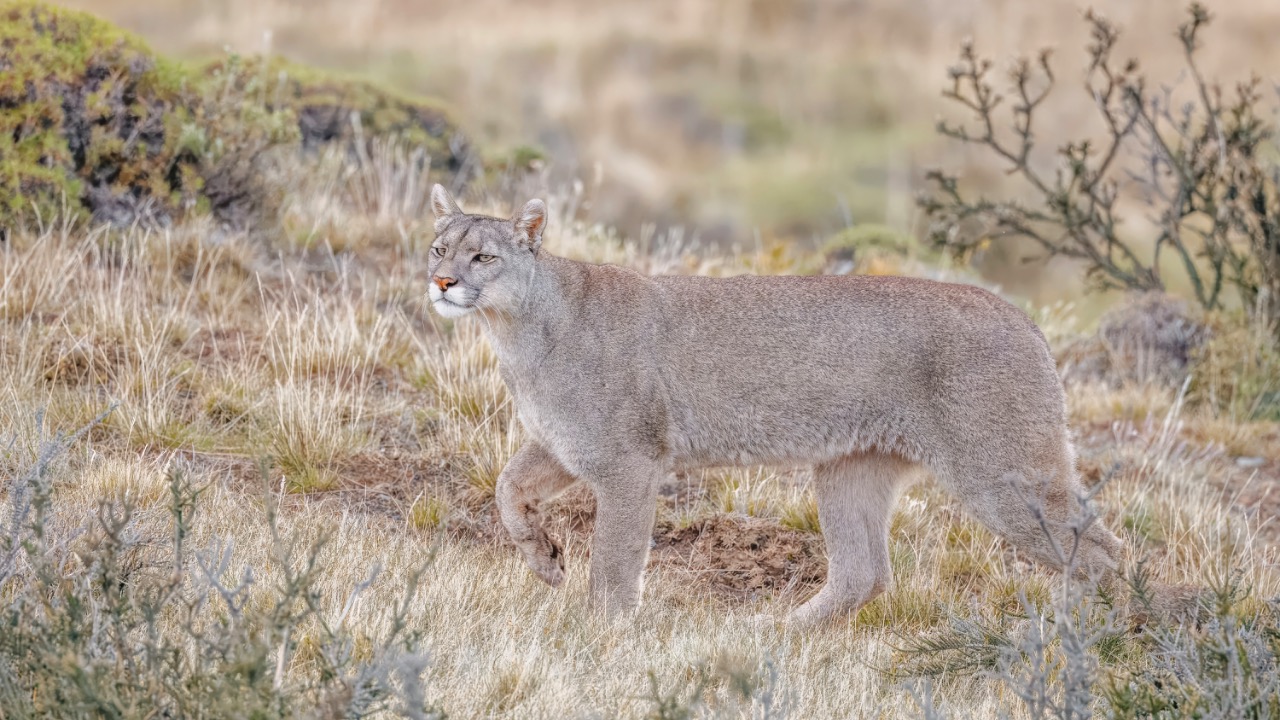
The real reason mountain lion sightings are on the rise
A trail camera snaps a photo at dusk. A large cat with a long tail slips through the frame. Another report comes in — a mountain lion spotted near a suburban backyard or crossing a rural road at night.
Stories like these are popping up more often across the country. From the Upper Peninsula of Michigan to California suburbs and Colorado foothills, confirmed mountain lion (cougar) sightings have climbed in recent years. The question everyone asks: Are there suddenly more lions out there, or is something else at play?
The real reason isn’t one simple answer. It’s a mix of better detection, changing landscapes, and the cats’ own adaptability.
Better technology means more eyes in the woods
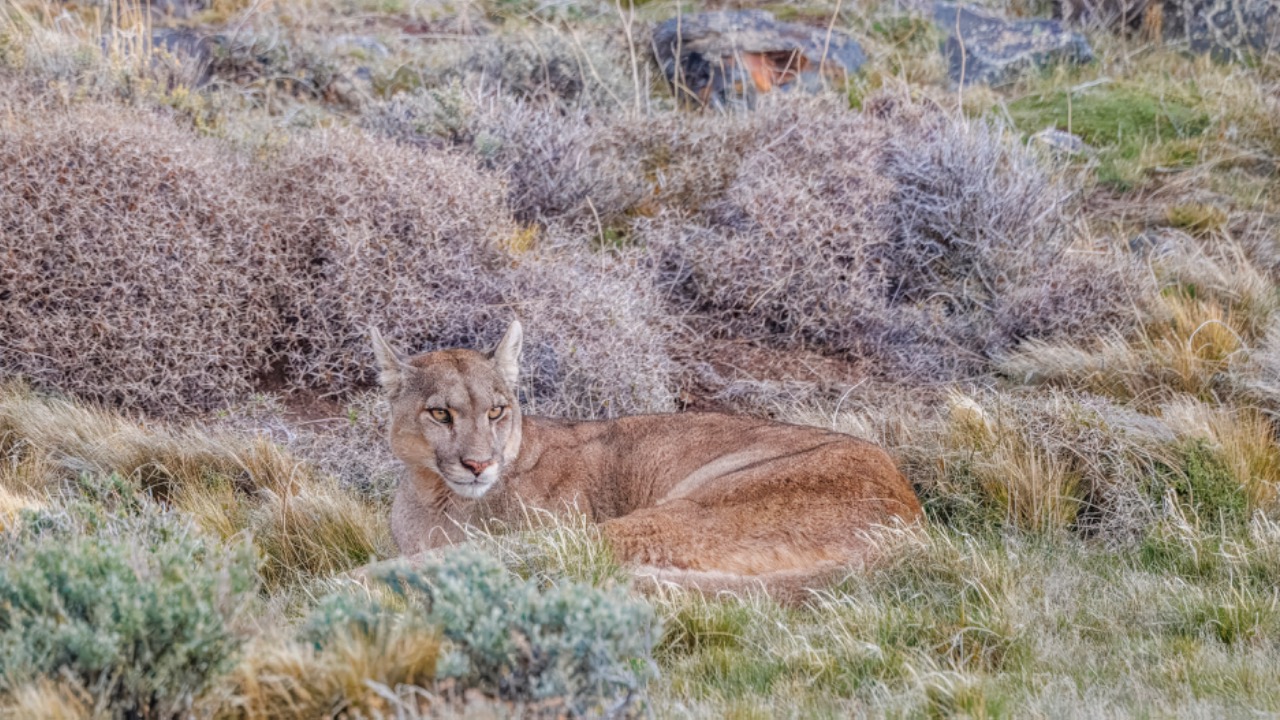
A big driver behind the spike in reported sightings is trail cameras.
What used to be an expensive luxury is now affordable and common. Hunters, homeowners, and wildlife enthusiasts have deployed thousands more cameras in recent years. Michigan’s Department of Natural Resources noted a record number of confirmed cougar detections in 2025 — many of them from private trail cams capturing the same animals multiple times or picking up kittens. State cameras still being reviewed are expected to push the total even higher.
These tools don’t create more lions. They simply make it far easier to document animals that have always moved quietly through the landscape. A single dispersing male can trigger multiple “sightings” across different properties.
Human expansion pushing closer encounters
At the same time, people are moving deeper into wildland-urban interfaces. Subdivisions, trails, and recreation areas are creeping into traditional mountain lion habitat.
In California, Colorado, and other Western states, growing human populations mean more hikers, mountain bikers, and homeowners sharing space with lions. Mountain lions follow their main prey — deer — and deer often thrive in suburban edges with irrigated yards, gardens, and landscaping. The cats naturally trail that food source, bringing them closer to human activity.
Habitat fragmentation from roads and development plays a role too. Young males, especially, disperse long distances looking for new territory. Highways and sprawl can funnel them into unexpected places, increasing the chance someone spots them.
Population rebounds and natural dispersal
Mountain lion numbers in core Western populations have stabilized or grown in many areas thanks to regulated hunting and better management after decades of heavy persecution. In places like California, where hunting has been restricted for years, populations recovered from low points.
Dispersing lions are also pushing the edges of their range. Confirmed sightings and even breeding evidence have appeared in states like Michigan’s Upper Peninsula, where cats are slowly reappearing from western source populations. Similar patterns show up in the Midwest and Great Plains as young males travel hundreds of miles.
Prey populations, habitat recovery in some rural areas, and fewer bounties have all helped lions expand where conditions allow.
Why it feels more dramatic now
Sightings grab attention because mountain lions are elusive apex predators. Most people never see one in a lifetime, so each confirmed photo or track set makes headlines. Social media spreads the images instantly, amplifying the sense that lions are suddenly everywhere.
In reality, the rise reflects a combination of factors:
- More trail cameras and public reporting tools
- Humans building and recreating deeper into lion country
- Lions following deer into greener suburban edges
- Natural dispersal and modest population recovery in core areas
Attacks on humans remain extremely rare. Most encounters end with the lion slipping away unnoticed.
Living with lions in shared spaces
As sightings increase, wildlife agencies stress practical steps: secure trash and pet food, supervise children and pets at dawn and dusk, and make noise on trails. Never approach or run from a lion.
The real story isn’t an explosion of dangerous predators. It’s a reminder that wild spaces and human development are overlapping more than ever. Mountain lions are doing what they’ve always done — hunting, dispersing, and surviving in tough landscapes.
The difference today is that we have more ways to see them doing it. Understanding the real reasons behind the rise helps separate fear from facts and lets hunters, hikers, and homeowners share the land more safely.
The lions were here long before the cameras and subdivisions. Now we’re just noticing them more clearly.

Leo’s been tracking game and tuning gear since he could stand upright. He’s sharp, driven, and knows how to keep things running when conditions turn.