Puerto Vallarta Faces Violence After Army Operation Targets Major Cartel Figure
Puerto Vallarta’s reputation as one of Mexico’s most reliable beach escapes has been jolted by a sudden wave of cartel violence after a federal army operation targeted one of the country’s most powerful drug lords. The killing of Nemesio “El Mencho” Oseguera Cervantes during a raid in Jalisco has turned the resort city into a frontline in Mexico’s long war with organized crime, with burning vehicles, roadblocks and shuttered schools replacing the usual tourist bustle.
The turmoil has rippled far beyond the Pacific coast, triggering prison riots, flight cancellations, cruise ship diversions and a fresh round of travel warnings from foreign governments. For residents and visitors caught in the middle, the question is no longer whether the state can hit cartel leadership, but whether it can protect the streets and businesses that now bear the cost.
From resort postcard to conflict zone overnight
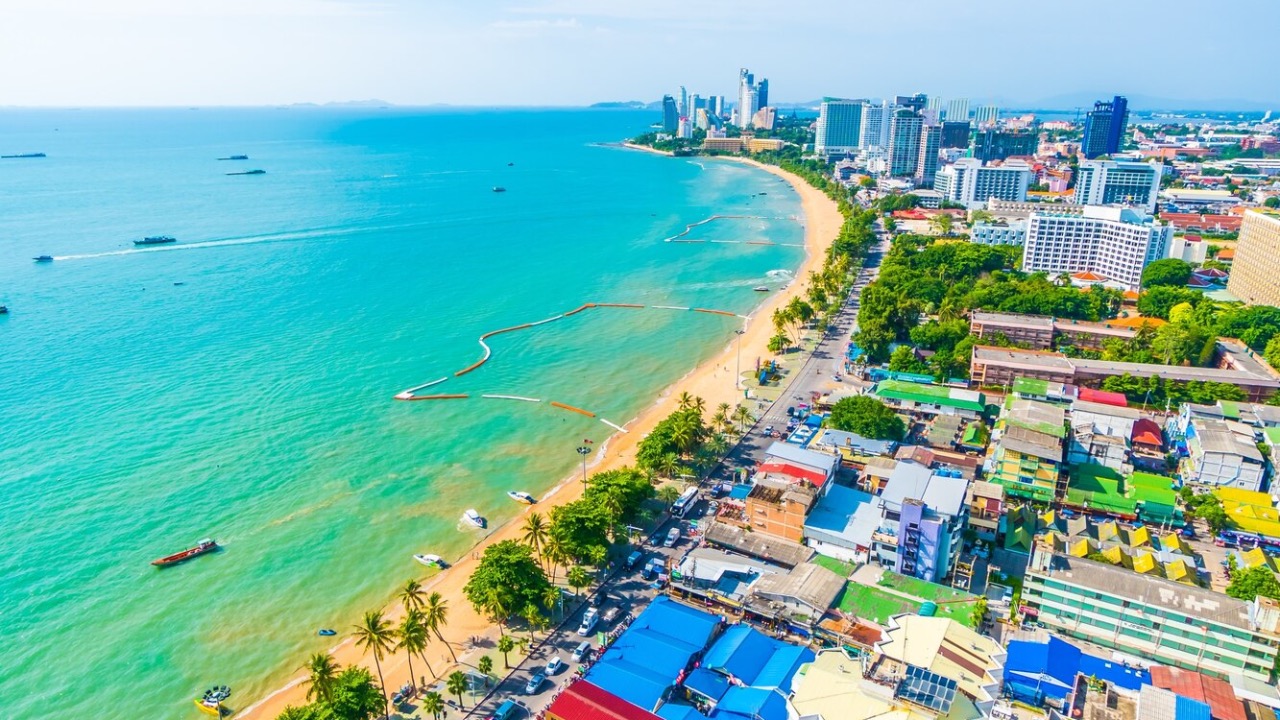
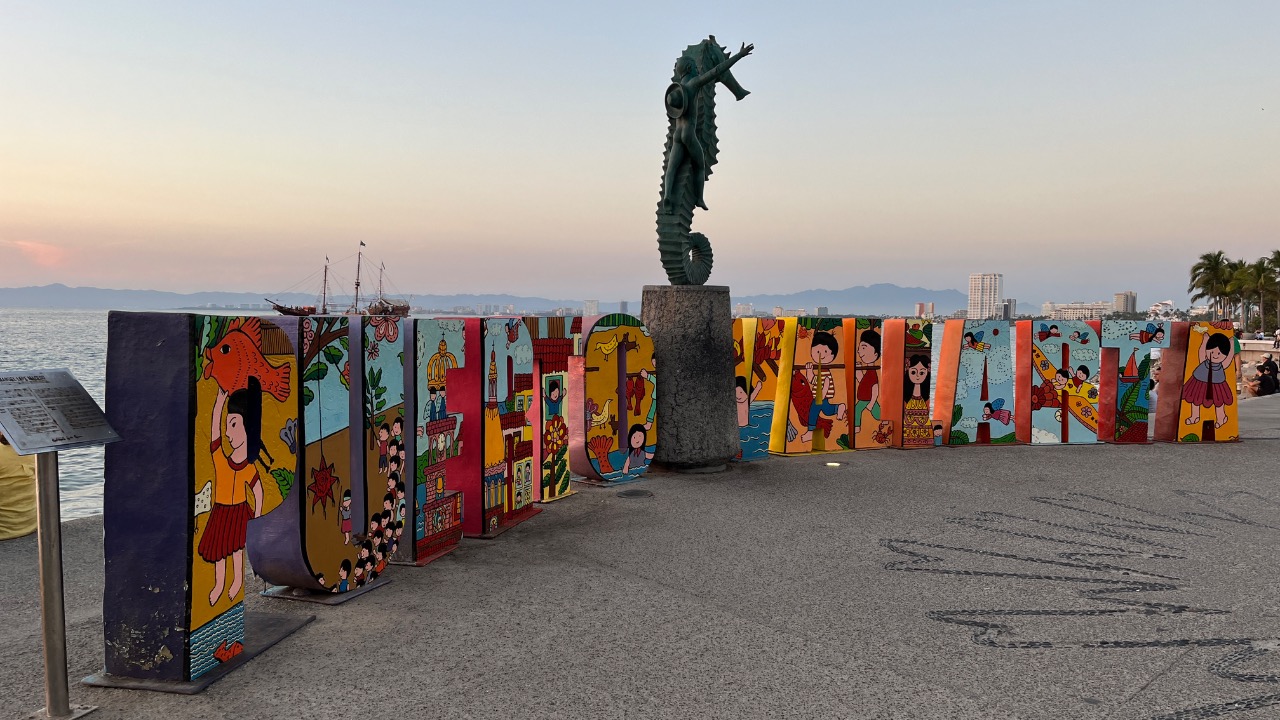
For years, the city of Puerto Vallarta has sold an image of calm: cruise ships in the bay, retirees on the malecón and Californians arriving on quick weekend flights. That image cracked when gunmen lit cars on fire, blocked roads and filled the sky with smoke, including at a Costco parking lot where witnesses watched vehicles burn as cartel gunmen moved through nearby streets. Locals who had grown used to a background hum of organized crime suddenly faced what one account described as full-scale cartel violence, with armed men asserting control over key intersections and access routes.
The disruption has been especially jarring for visitors who expected little more than beach traffic. Reports describe Californians “hunkering down” in hotels and rental condos as the sound of gunfire and explosions replaced the usual nightlife, while tourism workers scrambled to get home before blockades hardened. The sudden shift from postcard resort to conflict zone has underscored how quickly a national security operation can redraw the risk map in a place that depends on steady inflows of foreign tourists and seasonal residents, particularly from the United States and Canada, who now weigh whether to stay put or find a way out through disrupted airports and highways.
The army operation that killed El Mencho
The violence in Jalisco did not erupt in a vacuum. It followed a federal military operation that targeted Nemesio Ruben Oseguera Cervantes, better known as El Mencho, the 59-year-old leader of the Jalisco New Generation Cartel. According to detailed reconstructions, the operation began earlier this year when authorities, acting on new intelligence from an associate of one of El Mencho’s romantic partners, tracked his movements in the state of Jalisco and prepared a complex raid that would involve multiple branches of the security forces. The planning reflected years of frustration as the cartel boss evaded capture and built a reputation as one of Mexico’s most elusive and violent figures.
On Sunday, government forces moved in around the mountain area near Tapalpa, where El Mencho was believed to be hiding. The confrontation turned into a shootout that left the cartel leader fatally wounded and led to his body being flown to Mexico City for confirmation, according to accounts that describe how other cartels had quietly supported the operation. The raid, part of what has been described as the 2026 Jalisco operation, reportedly resulted in at least one civilian death alongside heavy casualties among combatants, and immediately set off a chain reaction across the state.
Who El Mencho was and why his death matters
For more than a decade, Nemesio “El Mencho” Oseguera Cervantes stood at the center of Mexico’s drug war as the driving force behind the Jalisco New Generation Cartel. The cartel boss built a criminal enterprise that stretched from synthetic drug labs in western Mexico to trafficking corridors reaching the United States and beyond, while also confronting Mexican security forces with military-grade weapons. As a 59-year-old kingpin, he had become emblematic of a generation of cartel leaders who combined ruthless violence with sophisticated financial and logistical operations, making him a top target for both Mexican and U.S. authorities.
Under El Mencho, the Jalisco New Generation Cartel earned a reputation for attacking police convoys, shooting down helicopters and imposing its will on local communities through a mix of bribery and terror. Analysts have long warned that removing such a central figure can trigger fragmentation and short-term chaos as lieutenants vie for control or rival groups move in. That dynamic is now playing out in real time across Jalisco, with the killing of El Mencho setting off retaliatory attacks, coordinated blockades and a broader show of force meant to demonstrate that the cartel remains capable of paralyzing cities even without its founder at the helm.
How the Jalisco operation spiraled into street chaos
Mexican authorities framed the 2026 Jalisco operation as a major success in their campaign against organized crime, but the immediate aftermath has looked very different on the ground. After the announcement that Nemesio Ruben Oseguera Cervantes had been killed in the federal raid, violence erupted across parts of Jalisco, including Puerto Vallarta, with gunmen torching cars, looting businesses and setting up improvised checkpoints. Reports describe panic at the Guadalajara airport as people sprinted through terminals to escape the unfolding violence, while similar scenes of fear played out on highways and in smaller towns.
The scale of the clashes has been stark. One account notes that at least 25 National Guard officers and 34 suspected gang members died in battles that followed the Sunday raid, figures that illustrate how intense the fighting became once cartel cells mobilized. In Puerto Vallarta and other cities, police and soldiers struggled to respond quickly as reinforcements were sought from outside the region but road conditions, including flaming barricades and hijacked trucks, hindered their arrival. The result was a patchwork of urban combat zones, deserted tourist districts and neighborhoods where residents watched from behind locked doors as convoys of armed men moved past.
Puerto Vallarta’s residents and tourists caught in the crossfire
Inside Puerto Vallarta, the human impact of the cartel’s retaliation has been measured in fear and disrupted lives rather than official casualty counts. Authorities reported no casualties beyond the attackers in some of the worst-hit areas, but that statistic obscures the psychological toll on families sheltering at home and visitors barricaded in hotel rooms. Social media clips from the city showed people shouting and ducking for cover as gunfire echoed near the shoreline, while parents tried to reassure children who could see smoke rising from burning vehicles only a few blocks away.
For foreign visitors, particularly Californians, the experience has been jarring. Travelers who had arrived for weddings, long weekends or retirement scouting trips suddenly found themselves “hunkering down” in resort corridors, waiting for updates from hotel staff and airline apps. Some described watching from balconies as smoke drifted over a Costco parking lot where cars had been set ablaze, a scene that clashed sharply with marketing images of safe, all-inclusive vacations. The uncertainty has been compounded by conflicting rumors about road safety, with some ride-share drivers refusing to operate after dark and local taxi cooperatives organizing convoys to get tourists to the airport when windows of relative calm appeared.
Travel alerts, flight cancellations and cruise ship detours
The unrest in Jalisco has quickly turned into a logistical nightmare for airlines and cruise operators that rely on Puerto Vallarta as a key stop. Airlines canceled flights to Puerto Vallarta after the killing of El Mencho and the subsequent violence, citing security concerns around the airport and the risk that staff or passengers could be caught in roadblocks on the way to terminals. Panic at the Guadalajara airport, where people were seen sprinting through the terminals, added to the sense that air travel in the region could not be treated as routine until the situation stabilized.
On the water, cruise operators began altering Mexico routes amid cartel unrest, with some ships skipping Puerto Vallarta entirely or shortening port calls to avoid overnight stays. Companies notified passengers that itineraries might change on short notice as they monitored reports of burning vehicles and armed patrols along access roads. At the same time, the U.S. State Department released a security alert advising American citizens in several Mexican states, including Jalisco and Tamau, to reconsider travel or shelter in place depending on their location. That warning has been echoed by private travel insurers, which have started flagging parts of western Mexico as higher-risk destinations, a shift that could dampen bookings well beyond the current crisis.
Mexico’s security response: troops, ships and shuttered schools
Facing a wave of retaliatory attacks from cartel cells, Mexican authorities have moved to project strength across affected regions. Reports describe how Mexico remains on high alert following a violent weekend that saw clashes erupt from Puerto Vallarta to Tijuana, with federal forces reinforcing state and local police. In Puerto Vallarta, troops have taken up visible positions at key intersections and along the waterfront, while armored vehicles patrol roads that were recently blocked by burning trucks. The presence of uniformed soldiers has brought some reassurance to residents, even as it underscores how fragile the security situation remains.
The federal government has also deployed the Mexican Navy to the Pacific coast, sending the ship ARM Usumacinta to Puerto Vallarta after cartel violence rattled the city. Images show the vessel anchored offshore as marines move into position on land, part of a broader effort to secure the port and reassure both locals and international cruise operators. Across Mexico, schools have shut and troops are on the streets in several states as authorities try to prevent further retaliatory attacks following the killing of El Mencho. While Mexico’s government hails the operation as a blow against a major drug kingpin, parents weighing whether to send children back to class and business owners considering reopening their doors are focused on a more immediate question: whether the show of force will translate into lasting safety.
Prison breaks, regional ripples and the risk of cartel fragmentation
The shock waves from the Jalisco clashes have not been confined to tourist zones and airports. Authorities in Jalisco confirmed that a prison break unfolded as part of the broader unrest, with convicted criminals on the loose in Mexico after armed men rammed a prison gate during a riot over the cartel killing. The escape of 23 inmates, according to one account, has deepened public anxiety about who is now roaming the streets with guns and whether local police are equipped to track them down while also confronting active cartel cells. Police in Mexican states beyond Jalisco have been placed on alert as the manhunt expands.
Analysts also warn that the removal of a figure like El Mencho could accelerate internal fractures within the Jalisco New Generation Cartel, potentially spawning new groups that fight one another as well as the state. Violence has already swept parts of Mexico after the killing of the drug lord, with attacks reported in towns and cities in 19 other states besides Puerto Vallarta and Jalisco. Some reports indicate that other cartels had tacitly supported the federal operation against El Mencho, a sign that criminal alliances are shifting in ways that may produce new rivalries. For communities across western and northern Mexico, that raises the prospect that the current spike in shootings, blockades and extortion attempts is not a brief outburst but the opening chapter in a longer period of instability.
What comes next for Puerto Vallarta and Jalisco
In the short term, the outlook for Puerto Vallarta hinges on whether security forces can hold the line and restore enough confidence for daily life to resume. Mexico remains on high alert, but there are early signs that unrest in some parts of Jalisco is easing as troops reinforce Puerto Vallarta and patrols become more routine. Local authorities have started to clear debris from roads, reopen some schools and coordinate with hoteliers to manage guest movements, while tourism officials quietly lobby airlines and cruise companies to bring back suspended routes. The city’s economy, heavily dependent on foreign visitors and the jobs they support, cannot withstand a prolonged shutdown without deep social consequences.

Asher was raised in the woods and on the water, and it shows. He’s logged more hours behind a rifle and under a heavy pack than most men twice his age.