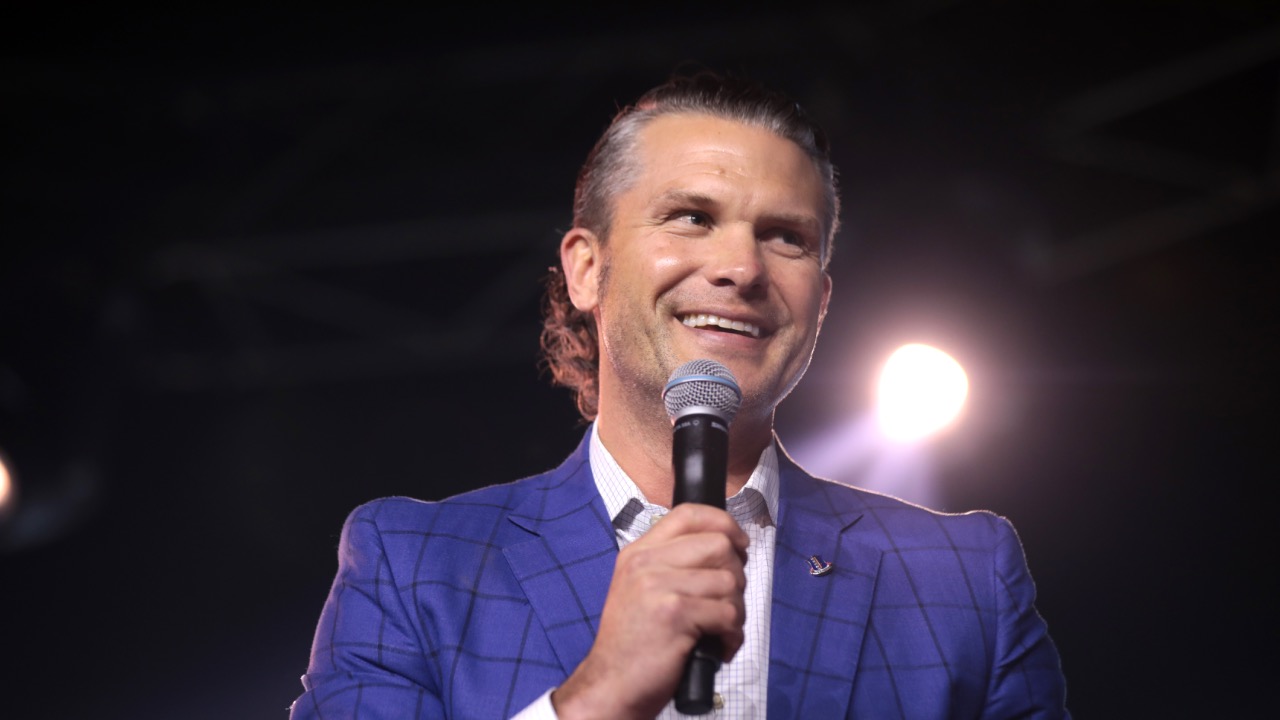
Hegseth issues warning to allies, urging self-reliance in defense
Defense Secretary Pete Hegseth delivered a blunt message to America’s allies this week: the days of the United States carrying the heaviest load alone are coming to an end.
Speaking at the Pentagon amid ongoing operations against Iran and questions over access to the Strait of Hormuz, Hegseth made it clear that Washington expects partners to step up — or start learning to stand on their own.
“You might want to start learning how to fight for yourself”
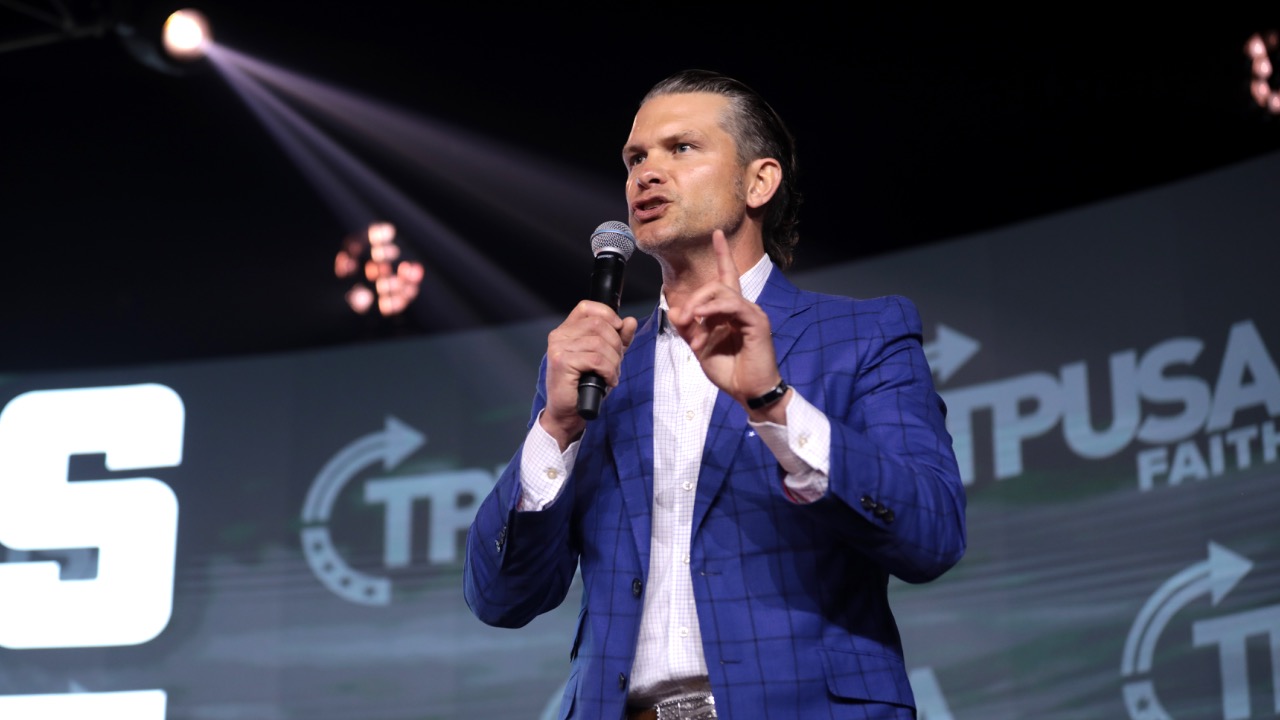
Hegseth’s warning came after European allies showed hesitation in providing support for U.S.-led efforts to reopen the critical shipping lane in the Strait of Hormuz. He pointed out that the United States has done the “lion’s share” of the heavy lifting in the region, even though the threat from Iran affects allies far more directly in terms of energy security and trade routes.
“It’s not just our problem,” Hegseth said. He urged countries around the world — particularly NATO members — to prepare to contribute more, whether through naval presence, basing access, or direct military assistance.
Echoing comments from President Trump, Hegseth added that some allies “might want to start learning how to fight for yourselves.” The remark landed hard, highlighting long-standing frustrations over burden-sharing that have grown sharper during the current conflict.
A lot has been “laid bare”
Hegseth didn’t hold back on the reality inside the alliance. When the U.S. requested additional assistance, overflight rights, or basing support, responses from some partners included “questions or roadblocks or hesitations.”
“You don’t have much of an alliance if you have countries that are not willing to stand with you when you need them,” he stated. The comments came after key European nations reportedly offered limited or conditional help in the Iran operation.
Hegseth stopped short of declaring changes to NATO’s Article 5 collective defense commitment, saying that decision ultimately rests with President Trump. But he made it clear that recent events have revealed weaknesses in the transatlantic partnership.
Focus on the Strait of Hormuz
The immediate flashpoint is the Strait of Hormuz, a vital chokepoint for global oil shipments. With Iran effectively disrupting traffic through the waterway, Hegseth argued that securing it should not fall almost entirely on American shoulders.
“This is an international waterway that we use less than most,” he noted. “The world ought to pay attention and be prepared to stand up.”
The message was direct: allies whose economies and energy supplies depend heavily on the strait need to contribute naval forces and other capabilities to keep it open.
Broader push for self-reliance
Hegseth’s remarks fit into a larger theme the administration has pushed since taking office — encouraging allies to invest seriously in their own defense rather than relying on the U.S. as the default security provider.
For years, U.S. officials have complained that many NATO countries fall short of the 2% GDP defense spending target. The current conflict has turned that complaint into a pointed demand for real action, not just promises.
Critics inside and outside the alliance see the warning as tough love. Supporters call it overdue realism. Either way, the signal from Washington is unmistakable: America will continue to lead when necessary, but it will no longer shoulder the burden alone indefinitely.
What comes next
Whether allies respond with increased military contributions, more robust naval deployments, or simply greater political support remains to be seen. Hegseth’s comments have already sparked fresh debate in European capitals about defense spending and strategic autonomy.
For now, the message is clear. The era of unlimited American security guarantees without reciprocal effort is under review. Allies who want a strong partnership will need to show they are willing to fight for it — not just benefit from it.
In Hegseth’s words, the test of any real alliance is whether partners stand together when it matters most. Recent weeks have shown where some stand. The coming months will reveal whether they are ready to change.

Leo’s been tracking game and tuning gear since he could stand upright. He’s sharp, driven, and knows how to keep things running when conditions turn.