Scientists track unprecedented migration patterns in North American wildlife
You spend enough seasons in the field, you start to notice when things don’t line up. Elk showing up earlier. Ducks skipping stops. Whitetails shifting patterns that used to hold steady for decades. It’s not your imagination.
Biologists across North America are tracking these changes in real time, and the data is stacking up. GPS collars, satellite tags, and long-term studies are painting a picture that’s hard to ignore—migration patterns are changing, sometimes in ways nobody expected. Some of it makes sense when you look at weather and pressure. Some of it doesn’t. Here’s where those shifts are showing up and what they mean when you’re out there trying to stay one step ahead.
Elk Are Shortening or Skipping Traditional Migrations
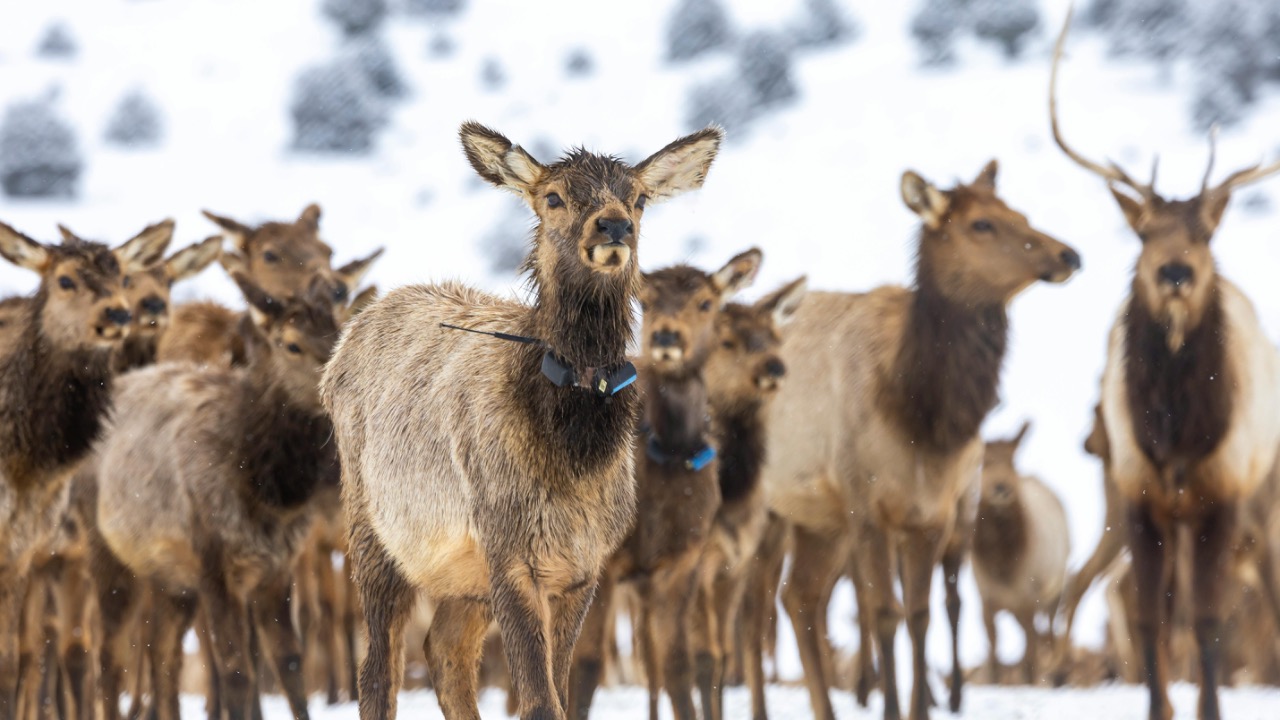
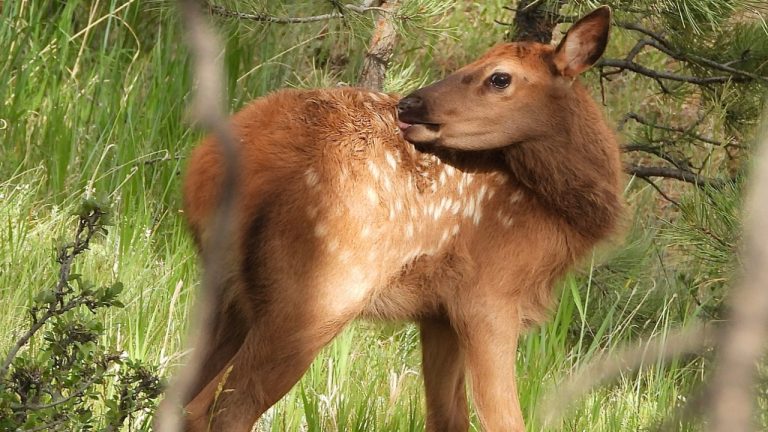
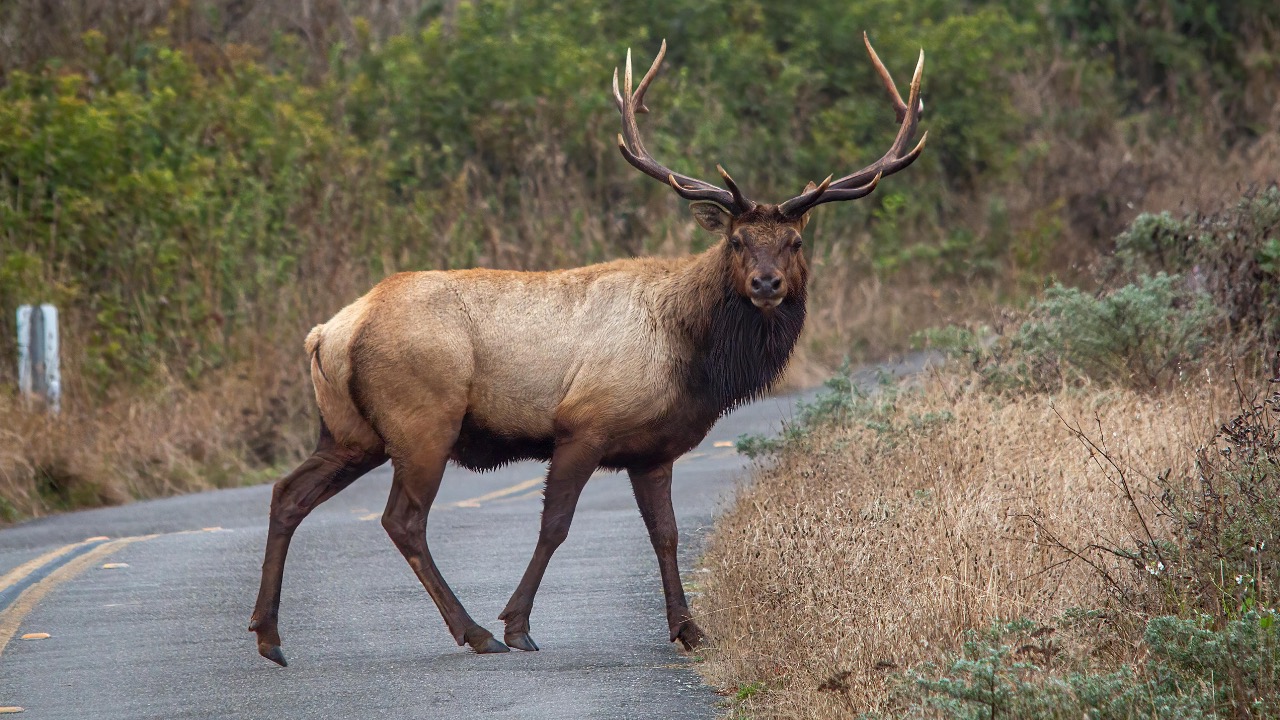
In parts of the Rockies, elk herds that once moved long distances between summer and winter range are cutting those routes short. Some aren’t migrating at all anymore.
Milder winters and steady food sources are a big part of it. When animals don’t need to move to survive, they often won’t. Development also plays a role, breaking up corridors that used to guide those movements. For you, that means old migration routes aren’t always reliable. Places that used to light up during certain weeks can go quiet, while resident herds settle into smaller, year-round ranges.
Mule Deer Are Changing Timing—and Paying for It
Mule deer migrations are still happening, but the timing is getting off. Studies show herds hitting green-up too early or too late, missing peak nutrition windows.
That mismatch matters. Does need that high-quality forage to raise fawns, and when timing slips, survival rates can take a hit. Snowpack changes and early springs are driving a lot of it. On the ground, you’ll see deer using familiar routes, but not when you expect them. Seasons that used to line up clean with movement are getting harder to predict.
Waterfowl Are Wintering Farther North
If you hunt ducks or geese, you’ve already felt this one. Birds that used to push deep into the southern states are stopping short.
Warmer winters mean open water sticks around longer up north. Combine that with abundant food in agricultural areas, and there’s less reason to keep flying. Large concentrations of birds are now holding in places that used to be staging areas. Down south, that can mean fewer birds and shorter peaks. Up north, seasons are seeing more consistent numbers but tougher hunting conditions with educated flocks.
Pronghorn Are Detouring Around Development
Pronghorn still cover serious ground, but their routes are getting bent around roads, fences, and energy development. What used to be straight-line migrations now look more like detours.
Those changes cost energy and time. Even small barriers can push animals off traditional paths, and once a route shifts, it can stay that way for generations. For hunters, that means glassing spots tied to old movement patterns might not produce like they used to. You’ve got to pay attention to where animals are actually traveling now, not where they did ten years ago.
Caribou Herds Are Showing Unpredictable Swings
In northern regions, caribou migrations have always been big and wide-ranging, but recent tracking shows more variability in both route and timing.
Weather extremes, insect pressure, and habitat changes all factor in. Some herds are arriving on calving grounds at different times than expected, which can affect calf survival. These aren’t small adjustments—they’re noticeable shifts across large landscapes. If you’ve followed these herds over time, you’re seeing less consistency, which makes planning around them a tougher proposition.
Whitetails Are Expanding Into New Territory
Whitetail deer aren’t classic long-distance migrators in most areas, but their range is expanding, especially northward and into higher elevations.
Warmer temperatures and changing habitat conditions are opening ground that used to be too harsh. That expansion changes local movement patterns as new populations establish themselves. You’ll find deer in places that didn’t hold them years ago, and their seasonal movements won’t match what you’re used to in traditional whitetail country. It’s a slow shift, but it’s real.
Predators Are Following the Changes
Where prey goes, predators follow. Wolves, mountain lions, and bears are adjusting their movements alongside shifting migration patterns.
That can put pressure on herds already dealing with environmental changes. It also changes how animals behave during migration—more caution, different travel times, and altered routes. For you, it adds another layer to read in the field. Movement isn’t only about food and weather anymore; pressure from predators plays into it more than you might think.
Technology Is Revealing What We Missed Before
A big reason you’re hearing more about these changes is better tracking. GPS collars and satellite data are giving biologists a detailed look at movements that used to be guesswork.
They’re seeing exact routes, timing down to the day, and how animals respond to obstacles. That level of detail is showing patterns—and disruptions—that weren’t visible before. It doesn’t mean everything is new, but it does mean we’re finally seeing the full picture. For hunters, it reinforces something you already know: pay attention to what’s happening now, not what used to happen.
The land hasn’t stopped moving, and neither have the animals. What’s changed is the rhythm. If you’re willing to adjust—watch closer, scout harder, and let go of old assumptions—you can still stay in the game.

Asher was raised in the woods and on the water, and it shows. He’s logged more hours behind a rifle and under a heavy pack than most men twice his age.