Hunter Says Another Hunter Kept Following Him All Day — and Wouldn’t Back Off
He glassed a nice buck at first light and started planning his stalk. Then he noticed something strange — another hunter was moving in the same direction, staying just far enough back to stay out of sight but close enough to keep up.
By midday it was clear: the guy wasn’t just hunting the same area. He was deliberately following him.
A full day of being shadowed
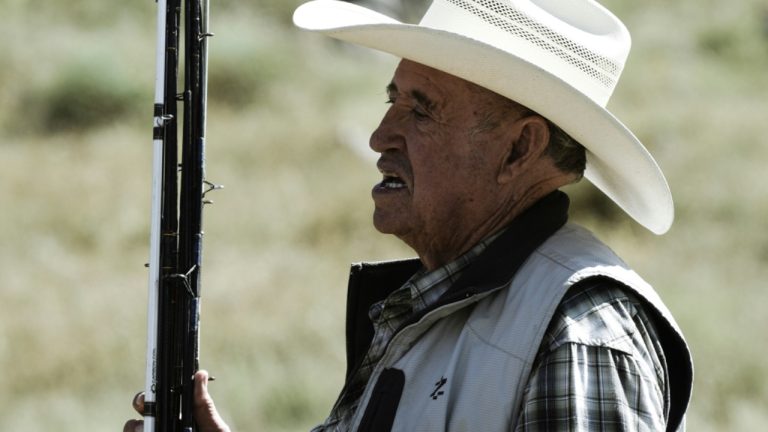
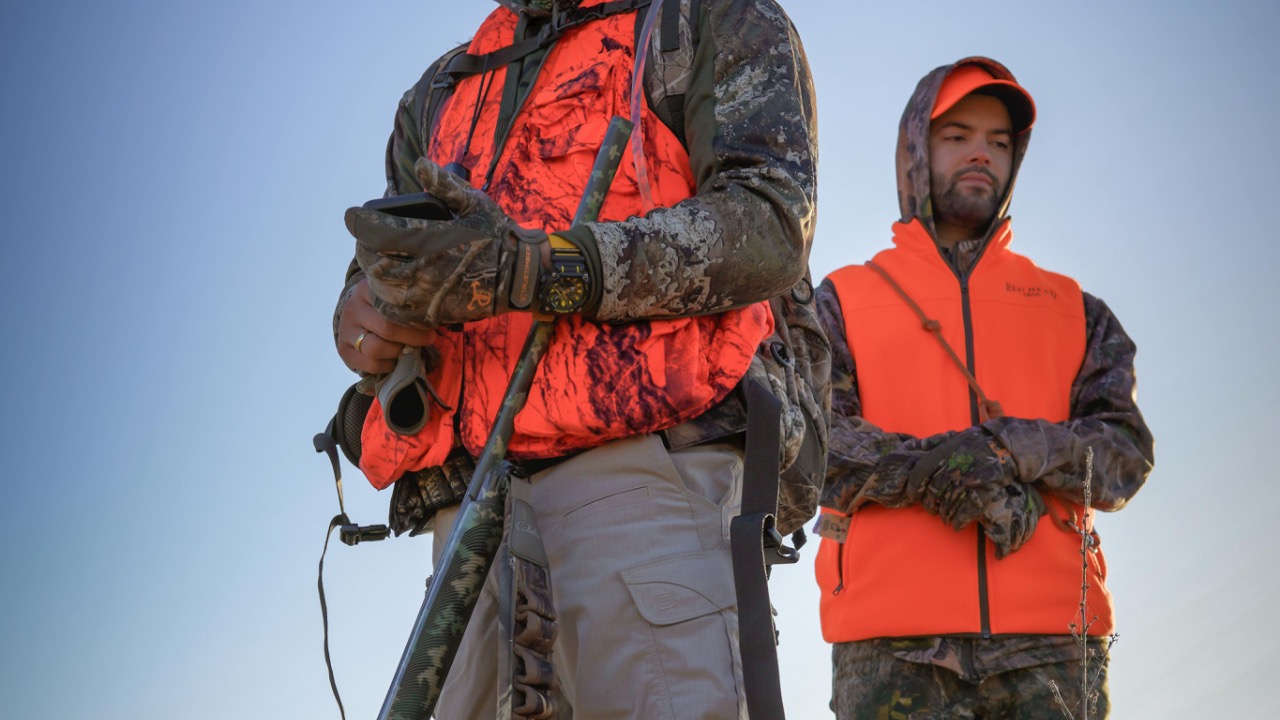
The hunter, who asked to remain anonymous, said the situation started on public land in a popular Western state. After spotting game and making a move, he kept noticing the same orange vest and pack trailing him across ridges and drainages.
“I’d sit down and glass for 30 minutes. He’d sit down behind me. I’d move to another basin, and within 20 minutes he was there again,” the hunter said. “It wasn’t a coincidence. He was copying every move I made.”
Attempts to create distance failed. The follower kept closing the gap. By late afternoon, the first hunter was fed up and decided to confront him.
“I told him straight up — ‘You’ve been on me all day. Back off and hunt your own area.’” According to the hunter, the man claimed he was “just hunting the same ridge” and refused to change direction.
Why this is becoming more common
Public land hunting pressure has skyrocketed in many states. With more hunters in the field and fewer quality spots, some people have resorted to piggybacking off others who clearly know the terrain or have located animals.
Experienced hunters call it “running another man’s line” — and it’s considered one of the worst breaches of hunting etiquette. It not only ruins the experience for the hunter doing the work, but it creates dangerous situations when two or more people are stalking the same animal without knowing the other’s location.
In thick cover or low-light conditions, this kind of behavior can easily lead to accidental shootings.
What the law says
On public land, you generally can’t stop someone from hunting the same general area. However, most states have laws against harassment and reckless endangerment. Deliberately crowding another hunter, interfering with their hunt, or creating unsafe conditions can cross the line into illegal territory.
Some states are starting to crack down harder on this kind of pressure, especially during archery and rifle seasons when tensions run high.
How to handle it in the field
Veteran hunters recommend these steps if you’re being followed:
- Make your presence obvious early — wave or call out to acknowledge them
- Change direction dramatically and see if they follow
- Confront them calmly but firmly
- If the behavior continues and feels threatening, document times, locations, and description, then contact game wardens
- Consider hunting deeper, earlier, or in tougher terrain most people won’t follow
Most importantly — never let it escalate into a physical confrontation. It’s not worth it.
Respect still matters
Hunting public land already requires sharing space. When one hunter does the hard work of scouting and patterning animals, the decent thing is to hunt your own area and let them have their spot.
The hunter in this case eventually hiked out early, frustrated and empty-handed. The follower stayed in the area.
“This isn’t why I hunt,” he said. “I go to get away from people, not spend all day trying to lose one.”
As hunting pressure continues to grow, stories like this are becoming more common. The solution isn’t more rules — it’s more respect. There’s plenty of land out there, but it only stays good when hunters treat each other right.
Have you ever had another hunter follow you or crowd your spot? How did you handle it?

Leo’s been tracking game and tuning gear since he could stand upright. He’s sharp, driven, and knows how to keep things running when conditions turn.