Landowner Says Hunters Showed Up Without Permission — and Claimed They’d “Always Hunted There”
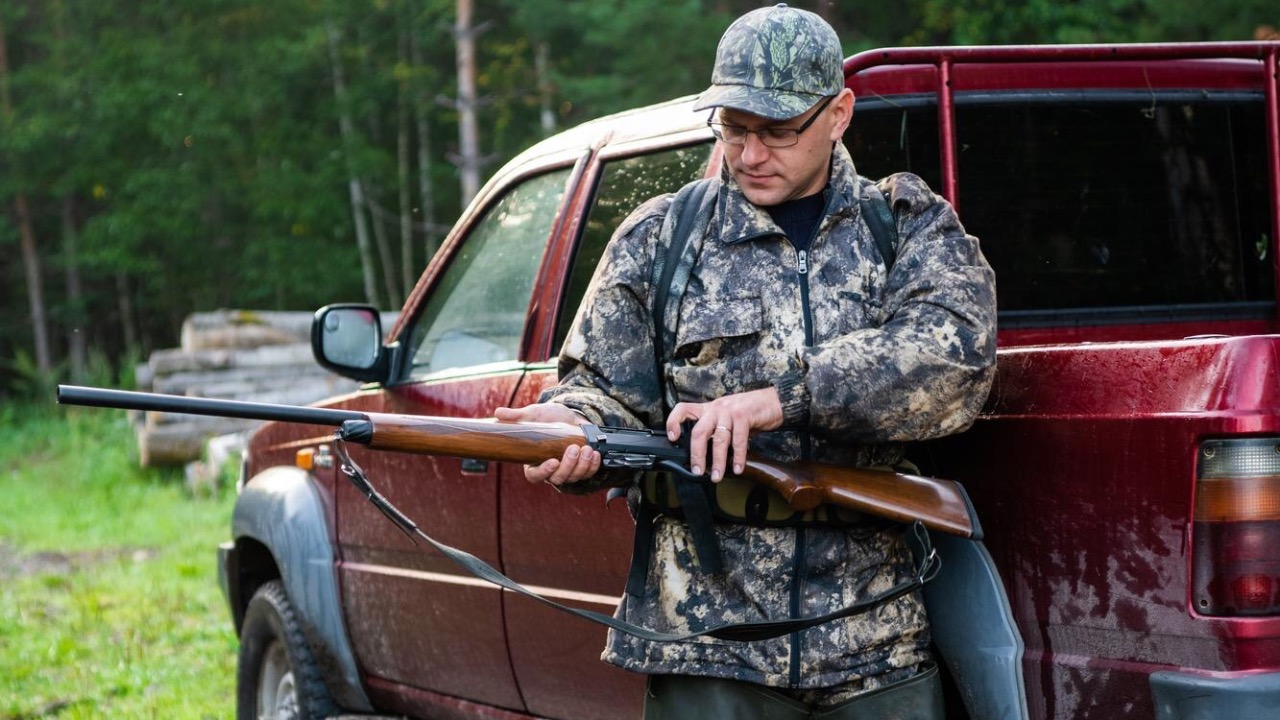
A landowner stepped outside early one morning to find three hunters already on his property, rifles in hand, walking toward his back pasture. When he confronted them, their response was one he’s heard before: “We’ve always hunted here.”
This time, the landowner wasn’t letting it slide.
The unwanted guests
The hunters had parked along the road and crossed onto the private land without asking. When questioned, they acted surprised and even annoyed that the owner was there. One of them repeated that they had hunted the property “for years” and assumed it was fine.
The landowner made it clear: no permission had ever been given. He demanded they leave immediately. The group eventually packed up and left, but not before complaining that the landowner was “being difficult.”
Incidents like this are becoming more common as public land gets crowded and some hunters look for easier options on private property.
The dangerous myth of “we’ve always hunted here”
The phrase “we’ve always hunted here” is one of the most common excuses landowners hear. Sometimes it’s true — previous owners may have allowed access. But more often, it’s wishful thinking or outright entitlement.
Permission does not transfer automatically when land changes hands. A new landowner has every right to control access to their own property. Hunting without permission is trespassing, plain and simple, and in many states it can quickly become a criminal charge if the hunter refuses to leave.
Landowner’s perspective
The owner in this case said he doesn’t mind letting responsible hunters on his land — but only if they ask first. He wants to know who’s on his property, when they’re hunting, and that they follow basic safety and ethical rules.
“I’m happy to share if you show some respect,” he said. “But showing up like you own the place? That’s not how this works.”
He now posts clear “No Trespassing” and “No Hunting” signs every season and keeps records of anyone he grants permission to.
Why this matters for hunters
Experienced hunters know the golden rule: Ask permission, and ask every single year. Landowners change. Attitudes change. What was okay last season might not be this season.
Knocking on the door, introducing yourself, offering to help with chores or game meat, and respecting boundaries goes a long way. Many landowners are more willing to say yes when hunters treat their land like a privilege, not a right.
How landowners can protect themselves
- Post your property clearly with updated signs
- Document every permission granted (date, names, contact info)
- Install trail cameras near access points
- Don’t hesitate to call game wardens or sheriff when trespassers refuse to leave
- Consider a simple written permission slip system
The bigger picture
Rural America still runs on goodwill between landowners and hunters in many places. But that goodwill disappears fast when hunters assume access instead of earning it. Every trespassing incident makes landowners more likely to lock the gate completely — hurting ethical hunters in the process.
Private land is not public land. No matter how many years someone claims they’ve hunted there, the current owner decides who gets to carry a gun across it.
Respect goes both ways. Landowners who allow hunting deserve courtesy. Hunters who ask politely often gain access that lasts for years.
In this case, the hunters left empty-handed. The landowner kept something more valuable — control of his own land.
Have you ever dealt with uninvited hunters or had to turn people away? How do you handle permission on your property?

Leo’s been tracking game and tuning gear since he could stand upright. He’s sharp, driven, and knows how to keep things running when conditions turn.