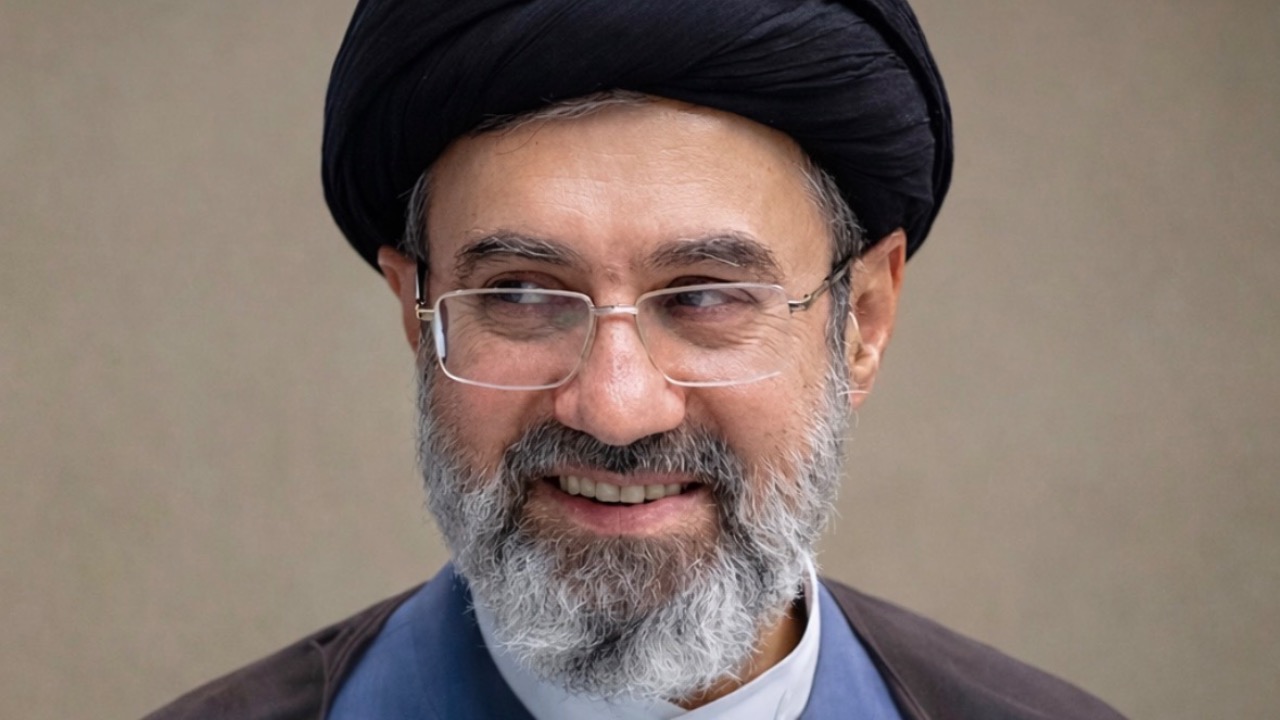
Iran Reveals Details of Its Plan to End the War
The developments unfolding in Tehran right now add a new layer to the tense standoff that has gripped the Middle East since early this year. After a two-week ceasefire between Iran, the United States, and Israel took effect, Iranian officials released the full details of a 10-point proposal meant to end the fighting once and for all. You have seen how the conflict escalated quickly over nuclear issues, missile programs, and control of key shipping routes. This plan shifts the conversation from temporary halts to a structured path forward, with Tehran spelling out exactly what it expects in return for peace.
As someone who has tracked these regional crises for years, I can tell you the move feels deliberate. Iran is not simply reacting to the pause in strikes. It is using the breathing room to present a comprehensive framework that addresses its core security and economic concerns. The timing suggests leaders in Tehran believe the current lull gives them leverage to push for concessions they have long sought.
How the Plan Emerged After the Ceasefire
Iran waited until the two-week ceasefire was in place before sharing the complete list of its conditions. Back-channel discussions, often involving mediators from Pakistan, helped set the stage. Officials there wanted to avoid any appearance of weakness while the fighting continued, so they held off until the immediate threats eased.
This sequence shows a calculated approach. By revealing the plan now, Iran aims to shape the next phase of talks rather than respond to external pressure. The details make clear that Tehran views the ceasefire as a starting point, not the end goal, and it intends to negotiate from a position that protects its long-term interests in the region.
The Call to Lift All Sanctions
One of the central elements involves the complete removal of both primary and secondary sanctions that have weighed on Iran’s economy for years. Iranian leaders argue these measures have crippled ordinary citizens and limited the country’s ability to rebuild after the recent clashes. They want every restriction lifted as part of any final agreement.
You can understand why this ranks so high on their list. Sanctions have affected everything from oil exports to access to frozen assets abroad. Releasing those funds and ending the restrictions would give Iran the financial room it needs to stabilize and move past the damage caused by the conflict. Without this step, officials say, lasting peace remains out of reach.
Iran’s Stance on the Strait of Hormuz
The proposal insists that Iran retain its role in overseeing the Strait of Hormuz, the vital waterway for much of the world’s oil shipments. Tehran has made it clear it will not surrender control, seeing the strait as essential to its security and influence. Any deal must allow continued Iranian oversight while ensuring safe passage for commercial traffic.
This position reflects deep strategic thinking. For years, the strait has served as both a lifeline and a point of leverage. Iranian officials believe maintaining their presence there prevents future vulnerabilities and gives them a voice in how energy flows through the region after the war ends. They have proposed protocols that balance security with open navigation.
Expectations for U.S. Military Withdrawal
Iran wants a full withdrawal of American forces from bases and operations across the Middle East. The plan frames this as necessary to reduce tensions and prevent future interventions that could spark renewed conflict. Officials point to the presence of U.S. troops as a constant source of instability in their view.
You notice how this demand ties into broader concerns about sovereignty. Tehran believes removing foreign military footprints would create space for regional powers to manage their own affairs without external interference. It also signals that Iran sees the current war as part of a larger pattern it wants to break for good.
Ending Attacks on Iran and Its Allies
The document calls for an immediate and permanent halt to all attacks targeting Iran or groups it supports, including Hezbollah in Lebanon. Iranian leaders emphasize that peace cannot hold if strikes continue against their partners or their own territory. They seek firm guarantees that such actions will stop.
This element addresses the wider regional fallout from the fighting. By including allies in the protections, Iran aims to stabilize the entire area rather than focus only on its borders. Officials argue that without this commitment, any agreement would leave vulnerabilities that could unravel quickly once the ink dries.
Acceptance of Nuclear Enrichment
Iran is pressing for explicit recognition of its right to continue uranium enrichment activities. The proposal treats this as a non-negotiable part of its civilian nuclear program and a matter of national pride. Leaders insist that any deal must acknowledge this capability without further restrictions.
You can see the importance they place on this issue. Enrichment has been at the heart of disputes for more than a decade, and Iran views international acceptance as proof that its program serves peaceful purposes. Including it in the plan underscores Tehran’s determination to resolve the matter on terms it considers fair and permanent.
Seeking a Binding United Nations Resolution
To make the agreement enforceable, Iran wants a United Nations Security Council resolution that locks in all the terms. This would give the deal international weight and reduce the chance that one side walks away later. Officials believe such a step adds accountability that bilateral promises alone cannot provide.
The request highlights lessons from past diplomacy. Iran has watched earlier understandings collapse without stronger legal backing. By pushing for a council resolution, it seeks to create a framework that future administrations in Washington or elsewhere would find harder to ignore or overturn.
Reactions From Washington and Jerusalem
Early responses from U.S. and Israeli officials describe the plan as a notable development but fall short of full endorsement. President Trump called it a significant step forward while noting that some demands go too far for immediate acceptance. Israeli leaders have expressed similar caution, focusing on security guarantees for their own side.
These initial reactions show the gap that remains. Both capitals acknowledge the proposal advances the conversation, yet they stress that negotiations will require compromises on Iran’s more ambitious points. The coming weeks will test whether the two sides can bridge those differences before the ceasefire window closes.

Asher was raised in the woods and on the water, and it shows. He’s logged more hours behind a rifle and under a heavy pack than most men twice his age.