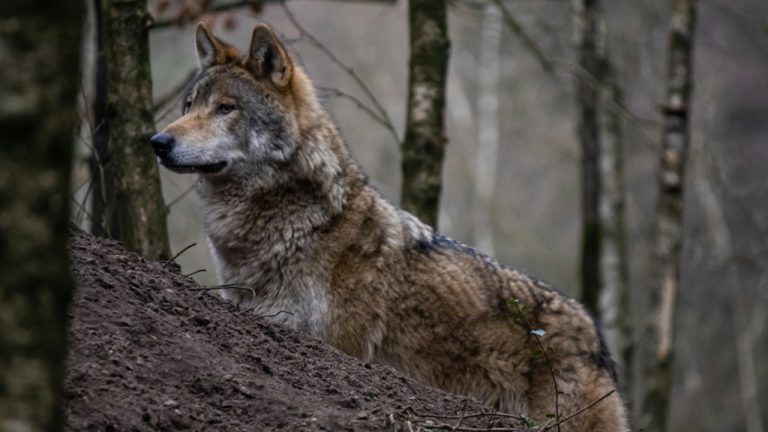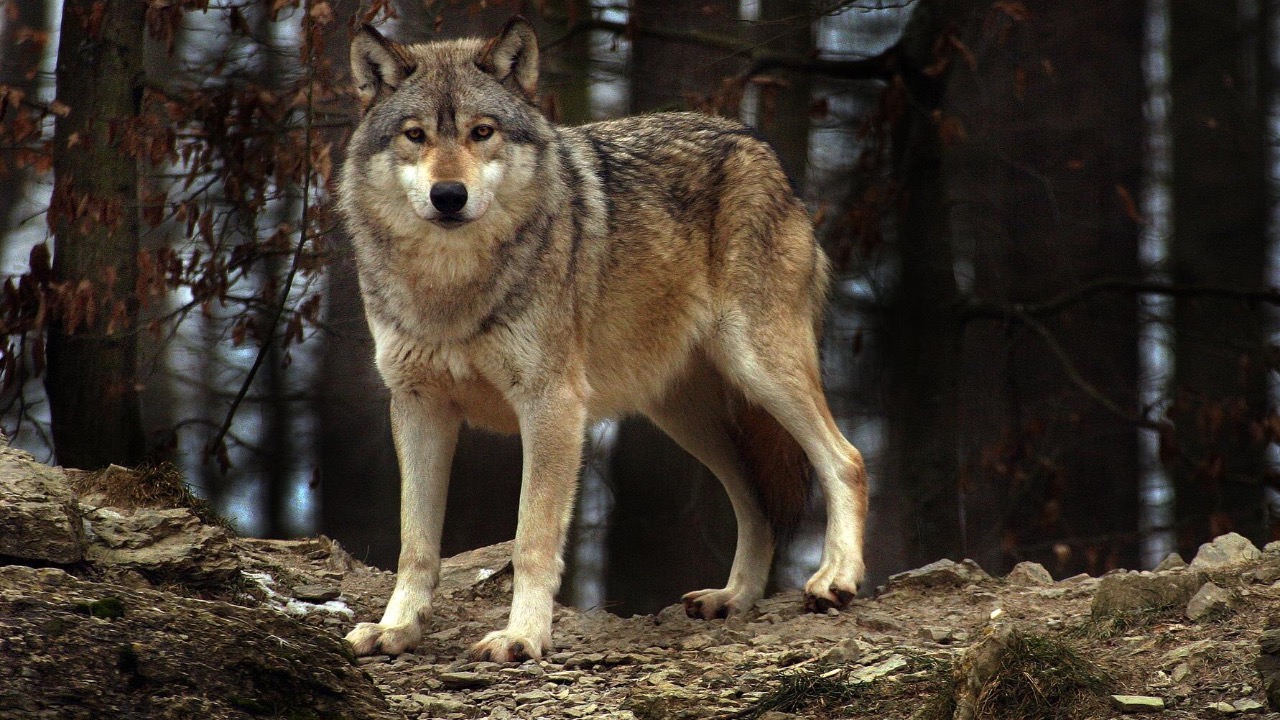
9 mistakes to avoid if you encounter a wolf
Running into a wolf in the wild is rare, but it does happen. In much of the Lower 48, especially around the Northern Rockies and Upper Midwest, populations of gray wolves have rebounded. Most wolves want nothing to do with you. They’re wary, observant, and far more interested in elk or deer than a human on two legs.
That said, you don’t want to be the person who reacts poorly in a tense moment. Panic, bad body language, and a misunderstanding of how wolves behave can turn a manageable situation into a dangerous one. If you ever find yourself staring at a set of yellow eyes across a clearing, these are the mistakes you need to avoid.
Turning and Running
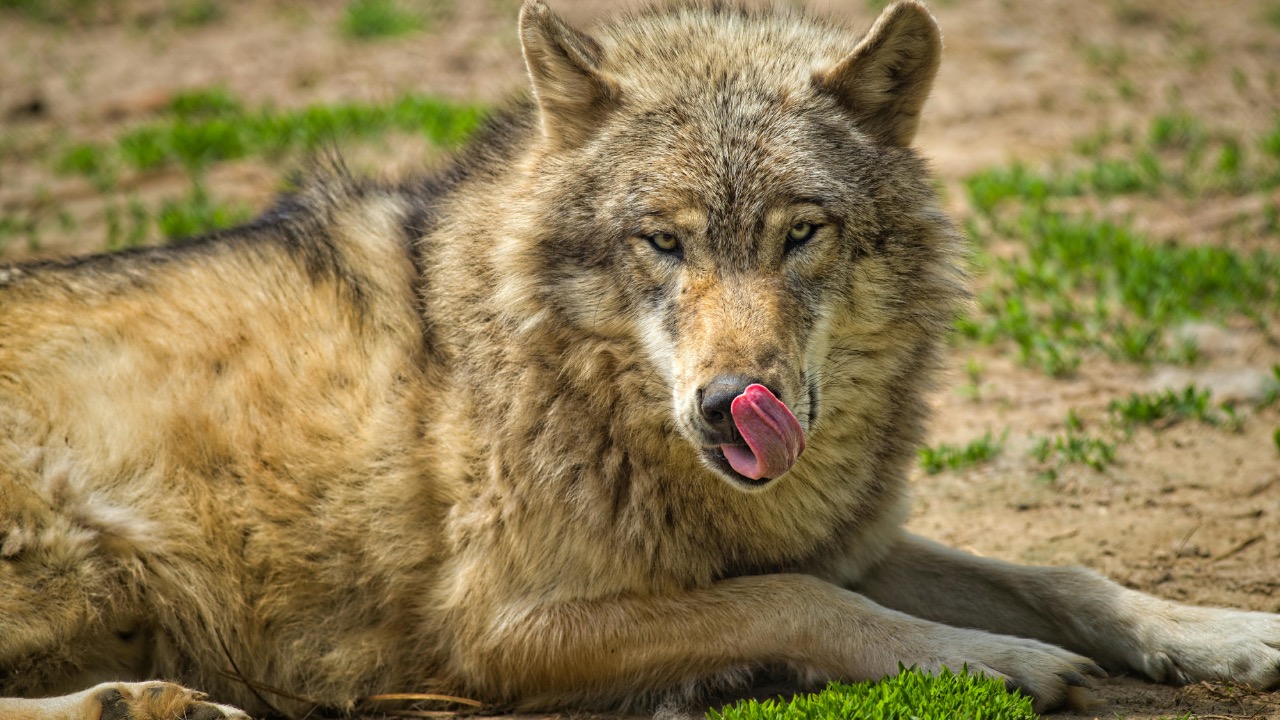
Your first instinct might be to spin around and sprint. That’s a mistake. Wolves are built to chase. A running human can trigger that pursuit response, even in an animal that wasn’t initially interested in you.
When you run, you also lose visual awareness. You can’t see what the wolf is doing, and you risk tripping or falling on uneven ground. Instead, stand your ground. Keep your eyes on the animal without locking into a hard stare. Back away slowly and deliberately, giving it space while maintaining control of the situation.
Acting Submissive or Cowering
Wolves are social predators with a clear understanding of dominance and hierarchy. If you crouch down, curl inward, or try to make yourself small, you’re sending the wrong message. That posture can signal weakness.
Stay upright. Square your shoulders. Make yourself look bigger by raising your arms or holding your jacket out wide. Speak in a firm, steady voice. You’re not trying to provoke the animal, but you are making it clear that you’re not prey. Confidence and size matter in that moment.
Getting Between Pups and Adults
In late spring and early summer, wolves may have pups nearby. If you unknowingly wander close to a den or rendezvous site, adult wolves can become defensive. That’s when behavior shifts from curious to confrontational.
If you see multiple wolves and notice smaller animals hanging back, don’t push forward to get a better look. Increase distance immediately. Give them a wide berth and change your route. Defensive wolves aren’t hunting you, but they will push hard to protect their young if they feel boxed in.
Feeding or Approaching for a Better Look
Wolves that lose their fear of humans become a problem fast. Feeding one, even unintentionally by leaving food scraps at camp, encourages bold behavior. That’s how conflicts start.
If you see a wolf at a distance, resist the urge to approach for photos or a closer look. Keep your distance. Secure your food, trash, and game meat. A wolf that associates people with food is far more likely to test boundaries, and that rarely ends well for either side.
Ignoring a Wolf That’s Acting Bold
Most wolves will hang back. If one approaches directly, circles you, or refuses to leave, that’s not typical behavior. Don’t ignore it or assume it will wander off.
Stand tall and make noise. Yell. Clap. Throw rocks or sticks toward, not at, the wolf to reinforce distance. You’re teaching it that humans are not worth the trouble. If it continues to close distance, escalate your response. Assertive behavior early often prevents a bad situation from getting worse.
Dropping Your Pack or Gear
Some people think tossing a pack or jacket will distract a predator long enough to escape. With wolves, that can backfire. You’re giving them something scented with food, sweat, or game.
Keep your gear with you. It adds bulk to your silhouette and can help you appear larger. If you’re carrying trekking poles, hold them out to increase your visual profile. Your equipment is an advantage, not a bargaining chip.
Letting Your Dog Roam Free
Unleashed dogs create some of the most common wolf conflicts. A dog may run toward a wolf out of curiosity or territorial instinct, then retreat back to you with a wolf in pursuit.
If you’re in known wolf country, keep your dog leashed and close. Wolves see dogs as competitors or threats. A loose dog can escalate an otherwise neutral encounter into a defensive or territorial response. Control your animal so you don’t unintentionally trigger a confrontation.
Failing to Maintain Eye Contact at the Right Level
You don’t want to stare aggressively, but you also shouldn’t look away and pretend the wolf isn’t there. Breaking visual contact completely can signal uncertainty.
Keep the animal in your peripheral vision as you back away. Face it without locking into a hard glare. That balance shows awareness without direct challenge. It tells the wolf you see it, you’re alert, and you’re not an easy target.
Assuming Attacks Never Happen
It’s true that wolf attacks on humans are extremely rare. But rare doesn’t mean impossible. Complacency is its own mistake.
If a wolf does make contact, fight back with everything you have. Use sticks, rocks, trekking poles, or bear spray if you’re carrying it. Aim for the face and muzzle. Stand your ground. You’re not prey unless you act like prey. Most encounters end with the wolf leaving. Your job is to make sure it chooses to do exactly that.

Asher was raised in the woods and on the water, and it shows. He’s logged more hours behind a rifle and under a heavy pack than most men twice his age.