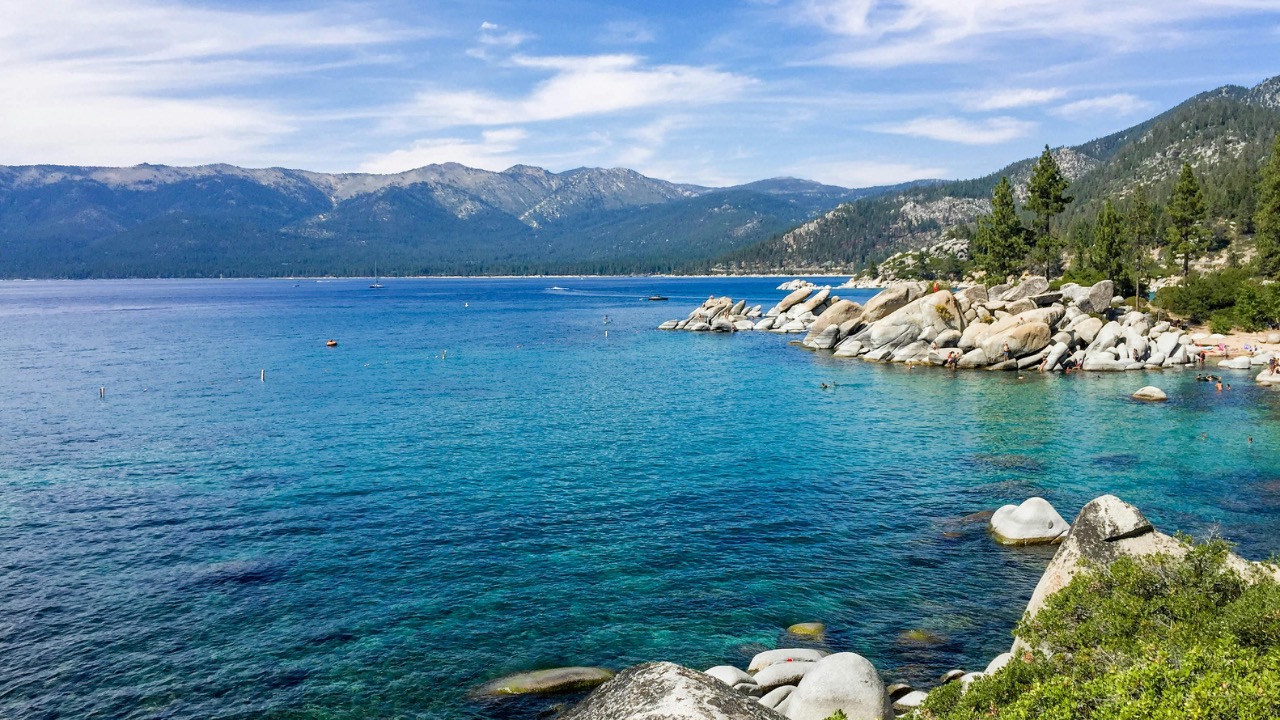
Lake Tahoe Swells With 16 Billion Gallons of Water in Recent Weeks
Lake Tahoe has quietly taken in an estimated 16 billion gallons of water in recent weeks, a surge driven by an intense stretch of storms and rapid snowmelt across the Sierra Nevada. The rise has pushed the iconic alpine lake close to its natural rim, reshaping short-term flood concerns, long-term water storage prospects, and the delicate balance of a world-famous ecosystem.
In a region that swings between punishing drought and sudden deluges, this kind of gain is more than a curiosity. It offers a snapshot of how a changing climate is amplifying extremes around one of North America’s clearest and most closely watched lakes.
What happened
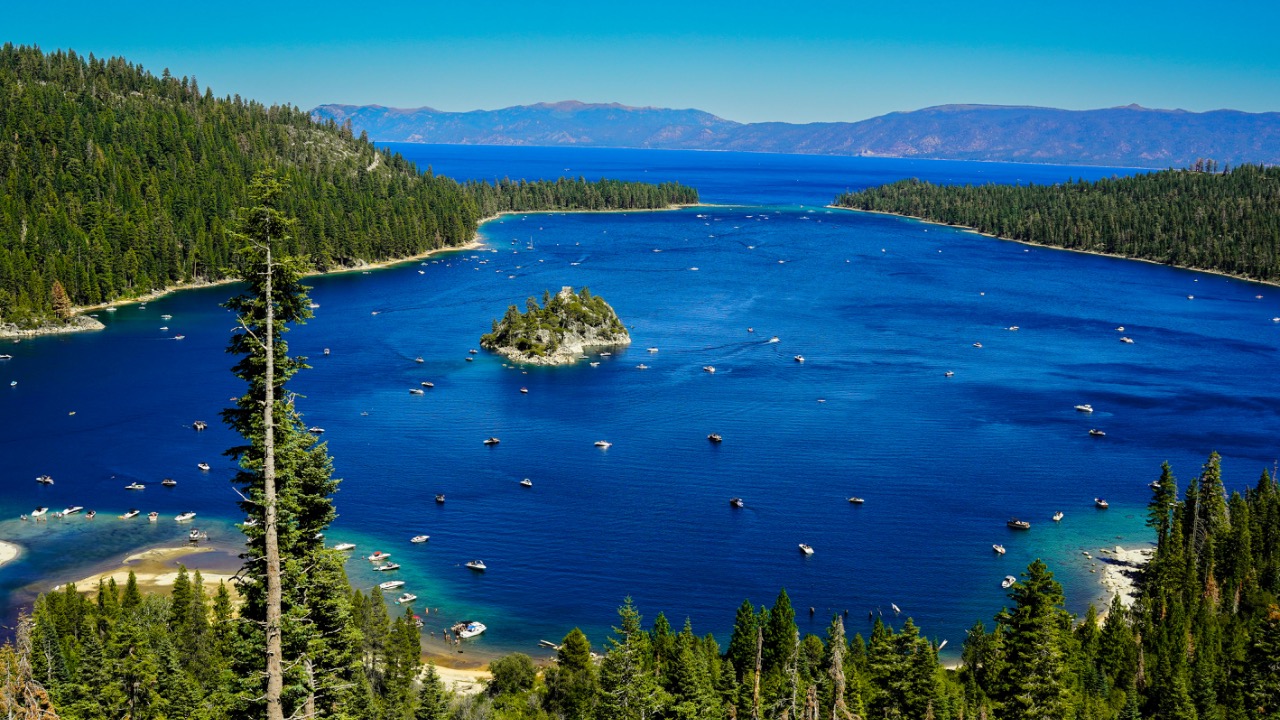
After a series of strong Pacific storms, Lake Tahoe’s surface level climbed rapidly, translating into roughly 16 billion gallons of additional water held in the basin. Local hydrologists track the lake’s height relative to its natural rim, and recent measurements show the surface rising several inches in a short span, which corresponds to that multi-billion-gallon increase across Tahoe’s 191 square miles of open water.
The surge followed heavy mountain snowfall and then warmer, wetter systems that brought rain at elevations that typically stay frozen through much of winter. That combination accelerated runoff from surrounding slopes into tributary streams that feed the lake. Observers reported that creeks that normally trickle at this time of year were running high and fast, funneling meltwater into the basin and helping drive the sharp increase in volume.
Regional coverage has highlighted how the lake has been edging toward its rim as storms stack up. One report on rising levels described the lake gaining several inches in a matter of days, a pace that would be impossible without a combination of saturated soils, rapid snowmelt, and sustained precipitation. The 16 billion gallon figure reflects that swift transition from a relatively modest winter start to a near-rim condition.
Hydrologists also point to the role of Sierra snowpack, which acts as a natural reservoir above Tahoe. Earlier in the season, snow surveys showed a healthy but not record-breaking pack. As warmer storms moved in, snow at mid elevations began to melt while new snow fell higher up, sending a pulse of water downhill while still preserving some of the longer-term storage in the upper watershed.
Meanwhile, the Truckee River, Lake Tahoe’s only outlet, has been adjusting to the influx. The river carries water northeast toward Nevada, and its flow is controlled in part by a dam at Tahoe City. Managers have some flexibility to release water to protect lakeside infrastructure, but they are constrained by downstream flood risks and legal agreements that govern how much water can leave the lake in a given season.
Why it matters
The recent rise in Lake Tahoe is significant for three overlapping reasons: flood risk, long-term water supply, and environmental health.
To start, the lake’s proximity to its rim raises short-term concerns for communities that sit close to the shoreline. When Tahoe climbs above that natural lip, even modest wind events can push water into low-lying areas and marinas. Past high-water years have brought flooded piers, submerged beaches, and damage to lakeside infrastructure. Reporting on what a filling has emphasized how quickly conditions can flip from drought anxiety to worries about waves lapping at boardwalks and parking lots.
The surge also offers a short-term buffer for a region that has endured repeated drought cycles. Lake Tahoe is not a traditional reservoir with large, engineered drawdowns, but its level influences how much water can be released into the Truckee River system that serves communities and agriculture downstream. A gain on the order of 16 billion gallons represents a meaningful addition to that natural storage, especially after years when the lake has hovered near or even below its rim.
That context is crucial because the Sierra Nevada has seen dramatic swings between dry winters and intense atmospheric river events. A separate analysis of recent lake rises described how a single storm cycle can add several inches to Tahoe, then be followed by long stretches of dryness. Water managers are increasingly trying to capitalize on those wet bursts without creating new hazards.
The lake’s ecology is sensitive to both the quantity and timing of inflows. Large pulses of runoff can deliver nutrients and fine sediment from surrounding slopes into Tahoe’s famously clear waters. Researchers have long warned that increased nutrient loads can fuel algae growth and reduce visibility in a lake that once boasted clarity of more than 100 feet. When storms arrive in quick succession, the risk of erosion and pollutant transport rises, especially in areas with recent wildfire scars or disturbed soils.
Higher water can also help shield nearshore habitats from extreme temperature swings and can support spawning conditions for native fish species in connected streams. The challenge for scientists and managers is to harness the benefits of a fuller lake without accelerating the long-term decline in clarity that has concerned residents and environmental groups for decades.
The economic stakes are high as well. Lake Tahoe supports a year-round tourism industry that depends on both snow and clear water. A fuller lake can be a boon for boating, paddleboarding, and lakeside recreation in the warm months, which in turn supports hotels, restaurants, and small businesses around communities such as South Lake Tahoe, Tahoe City, and Incline Village. However, if high water leads to beach erosion, damaged piers, or murky nearshore conditions, the same surge can undermine the region’s appeal just as quickly.
What to watch next
The next several months will determine whether this recent surge becomes a manageable high-water year or the start of a more challenging flood season. Three factors will be especially important: the pace of additional storms, the rate of snowmelt, and how aggressively managers move water through the Truckee River outlet.
Forecasters will be watching for more atmospheric river events that can drop several inches of precipitation over the basin in a short window. If those storms arrive on top of an already elevated lake and a warming snowpack, the risk of rapid additional gains rises. In past wet years, Tahoe has climbed above its rim and stayed there for extended periods, which has required careful coordination between lake managers and downstream agencies to prevent flooding along the Truckee corridor.
The timing of spring warmth is just as critical. A gradual warming trend that melts the snowpack over many weeks would spread out inflows and give more room for controlled releases. A sudden heat wave, by contrast, could send a fresh surge of meltwater into a lake that is already carrying 16 billion extra gallons. Hydrologists will be tracking daily inflow and outflow data to gauge how close Tahoe gets to thresholds that have historically produced shoreline impacts.
Local planners are also taking a fresh look at how lakeside infrastructure can handle higher water. Some marinas and piers were designed for narrower swings in lake level, and repeated years of high water can stress those designs. The recent reporting on fast-changing levels has already prompted conversations about whether future projects should assume more frequent extremes, both high and low.
Environmental scientists will keep monitoring clarity readings and nearshore conditions as the season progresses. If the storms that fueled the 16 billion gallon gain also carried heavy sediment loads, that impact may become visible in Secchi disk measurements and underwater imaging later in the year. Long-term restoration work around the basin, including erosion control projects and stream restoration, is designed to blunt those pulses, but intense storm clusters can still test the system.
Finally, the recent rise at Tahoe feeds into a broader regional debate about how the Sierra Nevada should be managed in a climate that is trending warmer and more variable. Water agencies are weighing investments in upstream meadow restoration, expanded groundwater recharge, and updated reservoir rules that could capture more of these large but sporadic inflows without putting communities at risk. The way Lake Tahoe responds over the coming seasons will offer a highly visible case study of what works and where the gaps remain.

Leo’s been tracking game and tuning gear since he could stand upright. He’s sharp, driven, and knows how to keep things running when conditions turn.