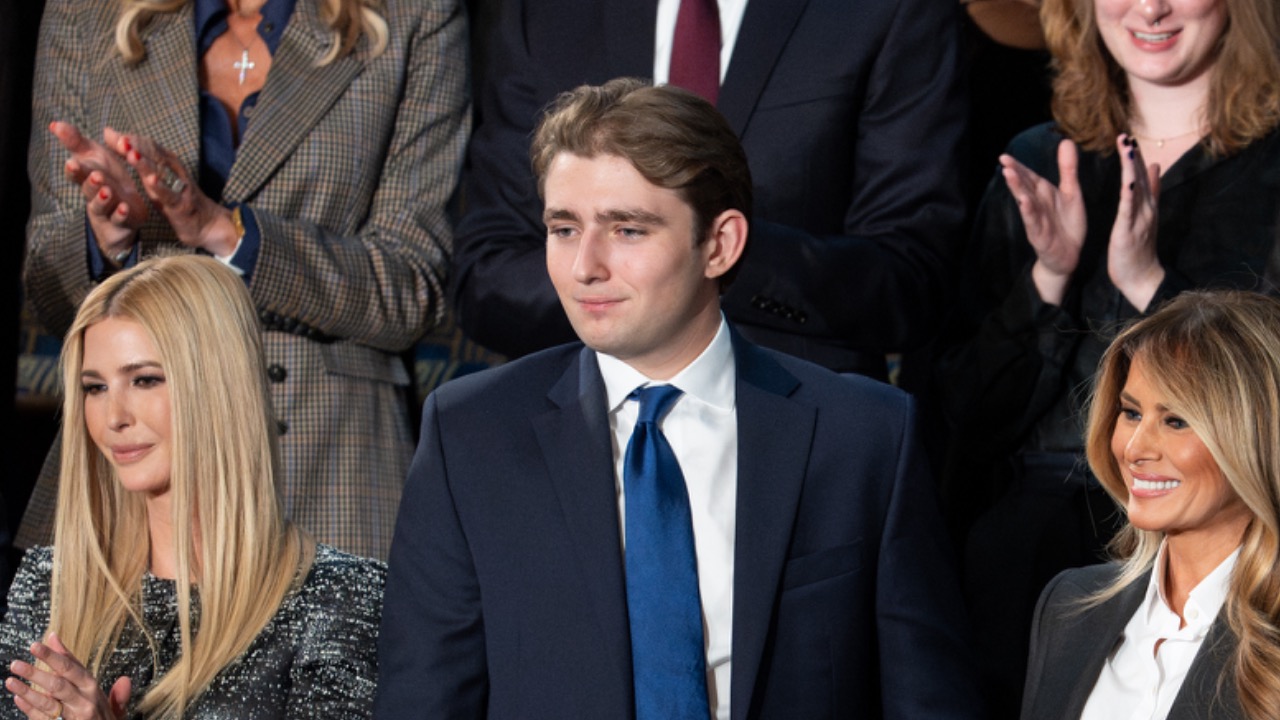
‘Barron Trump Is No Exception’: Calls Grow for President’s 20-Year-Old Son to Register for Draft as Automatic Military Registration Begins
As automatic draft registration for young men quietly shifts from theory to reality, attention has turned to the most famous 20-year-old in America. Critics and veterans’ advocates argue that Barron Trump, now of draft age, should be treated like any other eligible citizen as the Pentagon prepares new systems to sweep millions into the Selective Service database. Supporters of the president counter that talk of his son’s potential conscription is a political stunt built on fear rather than policy.
The clash over one young man’s obligation to register captures a deeper anxiety about who would bear the burden if the United States ever reactivated the draft. It also exposes an old fault line in American politics: whether the children of the powerful are shielded from the costs of war.
What happened
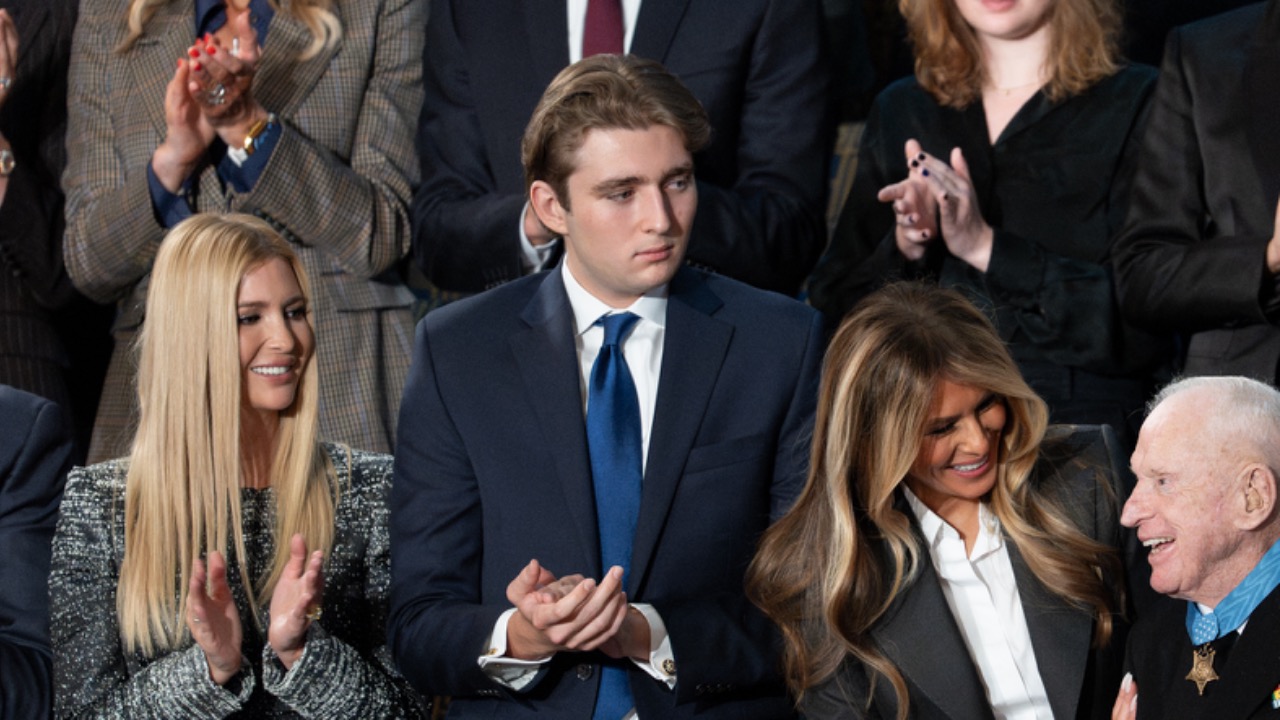
Recent reporting on Pentagon planning has revived public debate about draft-age Americans, including Barron Trump. Officials have been developing technology to automate Selective Service registration so that, instead of relying on mail-in forms or sporadic compliance, the government can instantly identify and contact millions of eligible men if Congress ever authorizes conscription again. One report described internal preparations that would allow the military to reach up to 17 million draft-age men within days through integrated databases and digital alerts.
Against that backdrop, a separate report focused squarely on the president’s youngest son. Citing Pentagon planning and the renewed attention on the Selective Service system, it framed the 20-year-old as firmly within the pool of men who could be called if a draft were activated. The piece argued that Barron Trump is now old enough to be included in any such mobilization and that his status as the president’s child would not, in itself, exempt him from the requirement to register. The report stressed that the law applies to all male citizens and certain immigrants between 18 and 25, and it cast the president’s family as a test of whether that principle truly holds in practice, especially if conflict escalates and the draft is no longer a distant abstraction.
Coverage of Selective Service modernization has also highlighted how registration is already intertwined with routine life events. Young men are automatically added to the system when they apply for a driver’s license in many states or when they complete federal student aid forms. A detailed explainer on the new policy push described how the government is moving toward fully automatic enrollment at age 18, using existing federal and state data to close gaps in compliance. That analysis noted that the shift is designed to ensure that, if lawmakers ever approve a draft, the machinery to implement it would be ready almost immediately.
Taken together, these reports have fueled commentary that Barron Trump should be treated as an ordinary 20-year-old under the law. Social media posts and opinion writers have seized on the idea that if the administration is comfortable with automated registration for millions of anonymous teenagers, the president’s own son should be expected to comply just as quickly and transparently.
Why it matters
The focus on Barron Trump is not only about one individual. It is about whether the United States still accepts the idea of shared sacrifice when it comes to war. The Selective Service system has existed for decades, but since the end of conscription the burden of military service has fallen on a relatively narrow slice of the population. Automatic registration would change the psychological equation for a new generation, and the president’s family sits at the center of that shift.
One detailed account of Pentagon planning described how the military has explored ways to use existing records, including Social Security and state licensing databases, to build an instant roster of draft-eligible men. According to the report, that planning is not a sign that a draft is imminent but a bureaucratic effort to modernize an outdated system. Still, the very idea that the government could, almost at the push of a button, identify and contact millions of 18 to 25 year olds has stirred fears that conscription could return faster than the public expects.
In that climate, the question of whether Barron Trump has registered, or will register, carries symbolic weight. Advocates for stricter adherence to the law argue that if the president’s son is seen as exempt, it would reinforce a perception that military risk is something that happens to other people’s children. They point to the history of political families whose members served, from Theodore Roosevelt’s sons in World War I to the Bush family’s military record, as examples of how elite participation can legitimize national sacrifice.
Others counter that singling out a 20-year-old who has largely stayed out of public life veers into personal territory and distracts from the policy questions. They note that automatic registration is already standard in many states and that Barron Trump would be swept into the system by the same mechanisms that apply to his peers, such as driver’s license applications or federal education forms. From this perspective, the real issue is not whether one young man signs a form but whether the country is prepared for the political and moral consequences of reviving conscription at all.
The legal stakes are also concrete. Men who fail to register with the Selective Service by age 26 can lose access to certain federal benefits, including some student aid and government jobs. One explainer on the evolving policy landscape emphasized that automatic registration is meant to protect young men from those penalties by ensuring compliance without forcing them to navigate a separate bureaucracy. That same analysis noted that the law, as written, does not carve out exceptions for children of elected officials.
In that sense, the debate around Barron Trump has become a proxy for trust in institutions. If the public believes that the president’s son is quietly shielded from obligations that bind everyone else, confidence in the fairness of any future draft would erode. If, instead, he is seen to follow the same rules, supporters of automatic registration can argue that the system is genuinely universal.
What to watch next
The immediate question is whether Congress will move to formalize or expand automatic registration. A detailed policy breakdown on the draft system explained that lawmakers have periodically considered bills that would require all relevant federal and state agencies to share data with the Selective Service, effectively capturing every eligible man without any affirmative action on his part. That same analysis described how proponents see this as a low-cost administrative fix, while critics worry it would normalize the idea of a draft and make it easier to implement without a deep public debate.
Any such legislation would likely reignite scrutiny of the president’s family. If Congress strengthens automatic registration, the administration will face questions about how those rules apply to Barron Trump and whether the White House is prepared to disclose his compliance. Advocates who insist that “no one is above the draft” are likely to push for clear public confirmation that he is included in the system, particularly as he moves through milestones like college enrollment or professional licensing that often trigger automatic data sharing.
Beyond the president’s household, the Pentagon’s own planning will remain under the microscope. The report that first highlighted Barron Trump’s potential eligibility described internal discussions about how quickly the military could scale up if a major conflict required conscription. That coverage framed the president’s son as a vivid example of who would be swept up, but the underlying story was about the government’s capacity to mobilize millions of people with little warning. Future disclosures about those systems, including any tests or drills, will shape public understanding of how close the country really is to a functional draft.

Leo’s been tracking game and tuning gear since he could stand upright. He’s sharp, driven, and knows how to keep things running when conditions turn.