7 National Monuments Native Americans Demand Removed Immediately
Across the United States, several national monuments have become the center of ongoing debate involving Native American tribes, federal agencies, and conservation groups. At the heart of the issue is a long-running tension between land protection, federal designation, and Indigenous sovereignty.
While not all Native American groups agree on the same approach, some tribes and organizations have called for changes to how certain protected lands are managed — and in some cases, for boundaries or designations to be revised entirely.
Here are 7 national monuments that have been part of those discussions.
1. Bears Ears National Monument (Utah)
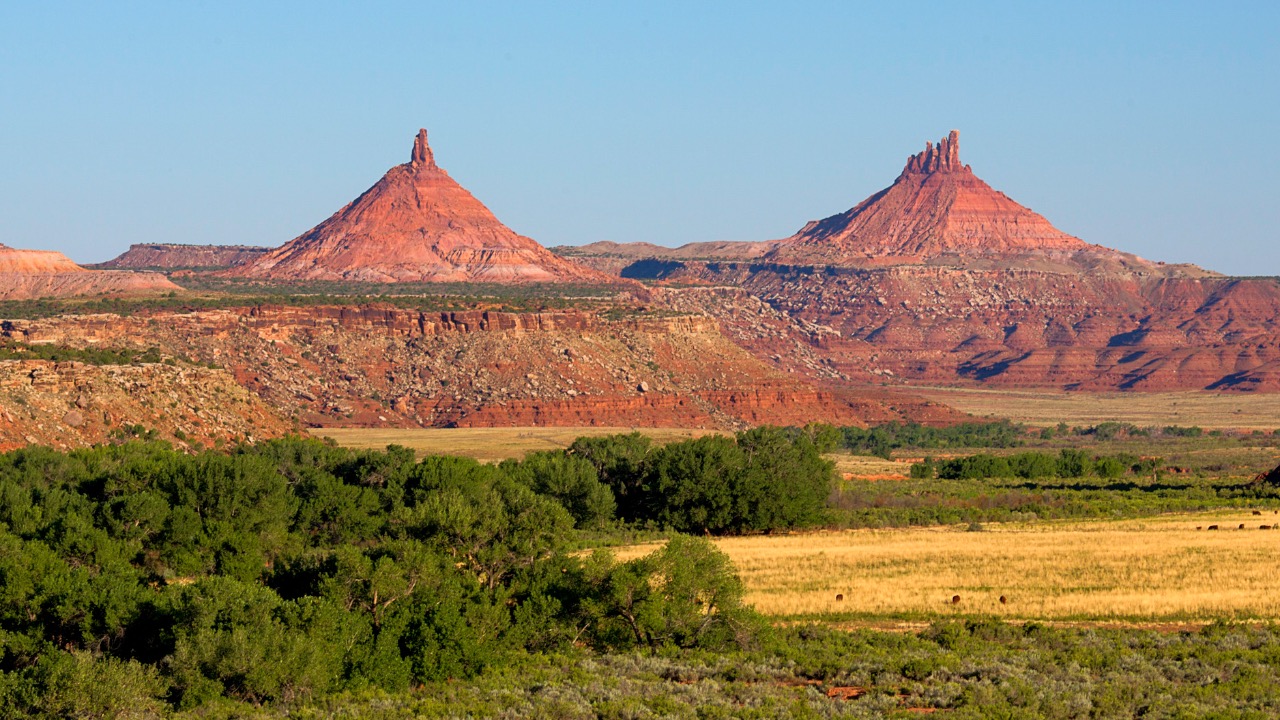
One of the most widely discussed cases, Bears Ears National Monument has been at the center of disputes involving tribal co-management and federal oversight. Several tribes have pushed for stronger protection and greater control over decision-making in the area, citing cultural and archaeological significance.
2. Grand Staircase–Escalante National Monument (Utah)
Grand Staircase–Escalante National Monument has also been involved in long-running debates over land use. Tribal groups and conservation advocates have raised concerns about how boundary changes could affect sacred sites and environmental protection.
3. Cascade–Siskiyou National Monument (Oregon/California)
Cascade–Siskiyou National Monument has seen discussions involving ecological protection and Indigenous land stewardship, with some groups advocating for expanded protections and others questioning federal management decisions.
4. Muir Woods National Monument (California)
Muir Woods National Monument sits on land with deep Indigenous history. Some Native groups have raised concerns about historical displacement and the lack of full recognition of original stewardship of the area.
5. Mount Rushmore Area (South Dakota)
While not a national monument in the same administrative sense, the area around Mount Rushmore National Memorialhas long been part of legal and cultural disputes, particularly involving the Black Hills and their significance to the Lakota Sioux.
6. Organ Mountains–Desert Peaks (New Mexico)
Organ Mountains–Desert Peaks National Monument has been part of broader discussions about land preservation and Indigenous history, especially around access, preservation, and historical use of the land.
7. Bears Ears–Adjacent Public Lands (Utah)
Beyond the official monument boundaries, surrounding areas near Bears Ears National Monument are also part of ongoing debate, with some Native groups arguing that sacred sites extend beyond current protected lines.
Why This Debate Keeps Growing
At the center of these discussions is a deeper issue: who gets to define and manage land that carries both cultural and national significance.
For many Native American tribes, these areas are not just historical sites — they are living landscapes tied to identity, spirituality, and heritage. That’s why questions about control, access, and protection carry more weight than typical land-use debates.
On the other side, federal agencies and policymakers often have to balance conservation goals, public access, and legal frameworks that have changed multiple times over the years.
A Conflict That Isn’t Easily Resolved
What makes this issue especially complex is that it isn’t a single, unified demand or position. Different tribes, organizations, and stakeholders often have different priorities even within the same region.
That means each case tends to develop differently, with ongoing negotiations, legal challenges, and policy changes shaping the outcome over time.
Why People Are Paying Attention
Stories like this tend to gain traction because they sit at the intersection of history, identity, and government authority. They’re not just about land — they’re about who has the final say over places that carry deep meaning for multiple groups of people.
And in many of these cases, the debate isn’t settled. It continues to evolve as new policies, leadership changes, and legal challenges emerge.

Leo’s been tracking game and tuning gear since he could stand upright. He’s sharp, driven, and knows how to keep things running when conditions turn.