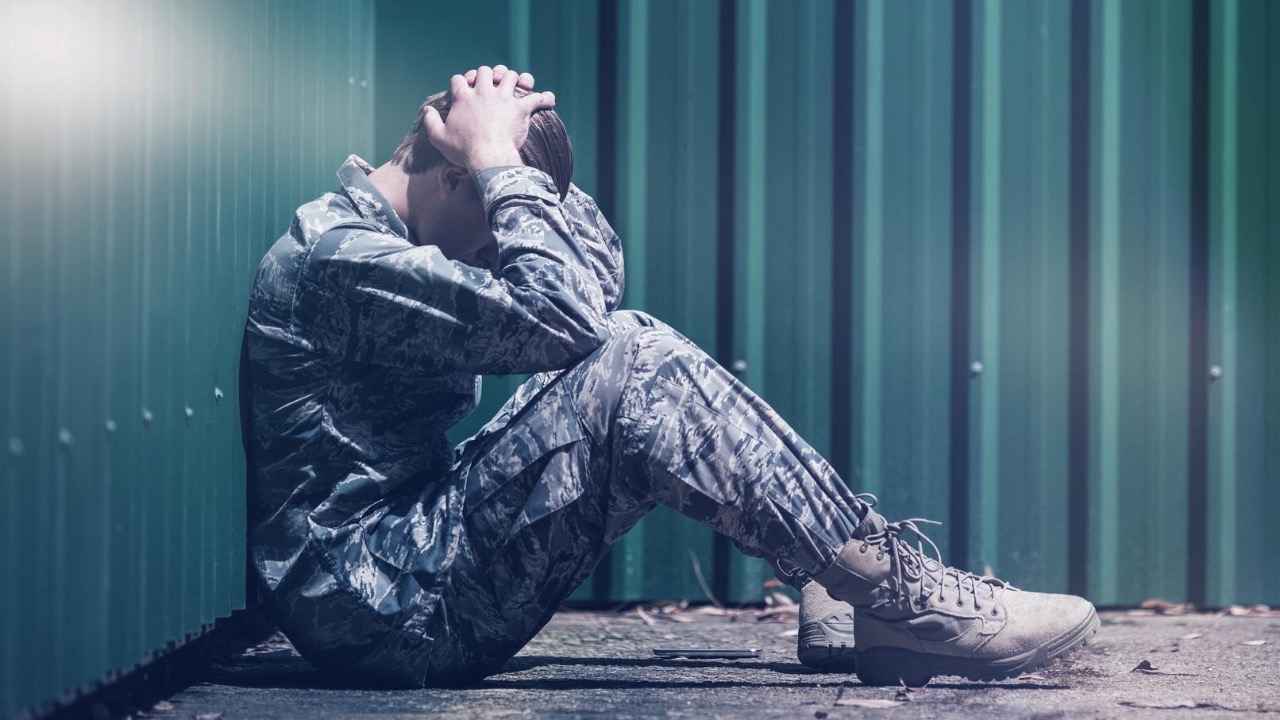
Military Officials Report Declining Morale Amid Prolonged Overseas Conflicts
You have probably noticed the steady stream of updates from defense leaders about the toll that extended operations are taking on American service members. Military officials now openly describe a measurable drop in morale tied directly to the demands of ongoing conflicts in the Middle East. These assessments come from internal surveys, counselor sessions, and direct feedback from units in the field. The pattern mirrors what happens when deployments stretch without clear resolution, leaving people exhausted and questioning their day-to-day purpose. As you follow these accounts, it becomes clear that the issue goes beyond temporary fatigue and touches on deeper questions about sustainment and focus.
Reports Reveal Growing Discontent in the Ranks
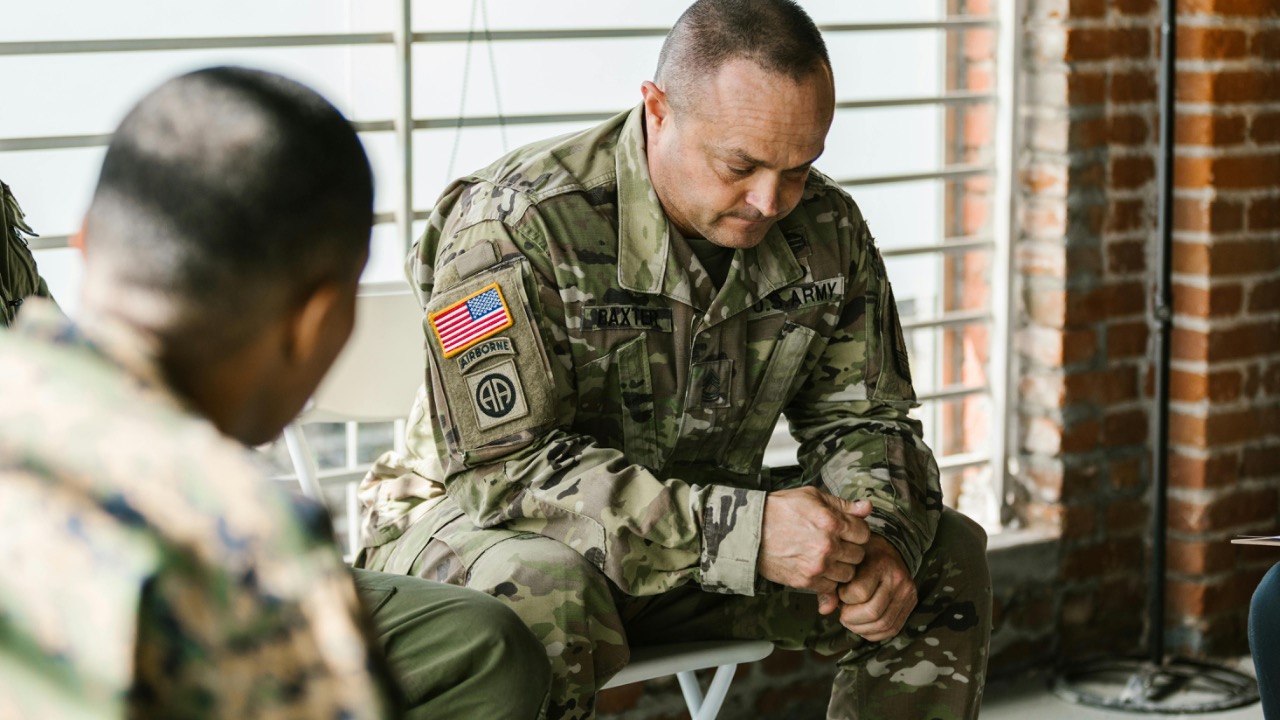
Military officials examining recent unit feedback see a consistent theme of rising frustration among deployed personnel. Service members describe the strain of repeated extensions and the sense that missions lack defined endpoints. This feedback arrives through formal channels and informal conversations that leaders track closely. The data shows morale dipping noticeably compared with earlier phases of operations.
You can trace much of this back to the cumulative effect of long separations and high operational tempo. Troops report feeling disconnected from larger objectives, which erodes the usual sense of shared purpose. Officials note these patterns appear across multiple branches and locations, signaling a broad rather than isolated problem that requires attention at higher levels.
Troops Start Seeking Early Ways Out
Service members have begun requesting early separations at higher rates than before, according to military counselors working directly with units. Officials confirm the surge ties to dissatisfaction with the length and direction of current engagements. Some personnel cite personal limits reached after multiple tours, while others point to family pressures mounting at home.
This trend worries retention specialists because it affects both experienced members and newer ones considering longer commitments. You see how the decision to leave early often stems from a practical calculation about what continued service means for health and relationships. Leaders track these numbers carefully, recognizing that losing trained people now creates gaps that prove hard to fill later.
Questions About Mission Goals Surface Frequently
Active-duty personnel increasingly voice uncertainty about the overall aims of operations, as reported in sessions with chaplains and mental health staff. Officials acknowledge that unclear progress markers make it tougher for troops to stay motivated during extended periods away. The conversations reveal a pattern where service members seek reassurance that their efforts connect to measurable results.
This doubt spreads through informal networks and influences how units approach daily tasks. You notice that when people start asking these questions openly, it reflects a shift from earlier confidence to a more cautious outlook. Military leaders emphasize the need to address these concerns directly to prevent them from deepening further.
Retention Efforts Face New Headwinds
Officials monitoring reenlistment rates report added difficulty in keeping experienced members beyond their current obligations. The combination of prolonged deployments and personal costs has made some reconsider staying in uniform long term. Data from personnel offices shows dips in certain specialties where operational demands remain highest.
You can see the ripple effect on force structure when skilled people choose not to extend. Leaders work to counter this through targeted incentives, yet the underlying morale issues continue to complicate those conversations. The challenge lies in balancing immediate mission needs with the reality that people weigh family stability and future plans heavily before committing again.
Daily Pressures Build Over Time
Service members describe the grind of sustained field operations as wearing down even the most dedicated individuals. Officials note that routine tasks, combined with security concerns and limited downtime, create a steady source of fatigue. This environment leaves little room for the usual recovery periods that help maintain focus.
The accumulation of these factors shows up in higher reports of stress-related concerns. You recognize how small daily frustrations compound when there is no clear end in sight. Commanders track these conditions closely because they know sustained pressure affects performance and decision-making in ways that matter for safety and effectiveness.
Counselors Handle Rising Support Requests
Military behavioral health teams report an uptick in service members reaching out for guidance on managing deployment-related stress. Officials highlight that many conversations center on feelings of isolation and uncertainty about the mission’s trajectory. These interactions provide direct insight into the emotional load carried by those overseas.
The volume of requests has prompted adjustments in how support resources are allocated across theaters. You see the practical side when counselors describe the need to scale efforts quickly to meet demand. This response from leadership shows recognition that addressing individual concerns early helps prevent larger readiness problems down the line.
Families Experience the Impact Back Home
Spouses and children of deployed members feel the strain through longer separations and the uncertainty that accompanies extended missions. Officials hear from family support programs about increased calls for assistance with everything from emotional support to practical logistics. These accounts align with reports from service members themselves about worries at home.
The connection between overseas conditions and stateside well-being creates a feedback loop that officials monitor. You understand how this shared burden influences decisions about reenlistment and overall satisfaction with military life. Leaders emphasize that supporting families remains a key part of maintaining stability across the force.
Readiness Levels Come Under Closer Scrutiny
Senior military officials link the morale trends to potential effects on overall preparedness and unit cohesion. Prolonged operations without adequate recovery time can reduce the edge that comes from high motivation and trust within teams. Internal reviews now factor these elements into assessments of force posture.
This scrutiny reflects a realistic view of how human factors shape operational outcomes. You see the connection when reports note that sustained low morale risks slowing response times or complicating coordination in complex environments. Addressing the issue therefore becomes part of broader planning to keep the military capable of meeting its commitments.

Asher was raised in the woods and on the water, and it shows. He’s logged more hours behind a rifle and under a heavy pack than most men twice his age.