Top wildlife species found across West Virginia
Across West Virginia’s ridges, river bottoms, and coal country hollows, wildlife is stitched into everyday life. From big game in the hardwoods to trout in cold mountain streams and raptors circling over hayfields, the state holds far more than a few postcard species, and the animals are as varied as the terrain.
When I look at the Mountain State, I see a place where whitetails, black bears, bobcats, and wild turkeys share space with small mammals, bats, and a surprising mix of fish. The result is a landscape where you can glass a ridgeline for deer at daybreak, watch Turkey vultures ride thermals at noon, and listen for bats over a river at dark, all without leaving one county.
Big game that defines the Mountain State
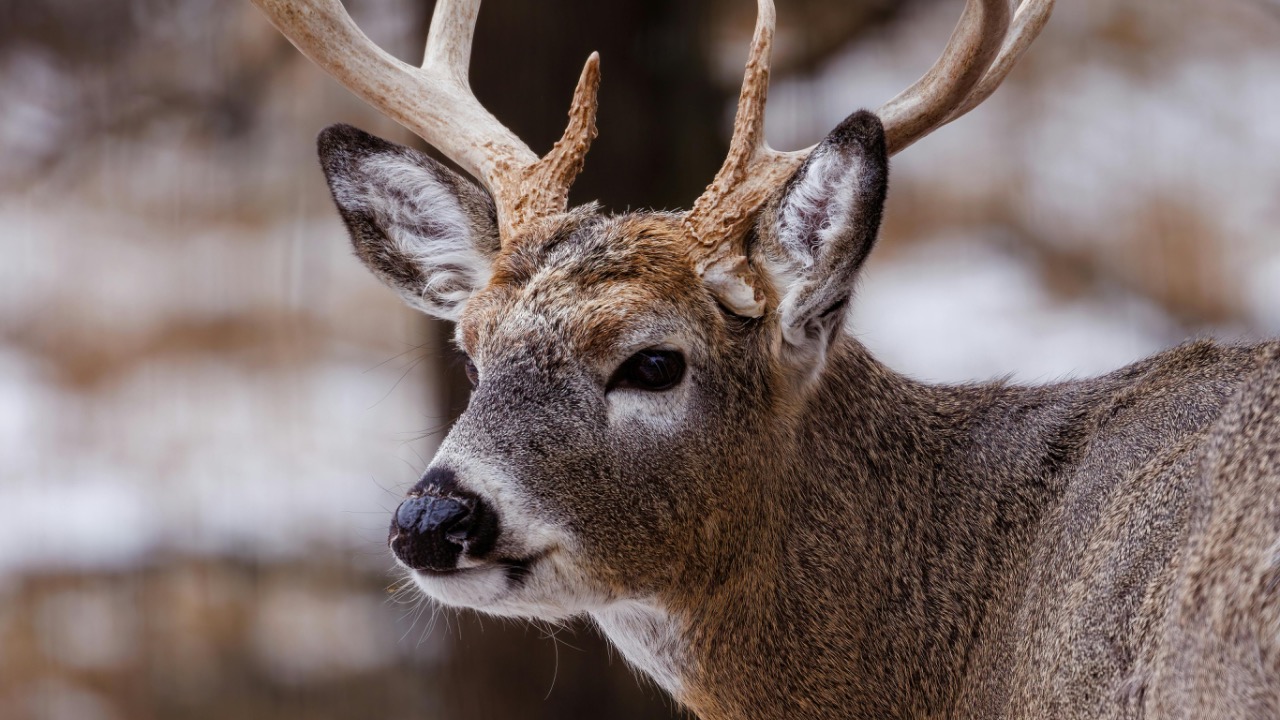
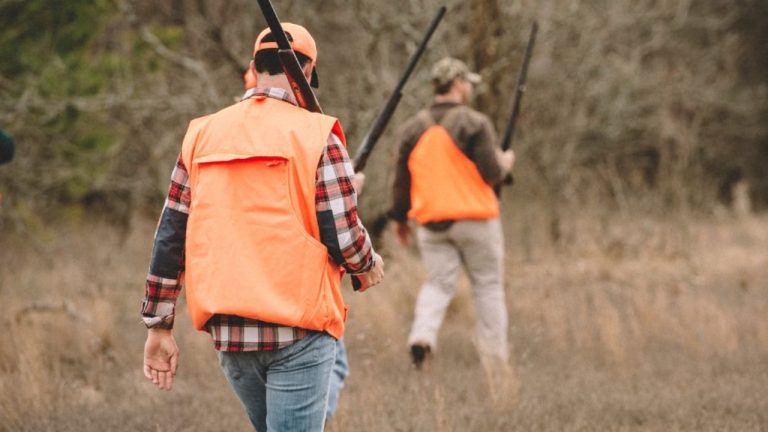
Ask most hunters what they picture when they think of West Virginia and the answer usually starts with big game. The state’s hills and hollows support a strong population of white-tailed deer, black bears, and other large mammals that anchor both the hunting culture and the broader food chain. Wildlife managers point out that West Virginia‘s diverse landscape is home to an impressive variety of big game species, and that mix gives the state a reputation for serious fall seasons.
Those same animals shape how people use the land the rest of the year. Deer browse affects forest regeneration, black bears move seeds across long distances, and wild boar rooting can change entire patches of understory. For anyone who spends time in the woods, tracks, scat, and torn-up logs are constant reminders that the big animals are still out there, moving mostly at the edges of our routines.
White-tailed deer and everyday encounters
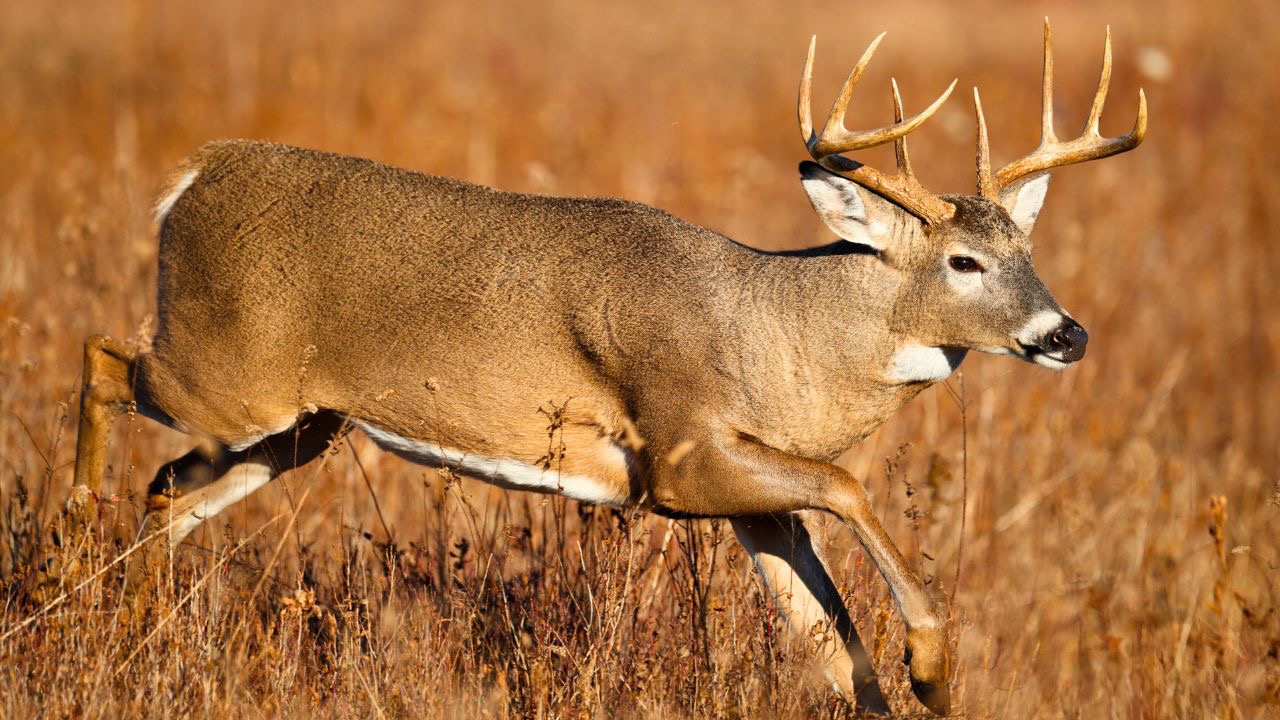
White-tailed deer are the workhorse species of West Virginia’s wildlife scene, showing up in farm fields, suburbs, and deep timber alike. They are listed among the common mammals in the state’s mountains and lowlands, and sources that break down the fauna of West Virginia note that whitetail are part of the everyday mix alongside raccoons, skunks, and other familiar critters. For hunters, they are the backbone of the fall calendar, but for drivers and gardeners they are just as often a hazard or a headache.
Because deer are so adaptable, they bridge the gap between wild country and human neighborhoods. You can glass a herd feeding on a reclaimed strip mine at first light, then see another group browsing ornamental shrubs behind a school that afternoon. That flexibility is part of why deer numbers have stayed strong across the state, even as some other species have pulled back into more remote corners.
Black bears, bobcats, and other elusive predators
Predators give West Virginia’s woods a different kind of energy, the sense that something is watching from the shadows even when you cannot see it. Black bears, wild boars, snowshoe hares, and Bobcats are all noted as part of the state’s fauna, and reporting on the fauna makes it clear that these animals are not confined to the deepest parks or wilderness. They can show up surprisingly close to towns, especially where forest fingers reach down into developed valleys.
Bobcats in particular are a classic “seen by sign, not by sight” predator. Most people know them from tracks in a muddy logging road or from a rabbit carcass left under a brush pile. Black bears leave more obvious calling cards, from clawed beech trees to raided trash cans, but they still manage to stay out of view for many residents. That mix of presence and mystery is part of what keeps predator stories circulating in campgrounds and small-town diners every fall.
Small mammals from hollows to high ridges
Beyond the headline predators and big game, West Virginia’s wildlife list is thick with smaller mammals that quietly keep the ecosystem running. State biologists tally Mammals and note that Seventy four species are currently found in the Mountain State, and Some are instantly recognizable while others live almost entirely underground or underwater. Moles, for example, can be distinguished from shrews by their paddle-like forefeet, and they spend most of their lives tunneling through moist soil in fields and yards.
Muskrats, voles, and other small rodents fill in the gaps between the more charismatic species. Extension specialists describe the common muskrat as a semi-aquatic rodent that can cause bank erosion and pond damage, and they group it with other problem species in their Wildlife Guide that also covers Bats and There are at least 14 species of bats in West Virginia. These smaller mammals are food for hawks, owls, and bobcats, and they also shape vegetation by what they eat and where they burrow.
Bats over rivers and ridge tops
On summer evenings, bats are some of the most active animals in the state, even if most people only see them as quick silhouettes against the last light. Wildlife experts point out that there are at least 14 species of Bats in West Virginia, ranging from tiny insect-eaters that work over ponds to larger species that cruise along forest edges. In the same Wildlife Guide, biologists emphasize how these bats help control insects that would otherwise hammer crops, gardens, and backyard gatherings.
Bat conservation has become a bigger topic as white-nose syndrome and habitat loss have hit populations across the region. Old barns, mine portals, and mature forests all matter for roosting, and the health of rivers and wetlands matters for the insects bats feed on. When you stand on a bridge at dark and watch them flicker over the water, you are seeing a piece of the state’s natural pest control system at work.
Raptors and scavengers in the open sky
Look up on a clear day and you will usually spot at least one bird of prey circling over a hayfield or ridge. Turkey vultures are singled out as one of the most well-known birds of prey in the Mountain State, and reporting on the carnivores of the sky notes that West Virginia is Home to two species of vulture, including the Turkey vulture that most people recognize by its teetering flight and red head. These birds are not hunters in the classic sense, but they are critical for cleaning up carrion before it spreads disease.
Alongside vultures, hawks and owls work the same landscapes with a more predatory style. Red-tailed hawks ride thermals over interstates and powerline cuts, while barred owls call from creek bottoms after dark. Together, these raptors keep rodent numbers in check and add a wild soundtrack to evenings in farm country and forested hollows.
Songbirds, woodpeckers, and the forest chorus
While raptors get the attention overhead, the bulk of West Virginia’s bird life plays out in the canopy and understory. Warblers, thrushes, and vireos pour through the state during migration, and many stay to nest in the mixed hardwoods that still cover large swaths of the hills. Woodpeckers, from downies to pileateds, are easy to pick out by sound as they drum on dead snags and call across hollows.
These birds are more than background noise. They move seeds, pollinate plants, and control insects that would otherwise chew through forests and gardens. For anyone who spends time in a tree stand or on a trout stream, the constant flicker of small birds in the branches is part of the experience, even if you are not carrying binoculars or a field guide.
Trout, bass, and other freshwater fish
West Virginia’s rivers and creeks are as important to its wildlife identity as the ridges that frame them. Cold headwater streams hold trout, while larger rivers and reservoirs support bass, catfish, and panfish. State listings of native species highlight places like Babcock State Park and note that anglers there can expect to find Trout and Smallmouth Bass Beech Fork among the key draws, and they direct people to call 1-800-CALL WVA for more information on specific waters.
Broader wildlife roundups for the state point out that the most common animals in the water include species like perches, bluegills, and catfish, and they group those fish with other freshwater life in their overview of West Virginia. For anglers, that means you can chase stocked trout in a mountain stream in the morning and then switch to smallmouth or channel cats on a warm river by afternoon, all within a short drive.
Wildlife of the New River Gorge and high country
Some of the state’s most dramatic wildlife country lies along steep river canyons and high plateaus. The New River Gorge has become a national destination for rafting and climbing, but it is also a stronghold for animals that thrive in rugged terrain. Educational material on the fauna of the region points to the Animals that use both Mountains and Lowlands, and it highlights places like the Endless Wall in New River Gorge where sheer cliffs, mixed forests, and river corridors all come together in West Virginia.
In those settings, you can find everything from nesting raptors on cliff faces to black bears working berry patches on the plateaus above. The mix of habitats in a relatively tight footprint means you might hear a wood thrush in a shady hollow, spot a timber rattlesnake on a sunny rock ledge, and then see a river otter slide into the current below, all in the same day if you pay attention.
Allegheny woodrats and other species of concern
Not every species in West Virginia is thriving. Some are hanging on in pockets of suitable habitat, and they tell a quieter story about how land use and fragmentation affect wildlife. Conservation groups highlight the Allegheny Woodrat as a species of concern in southern West Virgin, and they describe how The Allegheny woodrat depends on rocky outcrops, talus slopes, and similar rugged features that are not evenly spread across the state. In coverage of regional wildlife, the Allegheny Woodrat is portrayed as elusive and not aggressive, more likely to be overlooked than to cause trouble.
These smaller, less famous mammals often serve as early warning signs when habitats start to fray. When populations of a rock-loving rodent drop, it can signal changes in forest structure, predator pressure, or even disease dynamics. Paying attention to them helps managers adjust before problems ripple out to more visible species like deer and bears.
How people and wildlife share the same ground
One thing that stands out about West Virginia is how closely people and wildlife live together. Reports on the state’s fauna emphasize that animals like Bobcats, black bears, and wild boars are not strictly limited to remote forests, and that in West Virginia they can show up even in areas that are not the farthest from towns. That overlap means more chances for sightings, but it also means more potential for conflict over crops, trash, and backyard livestock.
Agencies and landowners spend a lot of time trying to strike a balance between enjoying wildlife and keeping it at arm’s length when necessary. Simple steps like securing garbage, fencing gardens, and giving animals space when you encounter them go a long way. In a state where hunting, fishing, and outdoor recreation are woven into the culture, that kind of coexistence is not an abstract idea, it is part of how people live on the land day to day.

Asher was raised in the woods and on the water, and it shows. He’s logged more hours behind a rifle and under a heavy pack than most men twice his age.