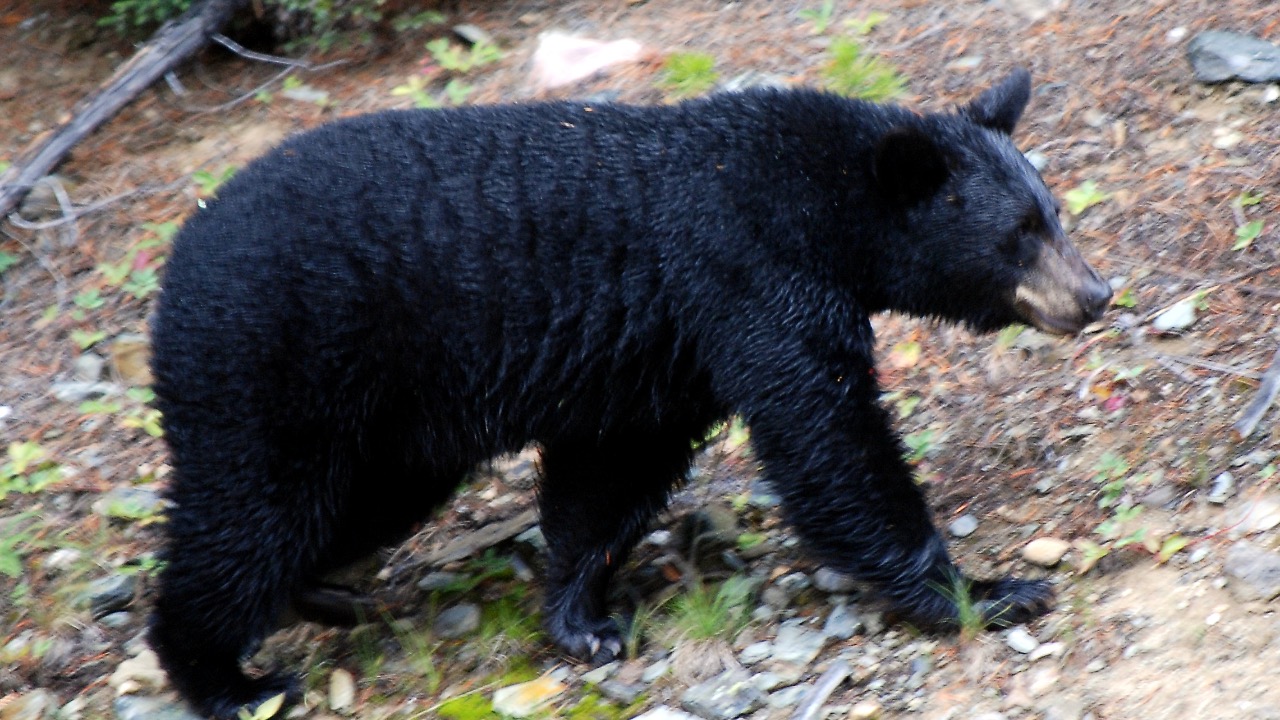
Surge in Black Bear Encounters Prompts New Warnings for Rural Landowners
Wildlife officials across the United States are reporting a noticeable rise in black bear encounters in rural and suburban areas, prompting renewed warnings for landowners to secure food sources and reduce attractants around homes, farms, and outbuildings.
The increase in sightings is being linked to a combination of expanding bear populations, shifting food availability, and growing overlap between human development and natural habitats. In several regions, including parts of the Midwest, Northeast, and Southern forests, bears are being observed more frequently near homes, livestock areas, and agricultural land.
Experts say this pattern is especially common in spring and early summer, when bears emerge from winter dens and begin actively foraging for calories. Wildlife agencies note that bears are highly opportunistic feeders and will quickly return to locations where they find easy access to food, such as garbage, pet food, bird feeders, and unsecured livestock feed.
Why Encounters Are Increasing
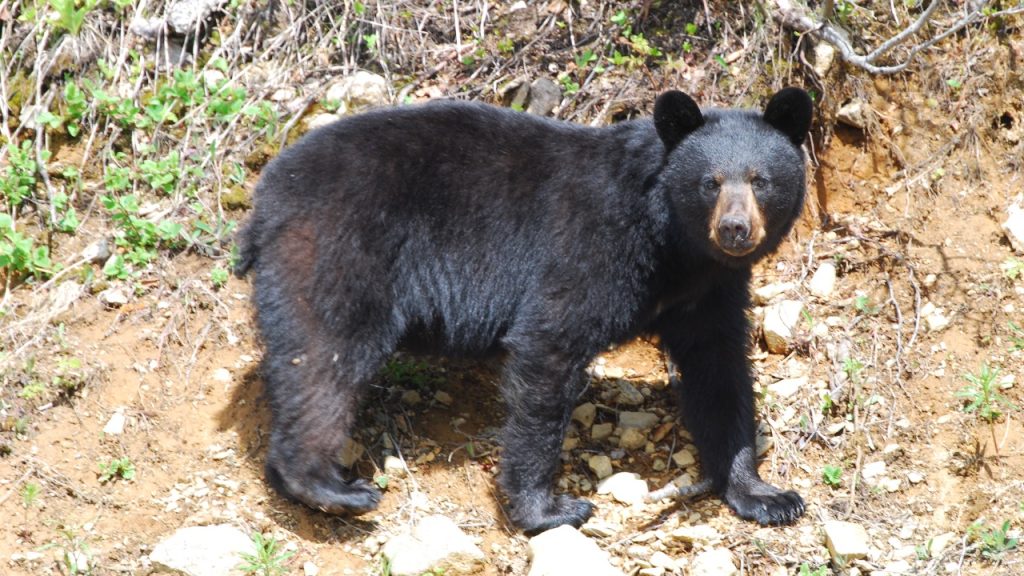
Biologists point to a mix of ecological and human-driven factors behind the surge. In many states, black bear populations have rebounded over the past several decades due to conservation efforts and habitat recovery. At the same time, residential development continues to expand into forested and rural areas, increasing the likelihood of contact.
Food availability also plays a major role. In years when natural foods such as acorns, berries, and nuts are scarce, bears are more likely to roam into human-populated areas searching for alternatives. Climate and weather shifts can intensify these cycles, creating unpredictable food shortages that push wildlife closer to people.
Researchers also warn that once bears discover reliable human food sources, they can become habituated—meaning they lose their natural fear of people and repeatedly return to the same locations. This is one of the main drivers of conflict situations.
Rural Landowners on the Front Line
Rural property owners are often the first to experience these encounters, especially those with livestock, chicken coops, compost piles, or unsecured trash bins. In many cases, damage is not caused by aggression but by bears searching for high-calorie food sources.
Wildlife officials emphasize that prevention is the most effective strategy. Once a bear becomes food-conditioned, relocation efforts are often unsuccessful because the animal continues seeking out human environments.
Common risk areas include:
- Outdoor garbage storage
- Bird feeders and pet food bowls
- Livestock feed and grain storage
- Fruit trees and unharvested crops
- Unsecured compost or burn piles
Safety Recommendations
State wildlife agencies consistently recommend a set of basic but critical precautions:
- Secure trash in bear-resistant containers or locked sheds
- Remove outdoor food sources, including pet food and bird seed
- Store livestock feed in sealed buildings
- Install electric fencing around chickens or small livestock
- Avoid intentionally feeding wildlife, even indirectly
Officials also advise landowners to remain calm during encounters, avoid approaching bears, and slowly back away while giving the animal an escape route.
A Growing Management Challenge
Although serious attacks remain rare, officials stress that the risk increases when bears become accustomed to human presence. In some states, wildlife agencies have documented rising conflict reports and more frequent property damage incidents, particularly in rural edge zones where forests meet farmland.
Experts say the long-term solution is not elimination of bears but reducing the conditions that draw them in.
“Human behavior plays a major role in shaping wildlife interactions,” one wildlife researcher noted in recent reporting. “If we remove attractants, we dramatically reduce conflict.”
Bottom Line
The surge in black bear encounters is being driven less by sudden aggression and more by changing landscapes—both ecological and human. For rural landowners, the message from wildlife officials is clear: prevention is the most effective defense.
Keeping food sources locked down, securing livestock areas, and staying alert during peak bear activity seasons can significantly reduce the chances of unwanted encounters.

Leo’s been tracking game and tuning gear since he could stand upright. He’s sharp, driven, and knows how to keep things running when conditions turn.