Forest Service actions may threaten bull trout survival in Idaho’s Jarbidge River
Bull trout in Idaho’s Jarbidge River are already hanging on by a thread, and new federal actions could snap what little is left of their lifeline. Logging, road work and prescribed burning near the river risk warming the water and filling it with sediment at a time when the population is already counted in just dozens of fish. If those projects go forward as planned, they may push this threatened population past the point where recovery is still possible.
Federal law is supposed to prevent that kind of outcome, yet critics argue the current approach treats bull trout habitat as expendable. I see a collision coming between the Forest Service’s land management plans and the legal duty to keep these cold‑water fish from disappearing. The Jarbidge River is a test case for whether agencies will adjust course in time or keep repeating the same mistakes that have already driven bull trout into steep decline across the West.
The Jarbidge River’s fragile bull trout population
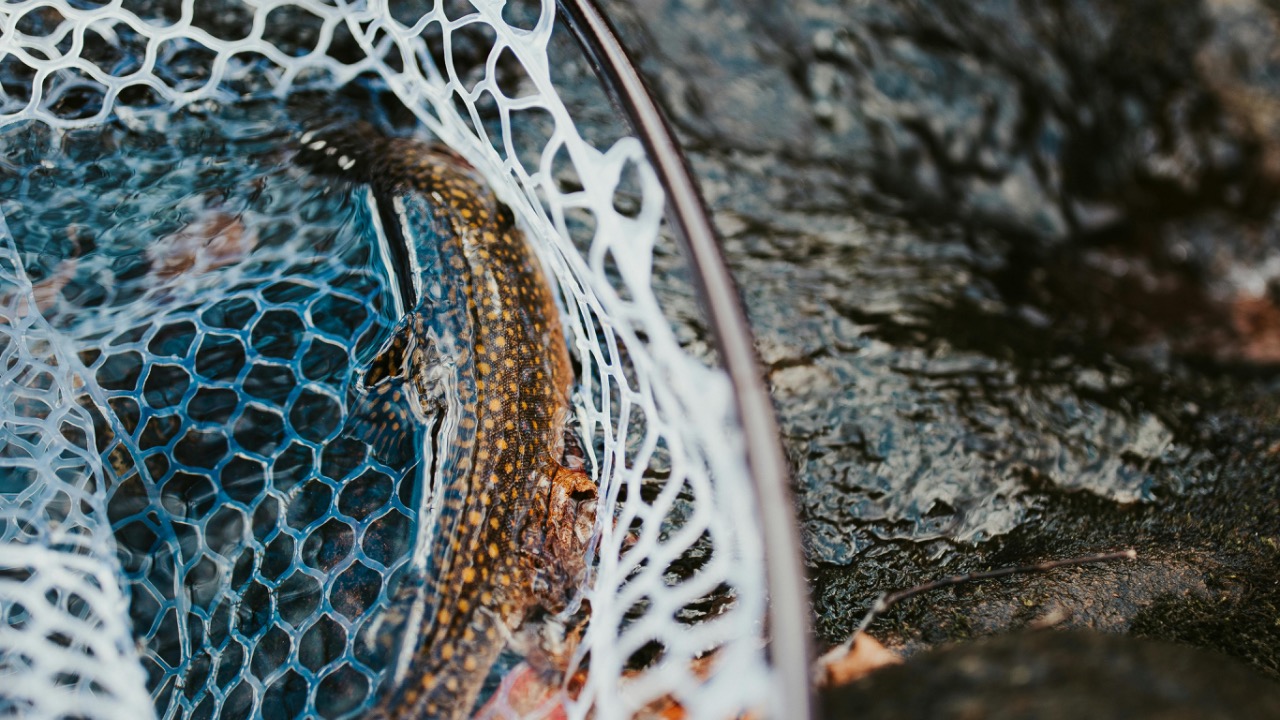
By the time federal biologists focused on the Jarbidge River bull trout, the numbers were already shockingly low. Government records from earlier reviews described a breeding population of only 50, 125 adult fish capable of reproducing, a number that would be alarming even in a small pond, let alone an entire river system. That estimate came more than two decades ago, which means this population has been on the edge for a long time, with very little margin for new harm. When a species is down to scores of adults, every lost spawning season and every degraded stream mile carries outsized weight.
Regulators treated the Jarbidge River bull trout as a distinct group because of its isolation and risk level. The Fish and Wildlife determined that the Jarbidge River population segment met the standard for threatened status, citing its small size and ongoing habitat pressure. That decision recognized that losing this pocket of fish would not just be a local setback, it would erase a unique branch of the species’ genetic tree. With such a small starting point, any new stressor has to be weighed against the real possibility that the population cannot bounce back.
Why bull trout need cold, clean water
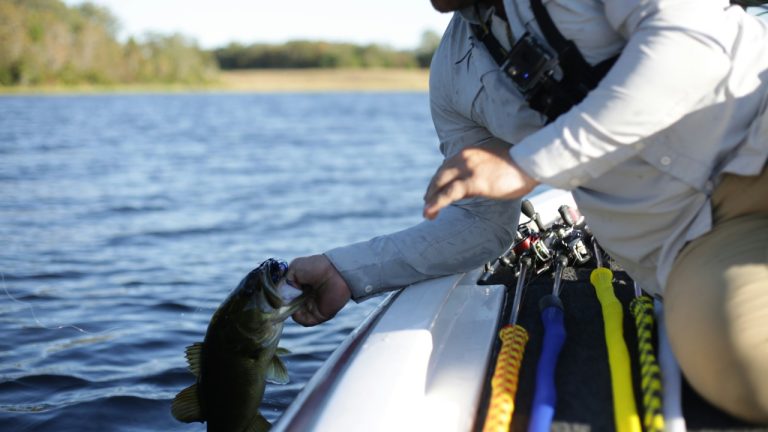
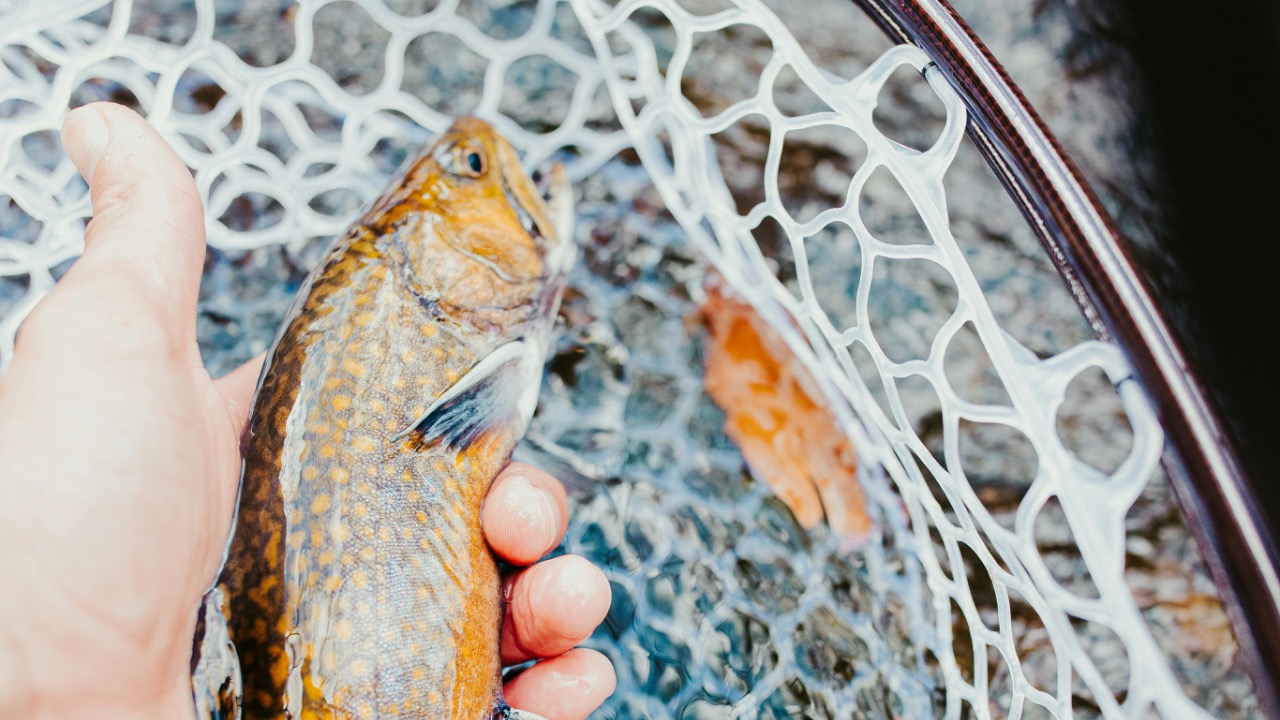
Bull trout are not generalists that can shrug off warmer, murkier streams. They evolved in high mountain waters where summer temperatures stay low, oxygen stays high and streambeds are made of clean gravel rather than fine silt. Federal biologists describe how Bull trout need “cold, clean, complex, and connected” habitat, and that short list explains why they are so sensitive to land use decisions. Warm water acts almost like a slow poison for these fish, weakening them, increasing disease and cutting into spawning success.
They are native to Canada and theted States, and across that wide range they follow the same basic script: migrate into cold tributaries to spawn, rely on deep pools and woody cover, and avoid stretches where sediment buries the gravel they need for eggs. When logging or road building strips shade from the banks, the sun heats the water. When heavy equipment or livestock churn up soil, that sediment washes into the river and settles between gravel stones, smothering eggs and larvae. For a species already pushed into a few strongholds, each new project that warms or muddies a key tributary chips away at the conditions it needs to survive.
How Forest Service projects could heat and choke the river
The Forest Service is moving forward with logging, road work and prescribed burning in the upper watershed, and those activities are not happening in a vacuum. Cutting trees near streams removes the shade that keeps summer water temperatures low, while road building and log hauling can send plumes of sediment downhill into spawning areas. Critics argue that Forest Service logging and burning in the Jarbidge River watershed will raise water temperatures to levels that bull trout cannot tolerate, in effect cooking them out of their last strongholds.
Prescribed fire and thinning are often defended as tools to reduce the risk of catastrophic wildfire, and in some places that argument has merit. In the Jarbidge River drainage, however, the concern is that large, overlapping projects will strip away too much canopy and disturb too much soil at once. When heavy log trucks use dirt roads close to streams, Whenthey drive over those routes they push sediment into nearby channels, clouding the water and filling in pools. In a system already short on cold, deep refuge, that kind of disturbance can turn a marginal reach into a dead zone for a temperature‑sensitive fish.
Legal guardrails under The Endangered Species Act
On paper, The Endangered Species Act sets a clear line that federal agencies are not supposed to cross. The law requires that any action they authorize, fund or carry out cannot “jeopardize” a listed species or destroy or adversely modify its designated critical habitat. In this case, Endangered Species Act is supposed to shield Jarbidge River bull trout from being “cooked into extinction,” as critics put it, by forcing a hard look at how much warming and sediment the fish can withstand.
In practice, that protection depends heavily on how agencies interpret science and risk. The Forest Service and the Fish and Wildlife Service must consult on whether a project will push a species closer to extinction or damage its critical habitat. For a population that once numbered only 50, 125 breeding adults, even modest increases in stream temperature or sediment could qualify as a serious blow. If the consultation process treats those changes as minor or temporary, it risks turning a legal safety net into a rubber stamp.
Decades of concern over grazing and riparian damage
Logging and burning are not the only pressures on the Jarbidge River. Livestock grazing has been a flashpoint for years, as cattle trample streambanks, compact soils and strip away the willows and grasses that shade the water. Earlier legal challenges described how Conservationists sued to remove cattle along the Jarbidge River in Nev, arguing that grazing was eroding banks, lowering water tables and removing riparian vegetation that bull trout need for cover and temperature control.
Groups such as Western Watersheds Project Desert argued that agency grazing plans favored short‑term forage over long‑term stream health. When cattle linger in riparian zones, they not only eat young willows and sedges but also churn up banks, sending more fine sediment into the channel. That chronic pressure, layered on top of logging roads and fire projects, leaves bull trout facing a suite of overlapping impacts rather than a single, isolated threat.
Forest policy shaped for timber and cattle, not fish
Looking at the pattern of decisions, I see a management system that has long prioritized timber and grazing over cold‑water fish. Project documents often highlight board‑feet of timber to be removed or the number of cattle that can graze, while the needs of bull trout are treated as constraints to be minimized. Critics argue that the Jarbidge River plans read as if what is good for cattle and timber is the default, and fish must adapt to whatever conditions are left over.
That mindset shows up in how risk is framed. Warmer water and more sediment are often described as “short‑term” or “localized,” even when they occur in the very reaches bull trout use for spawning and rearing. When the starting population is tiny, short‑term damage can have long‑term consequences, especially if it hits several breeding seasons in a row. Treating bull trout as an afterthought in planning documents sends a signal to staff and permittees that the species is a box to check, not a central value that shapes what work is allowed and where.
Climate change and the loss of high‑elevation refuge
Climate change tightens the vise on bull trout by raising air temperatures and shrinking the cold‑water zones they depend on. As snowpack declines and summers lengthen, high‑elevation forests that once stayed cool are warming, and tree species such as subalpine fir and whitebark pine are losing ground. Reports describe how Subalpine fir, whitebark pine and other high‑elevation trees have been declining across the West, which in turn affects shade, snow retention and the timing of runoff into streams like the Jarbidge River.
When managers add logging and burning into those already stressed forests, they may be removing exactly the stands that help keep water cold late into summer. The loss of canopy and deep root systems can speed up runoff in spring and leave less cool water for the hottest months, when bull trout most need deep, shaded pools. In that context, each project that opens up high‑elevation slopes is not just a local change in vegetation, it is part of a broader shift that is squeezing cold‑water habitat into smaller and more fragmented patches.
Why tiny population numbers change the risk calculus
In a large, healthy fish population, some level of disturbance is inevitable and often survivable. The Jarbidge River bull trout are not in that position. When the best available figures show only 50, 125 adults capable of reproducing, the loss of even a small fraction of spawners or a few years of poor recruitment can push the group into a downward spiral. At that scale, “acceptable” levels of harm in a biological opinion may not be acceptable at all.
Small populations are also more vulnerable to random events, from droughts to debris flows to disease outbreaks. If logging and burning projects increase the odds of severe erosion or higher summer temperatures, they magnify the impact of those random events. For a fish that needs cold, clean, connected habitat, a single landslide or a stretch of overheated water can block movement between spawning and rearing areas. That is why many biologists argue that in places like the Jarbidge River, managers should be adding safety margins, not shaving them down.
What a bull trout‑first approach would look like
If agencies took bull trout needs as the starting point rather than an afterthought, their plans in the Jarbidge River would look very different. Logging would be kept far from streams and key tributaries, with wide no‑cut buffers to preserve shade and bank stability. Road networks would be thinned, not expanded, and any remaining routes near water would be hardened or relocated to reduce sediment. Prescribed burns would be designed to skip riparian corridors and high‑elevation refuges that feed the coldest flows.
Grazing plans would also have to change. Cattle would be fenced out of sensitive reaches during the growing season for riparian plants and during spawning periods for bull trout, and stocking rates would be tied to measurable recovery in streambank condition and water quality. The The Forest Service would need to treat cold‑water habitat as critical infrastructure, not as a side constraint on timber and forage. For a species already listed as threatened under the Endangered Species Act in Idaho, Nevada, California, Oregon and Washington, that kind of shift is not a luxury, it is the only path that leaves room for recovery.

Leo’s been tracking game and tuning gear since he could stand upright. He’s sharp, driven, and knows how to keep things running when conditions turn.