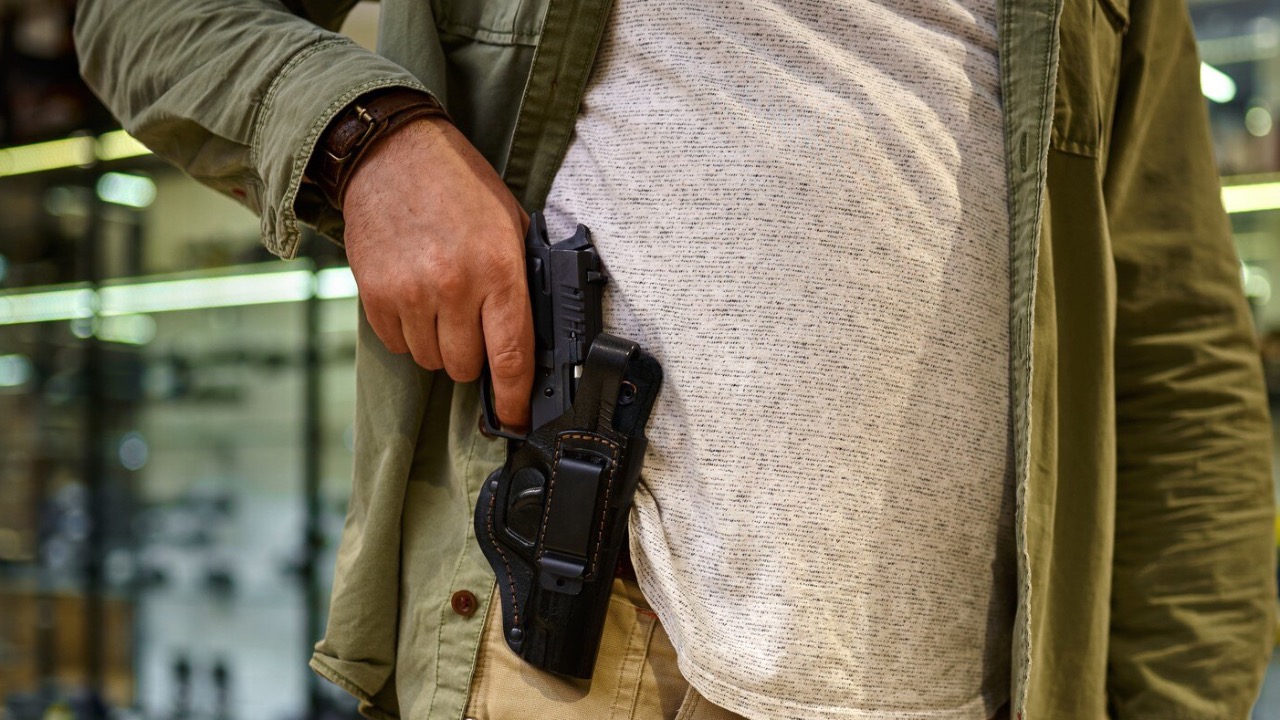
Concealed Carry Permit Applications Increase Amid National Security Concerns
Across the United States, applications for concealed carry permits are climbing again as voters absorb a steady drumbeat of unsettling headlines about crime, political unrest, and global instability. For many applicants, the decision to carry a firearm in public has shifted from a theoretical debate to a personal response to what they see as mounting security risks at home and abroad.
The surge is not uniform, and it plays out differently in Washington, Texas, Oregon, and other states. Still, the pattern is clear: more people are seeking legal permission to carry a gun as a hedge against uncertainty. Their choices are reshaping local politics, law enforcement workloads, and the broader argument over what public safety should look like in an anxious era.
What happened
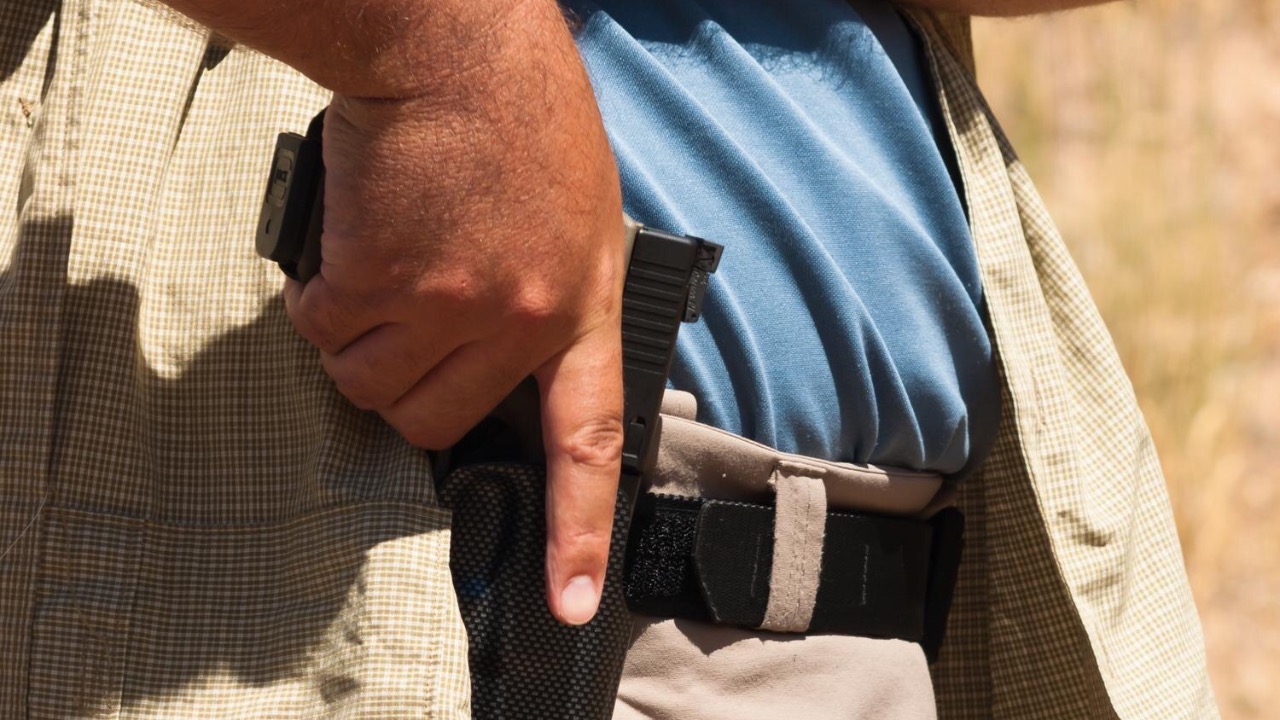
In the District of Columbia, firearm instructors describe a wave of new students who link their decision to apply for a concealed carry license directly to rising violent crime. One instructor told local reporters that a growing share of his clients are first-time gun owners who point to carjackings, robberies, and high-profile homicides as the reason they are now seeking concealed carry permits. Many of these applicants say they previously relied on police presence and neighborhood watch groups, but no longer feel that is enough.
Similar anxiety has surfaced in other cities that experienced unrest and political confrontation. In the Portland metro area, county officials reported a sharp spike in requests for concealed handgun licenses during a period of intense protests and clashes between demonstrators and law enforcement. One Oregon county saw applications more than double compared with prior years as residents cited fears of political violence, property damage, and strained police resources. Local reporting described how the surge in Portland-area applications overwhelmed licensing staff and lengthened wait times for background checks and mandatory training.
Texas provides another example of how quickly demand for permits can accelerate when people feel their environment has changed. State data reviewed by reporters showed that applications for handgun licenses in Texas peaked in 2020, a year marked by the coronavirus pandemic, economic shutdowns, and nationwide protests over police killings. Officials recorded a dramatic jump in the number of Texans seeking legal permission to carry, with some counties processing several times their usual volume of gun permit applications. Gun store owners and instructors described lines out the door, empty shelves, and class rosters filled with people who had never previously considered owning a firearm.
State-level data from earlier cycles show that this pattern is not entirely new. During previous periods of political tension and high-profile violence, local sheriffs in places like North Carolina reported concealed carry permits soaring as residents cited both safety fears and concern over potential changes to gun laws. One mountain county documented a steep increase in applications as residents reacted to mass shootings, national political debates, and speculation about new federal regulations. In Illinois, officials around Chicago described a similar rush, with one sheriff’s office reporting that permit applications were up more than 500 percent during a period of overlapping public health restrictions and protests, as residents lined up to buy firearms and complete the paperwork to carry them legally.
Security concerns are not limited to individuals walking city streets. Lawmakers in Florida have advanced a proposal that would allow armed volunteers to provide security at religious institutions, a move framed explicitly as a response to national worries about attacks on worshippers. A state Senate panel heard testimony about disruptions and threats at churches, including an incident in Minnesota where a disruptive individual forced a service to halt. Supporters of the bill argued that congregations should have the option to train and arm volunteers as part of their security plan, and the panel voted to move the measure on after hearing that armed volunteer security could deter attacks and reassure parishioners.
Beyond domestic crime, broader national security narratives are feeding a sense of vulnerability that filters down to local choices. When governments highlight threats from foreign rivals or supply chain vulnerabilities, some Americans interpret those warnings as signals that they should prepare for instability. For example, China’s decision to tighten control over exports of key rare earth minerals on national security grounds has fueled concern in Washington about the resilience of defense and high-tech manufacturing. Chinese officials framed new licensing rules for rare earth shipments as part of a strategy to protect national security concerns, and those moves have been cited in debates over how dependent the United States should be on foreign suppliers for critical materials.
While the connection between rare earth policy and individual gun ownership is indirect, the messaging is similar: global systems feel fragile, and governments are openly discussing worst-case scenarios. In that climate, a portion of the public responds not only by stocking up on food and generators, but also by seeking concealed carry permits as part of a personal security strategy.
Why it matters
The renewed surge in concealed carry applications matters first because it changes who is armed in public spaces, and how often. In cities like Washington, Portland, and Houston, more residents now carry firearms in grocery stores, parking lots, and on public transit, often after only a few hours of training. Law enforcement leaders must adapt to an environment where a traffic stop or a response to a minor dispute is more likely to involve an armed citizen who believes they are acting in self-defense.
That shift can complicate split-second decision making for officers. When a 911 call reports a person with a gun, dispatchers and responding units now have to consider that the individual might be a licensed carrier rather than an immediate threat. Instructors in the District of Columbia have warned their students that drawing a weapon in a crowded environment can quickly escalate confusion, particularly if multiple armed people arrive at the same scene. The increased presence of legally armed civilians raises the stakes of miscommunication between citizens and police.
The trend also deepens political divisions over what public safety should prioritize. Advocates of expanded carry rights argue that the surge in applications reflects a rational response to rising crime and slow emergency response times. They point to neighborhoods where residents say they no longer feel safe walking to the metro or leaving work after dark, and insist that individuals should not be forced to rely solely on understaffed police departments. In their view, the increase in permits is a form of grassroots security policy, one that empowers ordinary people rather than waiting for city councils or Congress to act.
Opponents counter that more guns in public increase the risk of accidental shootings, domestic disputes that turn deadly, and confrontations that might otherwise end with harsh words instead of bullets. They highlight research linking higher rates of gun carrying to elevated firearm homicide and suicide rates, and warn that inexperienced carriers may overestimate their ability to handle high-stress situations. In places like Portland and Chicago, community leaders have argued that the energy poured into firearms training and licensing would be better spent on de-escalation programs, youth outreach, and mental health services.
Religious institutions sit at the intersection of these arguments. The Florida proposal for armed volunteers at churches illustrates how security fears can reshape spaces that once prided themselves on openness. Supporters see trained volunteers as a necessary adaptation to a world where houses of worship have been targeted by attackers. Critics worry that normalizing armed congregants could change the character of religious gatherings and create new liabilities if a volunteer misreads a situation and fires on an unarmed person. The debate over armed church security reflects a broader question: how much visible force communities should accept in spaces that were once assumed to be safe by default.
Economically, the surge in applications has produced a boom for gun shops, instructors, and shooting ranges. During earlier peaks, such as the 2020 spike in Texas, retailers reported empty display cases and backorders for popular handgun models. Training classes filled weeks in advance as new owners rushed to complete the requirements for a license. Similar patterns appeared in other regions where sheriffs recorded multi-year highs in permit requests. That spending supports local businesses, but it also locks in a larger installed base of firearms that will remain in circulation long after the current wave of anxiety subsides.
The national security dimension adds another layer. When policymakers describe foreign export controls on rare earths or other strategic materials as a threat to defense readiness, they encourage a mindset of self-reliance and contingency planning. Some Americans interpret stories about rare earth controls and supply chain stress as evidence that government institutions might struggle to protect them in a crisis. For a subset of the public, that conclusion feeds directly into a decision to arm themselves and secure a legal permit to carry.
At the same time, the surge in applications strains administrative systems. County clerks and sheriff’s offices must process background checks, schedule fingerprinting, and manage renewal cycles for an expanding pool of license holders. When Portland-area applications spiked, licensing divisions reported longer queues and staffing challenges. In some jurisdictions, delays in processing permits have already prompted lawsuits from applicants who argue that slow paperwork effectively denies them their rights.
The social fabric is affected as well. In neighborhoods where concealed carry becomes common, social norms about conflict can shift. A minor parking dispute or argument at a bar may unfold differently if participants assume that others might be armed. Some residents report feeling safer knowing that law-abiding neighbors carry, while others say the knowledge that more people are armed raises their baseline level of stress. These conflicting perceptions can deepen cultural divides between gun owners and those who prefer stricter controls.
What to watch next
Several key questions will determine how this new wave of permit applications reshapes public life over the next few years. The first is whether crime trends justify or undercut the fears driving people to seek licenses. In Washington, firearm instructors describe students who point to specific incidents of robbery and carjacking as justification for carrying a gun. If local crime data show sustained declines, policymakers may argue that the perceived need for widespread concealed carry is overstated. If violent crime remains elevated, calls for expanded carry rights and faster processing of D.C. permits are likely to intensify.
Second, courts and legislatures will continue to redefine the boundaries of who can carry and where. Some states have moved toward permitless carry, which allows most adults to carry concealed firearms without a license, while others have tightened restrictions on sensitive locations like schools, government buildings, and public transit. The outcome of these debates will shape whether the current surge in applications is a temporary spike or the beginning of a longer-term shift toward broader public carrying.

Leo’s been tracking game and tuning gear since he could stand upright. He’s sharp, driven, and knows how to keep things running when conditions turn.