California Sheriff’s Deputy Killing Leads to Review of Pursuit Tactics
When a sheriff’s deputy dies in the line of duty, the details cut through the noise and leave you thinking about the split-second choices that separate safety from chaos. The October 2025 shooting of Deputy Andrew Nunez in San Bernardino County started with a domestic violence call and ended in a high-speed chase that forced everyone to examine how officers handle fleeing suspects. What happened that afternoon on the 210 Freeway raises real questions about risk, tactics, and the heavy price paid when things escalate fast.
The call that changed everything
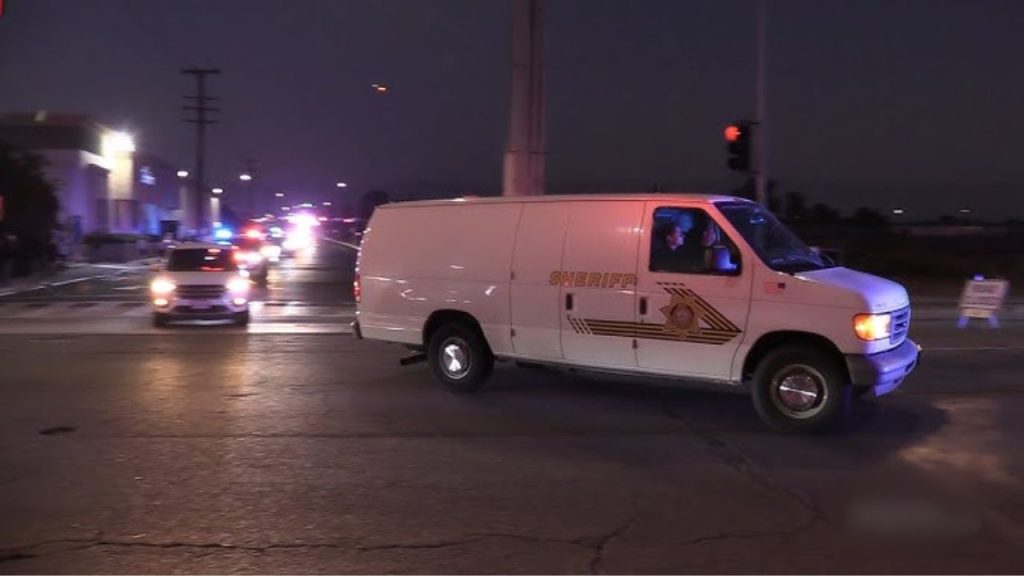
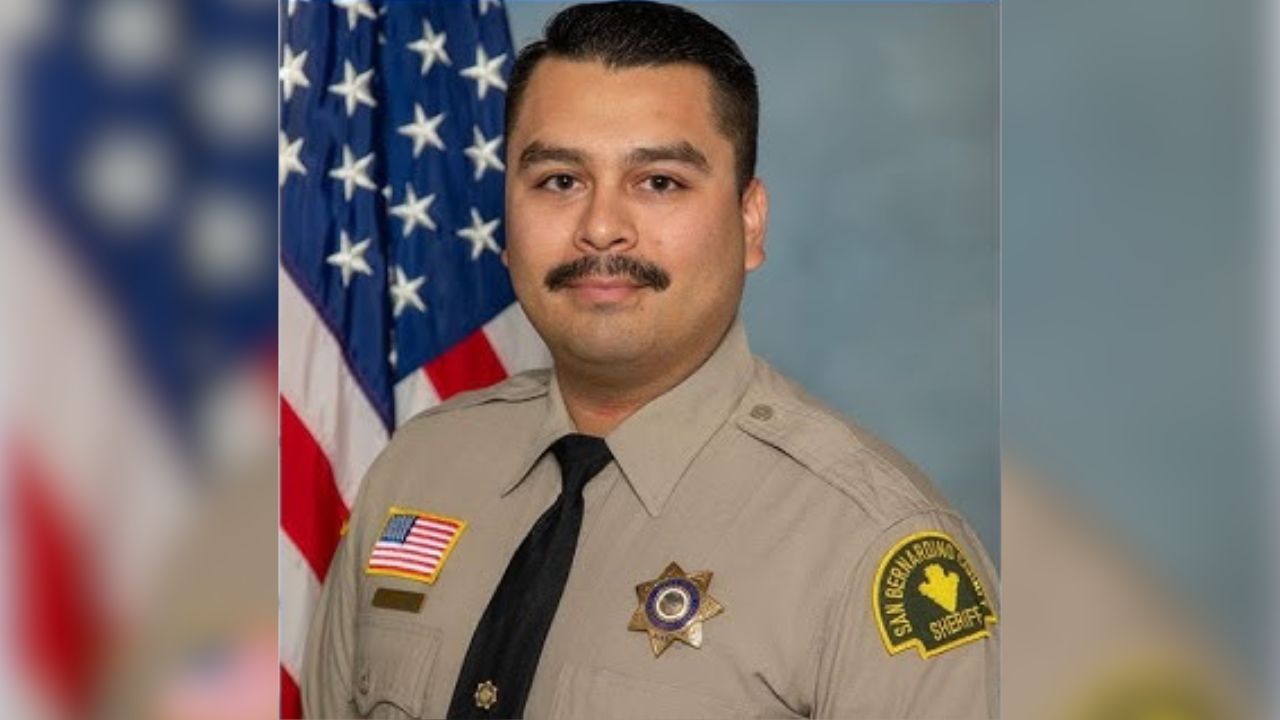
Deputy Andrew Nunez pulled up to the 12300 block of Hollyhock Drive in Rancho Cucamonga around midday on October 27. A woman had reported an armed man making threats. Nunez, who had spent six years with the San Bernardino County Sheriff’s Department, arrived first and stepped into the situation. Within moments gunfire erupted. He was hit, airlifted to Arrowhead Regional Medical Center, and pronounced dead. At 28 years old he left behind a two-year-old daughter and a pregnant wife.
You read those facts and feel the sudden weight. Domestic calls already carry uncertainty. This one turned fatal in seconds, reminding everyone that officers walk into unknown danger with little time to weigh options. The community and the department both felt the loss immediately.
A suspect on the run
The man accused of the shooting, 47-year-old Angelo Jose Saldivar of San Bernardino, did not stick around. He jumped on a motorcycle and took off. Law enforcement had a clear suspect and a fast-moving target. The pursuit kicked off roughly an hour after the shooting, pulling in multiple agencies as the motorcycle wove through traffic.
You picture the scene unfolding live. A single rider on a bike can slip through gaps that a patrol car cannot. Saldivar’s choice to flee turned a contained incident into something that threatened everyone sharing the road. The stakes climbed with every mile.
Speeds that tested the limits
Once on the 210 Freeway the motorcycle hit speeds over 150 miles per hour and at times neared 200. Drivers in the area had no warning. Helicopter footage captured the chase as it snaked eastbound and briefly reversed direction. At one point the suspect came dangerously close to a California Highway Patrol motorcycle officer trying to stay with him.
Those numbers stay with you. Freeways move fast on a normal day. Add a rider pushing those extremes and the margin for error disappears. Officers had to balance stopping the threat against the very real chance of a crash involving innocent people.
The intervention that stopped the chase
Near Upland an off-duty sheriff’s deputy saw the pursuit in his rearview mirror and made a quick decision. He put himself on duty and used his unmarked vehicle to strike the motorcycle in what officials called a legal intervention. The bike went down at about 70 miles per hour. Saldivar flew over the handlebars and landed hard but survived long enough to reach the hospital in stable condition.
You watch the footage and understand the calculation. The move ended the immediate danger to the public. It also put the off-duty deputy in harm’s way. The sheriff later recognized the action, noting it protected other motorists on a crowded freeway.
Experts break down the risks
Retired police chief and criminal justice professor Dr. Tommy Tunson described motorcycle pursuits as among the most dangerous officers face. Vision is limited by helmets and speed. Situational awareness becomes critical when the suspect pulls a gun or takes both hands off the controls. Tunson pointed out that the CHP officer closed the gap carefully to confirm identity without creating more problems.
Listening to that analysis helps you see the layers. Tactics that work in a car chase feel different on two wheels. Every choice carries extra weight because the rider has less protection and more ways to lose control.
Scrutiny falls on the tactics
The district attorney’s office launched a parallel investigation into the lethal-force encounter that ended the pursuit. Officials reviewed the intervention alongside the original shooting. Sheriff Shannon Dicus spoke openly about the sorrow in the department and the need to bring the suspect to justice while caring for Nunez’s family. The case drew attention to how agencies decide when and how to stop a chase.
You sense the shift in focus. One tragic event pushes departments to look harder at their procedures. The review does not rewrite policy overnight, but it forces conversations about balancing speed, public safety, and officer safety.
Charges and the road ahead
Saldivar appeared in court and pleaded not guilty to murder and related charges. The district attorney moved quickly to file, citing the officer’s death and the domestic violence element. The legal process continues while the sheriff’s department and outside investigators keep working.
These steps matter to you because they represent accountability. The system moves deliberately after the chaos. Families wait for answers and officers watch to see how similar calls will be handled next time.
The family left to carry on
Deputy Nunez’s wife and young daughter now face life without him. The sheriff described the department’s commitment to supporting them through the loss. Colleagues remembered his dedication and the compassion he brought to the job.
You think about those private moments that never make the headlines. A two-year-old who will grow up hearing stories about her father. A new baby who will never meet him. The department’s public statements carry quiet respect for that reality.
Lessons that linger after the sirens fade
The entire sequence from the domestic call to the freeway crash leaves people reflecting on preparation and response. High-speed motorcycle pursuits test policies written for calmer conditions. Officers train for the unexpected, yet each incident adds another data point to the conversation.
You close the coverage with a clearer sense of the trade-offs. Protecting the public sometimes means taking calculated risks. The review of what happened that October afternoon will shape future decisions, even if the changes come slowly. In the end the focus stays on the deputy who answered the call and the community that lost him.

Asher was raised in the woods and on the water, and it shows. He’s logged more hours behind a rifle and under a heavy pack than most men twice his age.