The Long Road to Reintroducing Grizzly Bears in Washington State
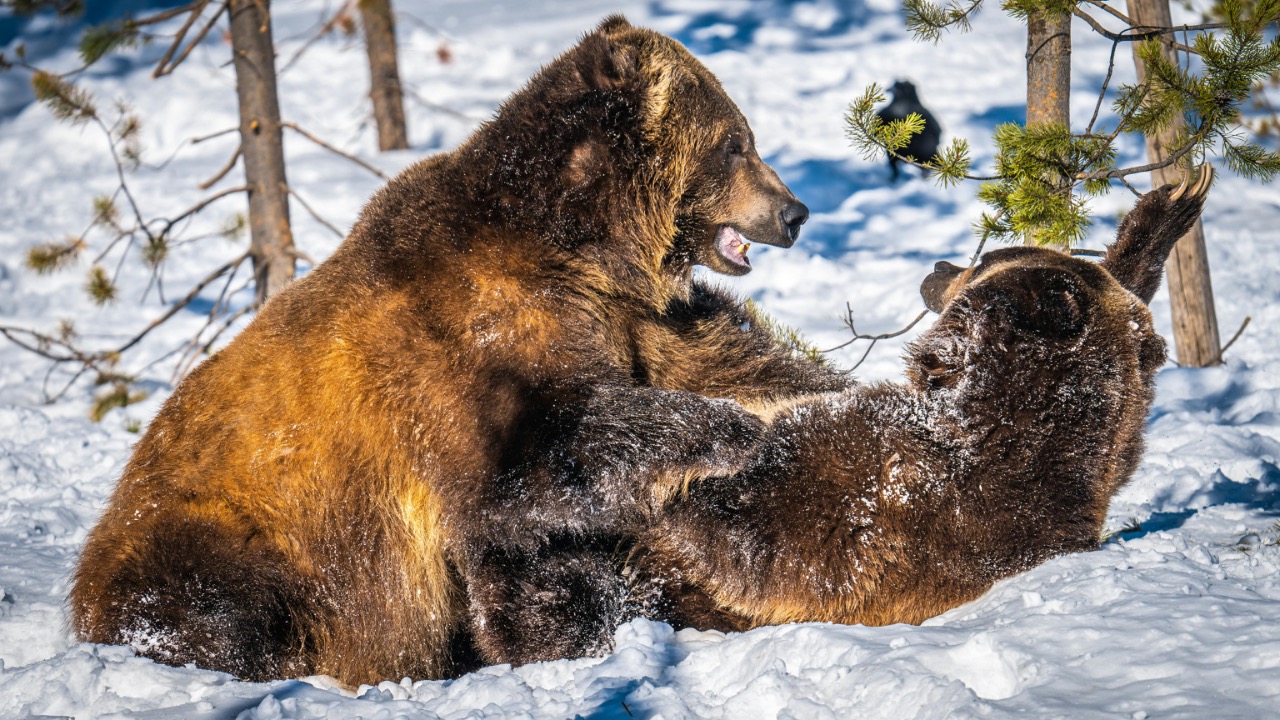
Washington has been talking about bringing grizzly bears back for decades, and the conversation hasn’t cooled off. You’re looking at a species that once ranged across much of the state, then disappeared as settlement, trapping, and predator control pushed them out. Now, with habitat still intact in places like the North Cascades, the idea of restoration keeps resurfacing.
What makes this effort different from most wildlife projects is how many layers it carries. Science, politics, public safety concerns, and tribal rights all sit on top of each other. Nothing moves fast, and nothing moves without pushback. Here’s where the effort stands and why it has taken so long to get here.
A Species Gone From Washington for Over a Century

Grizzlies once roamed most of Washington, from low valleys to high alpine country. By the early 1900s, they were effectively gone from the state, removed through hunting, trapping, and widespread conflict with early settlers protecting livestock and land.
What remains now is a memory of range rather than a living population. A few bears still move in from British Columbia, but there’s no established breeding population in Washington. That absence is the starting point for any reintroduction talk today, and it shapes every decision that follows.
Why the North Cascades Keep Coming Up
The North Cascades stand out because they still hold large blocks of remote, rugged habitat. You’ve got deep timber, alpine terrain, and limited road access in many areas. On paper, it checks the boxes for grizzly recovery.
Wildlife managers have pointed to this region for years as one of the most suitable places for restoration in the Lower 48. Still, suitability doesn’t remove human concerns. People live, hunt, and recreate around the edges of this ecosystem, and that overlap drives much of the debate over whether bears can realistically be returned here.
Federal Agencies Driving the Process
The U.S. Fish and Wildlife Service and the National Park Service have been the main agencies leading the discussion. They’ve spent years studying whether grizzly reintroduction in the North Cascades is feasible under the Endangered Species Act.
Their work has included public scoping, scientific review, and long-term planning documents. You’re dealing with a federal process that moves in measured steps, often taking years between phases. Even when recommendations are made, they don’t automatically turn into action on the ground.
Environmental Review and Reintroduction Options
A draft environmental impact statement has laid out possible paths forward, including active reintroduction of a small number of bears or allowing natural recolonization from British Columbia. Each option carries different risks and outcomes.
The active reintroduction plan has generally focused on a limited population size, with bears brought in over time and closely monitored. Even then, nothing is final until a record of decision is issued. As of now, the process is still under review, and implementation has not moved forward.
Tribal Nations and Longstanding Stewardship
Tribal nations in Washington have a deep historical connection to grizzly bears, both culturally and ecologically. Many tribes view the species as part of a landscape that was never meant to be without them.
At the same time, perspectives are not identical across all groups. Some support reintroduction as restoration of balance, while others raise concerns about safety, land use, and local impacts. That range of views plays a key role in shaping how any final decision is approached.
Livestock Concerns and Rural Pushback
Ranchers and rural landowners have been among the most vocal voices in the discussion. The main concern centers on livestock losses and the challenge of managing large predators in working landscapes.
Even with modern conflict mitigation tools—electric fencing, range riders, compensation programs—there’s still uncertainty about how bears would behave in mixed-use areas. That uncertainty keeps opposition strong in some communities, especially where livestock production is a key part of local economies.
Population Challenges and Isolation
One of the biggest biological hurdles is isolation. The North Cascades grizzly population would be small at the start, with limited connection to larger populations in Canada or the Northern Rockies.
That raises questions about long-term genetic health and whether the population could sustain itself without additional management. Wildlife biologists have pointed out that recovery isn’t just about releasing bears—it’s about whether they can persist across generations in a fragmented landscape.
Public Opinion Divided Across the State
Across Washington, opinions on grizzly recovery are split. Some see it as a necessary step toward restoring ecological balance, especially in remote public lands. Others worry about safety, recreation impacts, and uncertainty around living with large predators again.
That divide shows up in public comment periods and local meetings. You’re not dealing with a single unified stance, which makes consensus difficult. Any decision has to move through that layered public response, not around it.
Where the Effort Stands Today
Right now, grizzly reintroduction in Washington hasn’t happened. The process is still in the planning and review stage, with no bears released and no final implementation underway.
What you’re looking at is a long-running federal proposal that’s still waiting for a final decision. Until that happens, the North Cascades remain potential habitat on paper, not an active recovery site on the ground.

Asher was raised in the woods and on the water, and it shows. He’s logged more hours behind a rifle and under a heavy pack than most men twice his age.