Landowner Says Hunters Cut Through His Fence Instead of Using the Gate
A rural landowner is raising concerns after discovering that hunters allegedly cut through a section of his fence instead of using a clearly marked gate to access the property, sparking renewed discussion about respect for private land during hunting season.
The incident, which occurred on private rural acreage used for livestock and seasonal hunting leases, has frustrated the property owner, who says the damage created both a safety risk and an unnecessary repair cost.
Fence Damage Raises Safety Concerns
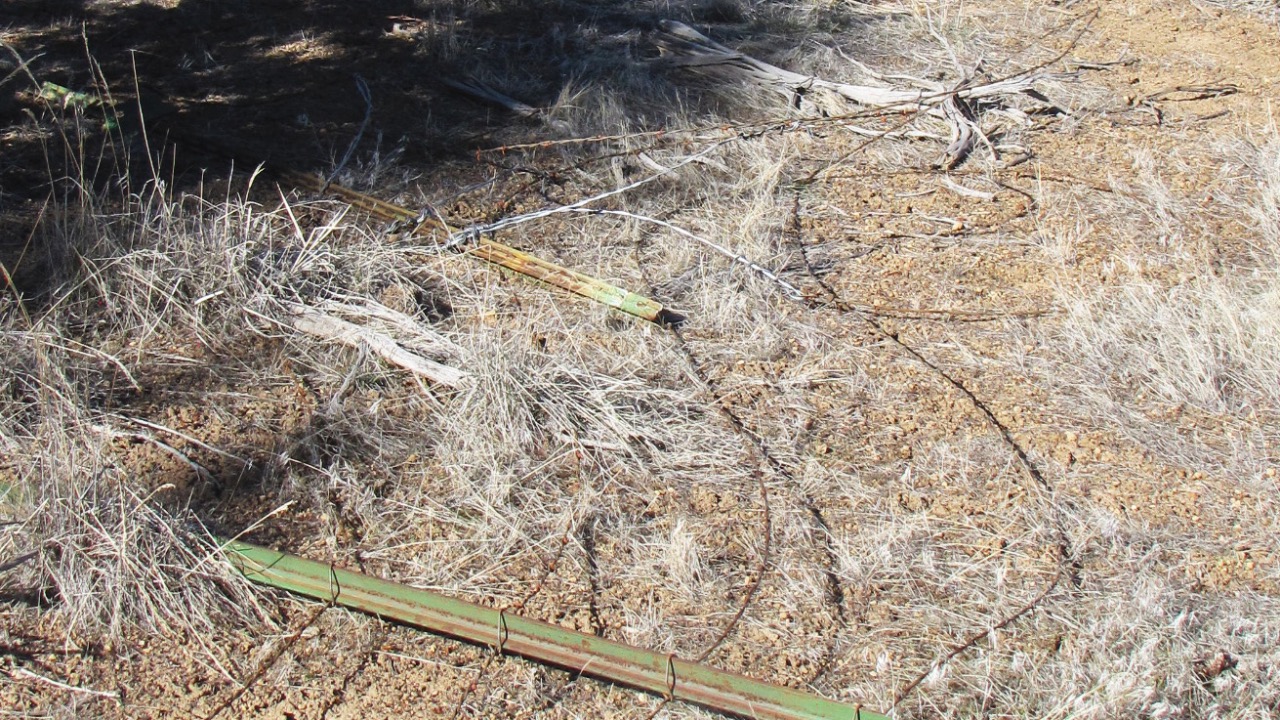
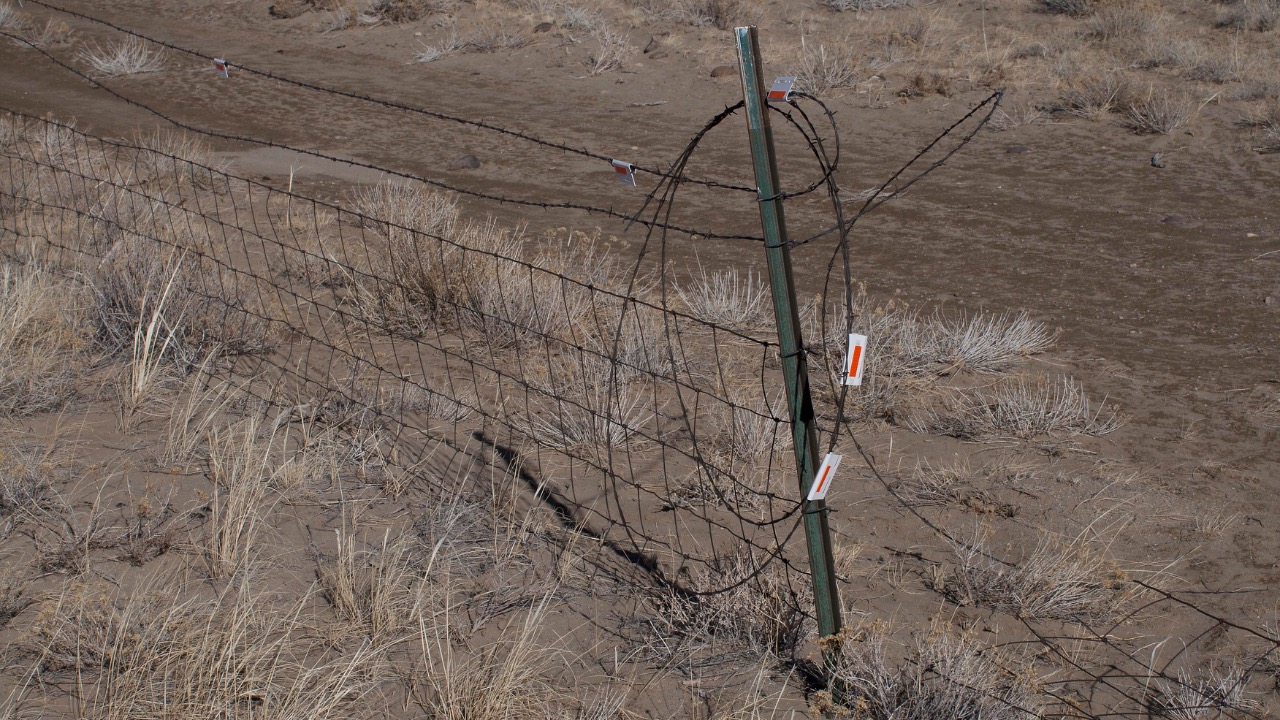
According to the landowner, the fence was cut in multiple places, creating gaps that could allow livestock to escape and wildlife to enter sensitive areas of the property. In rural operations, even small breaches in fencing can lead to significant disruptions, especially when cattle or other animals are involved.
Beyond the financial impact, the landowner emphasized that unauthorized entry points increase the risk of accidents, particularly during hunting season when visibility and movement across terrain are already limited.
Hunters Allegedly Ignored Clearly Marked Access Point
The property owner says a designated gate and posted signage were available for legal access, but that hunters instead chose a more direct route through the fence line.
While it is unclear whether the individuals involved were part of a permitted hunting group or trespassers, the damage has raised concerns about communication and compliance with property rules in rural hunting areas.
Rural Tensions Over Land Access
Incidents like this highlight an ongoing tension in rural communities between landowners and hunters. Many landowners allow seasonal hunting access under specific conditions, including designated entry points, permits, and safety guidelines.
When those rules are ignored, it can strain relationships and lead to stricter access policies in the future, including revoked hunting permissions or increased surveillance of property boundaries.
Legal and Ethical Considerations
In most states, damaging a fence on private property can be considered criminal mischief or trespassing, depending on intent and circumstances. Wildlife officials and local law enforcement often encourage hunters to clarify access routes in advance and respect all posted boundaries.
Ethically, hunting organizations consistently emphasize the importance of respecting landowner agreements, maintaining gates, and minimizing damage to infrastructure.
Calls for Better Communication
Some local hunting advocates say incidents like this are often the result of misunderstanding rather than intentional harm, and stress the importance of clear communication between landowners and hunting parties.
Still, landowners argue that regardless of intent, the responsibility remains with hunters to follow agreed-upon access rules.
Bottom Line
The fence damage has reignited conversation about respect for private land during hunting season. While the incident may appear isolated, it reflects a broader rural issue: maintaining trust between landowners and those granted access to their property.

Leo’s been tracking game and tuning gear since he could stand upright. He’s sharp, driven, and knows how to keep things running when conditions turn.