Drone Use for Wounded Deer Recovery Now Legal in Louisiana—But With Strict New Rules
Hunters across Louisiana who track game through swamps and dense underbrush know how tough it can be to find an animal after a solid shot. Starting with the 2026-27 season, state regulators have opened the door to drone assistance for recovering mortally wounded deer and bears. The Louisiana Wildlife and Fisheries Commission approved the updates in February after weighing how everyday technology has changed the hunting landscape. The goal remains the same as always: get to the animal quickly to end suffering and make the most of a legal harvest. At the same time, officials built in clear boundaries so the practice stays ethical and stays far away from any hint of airborne hunting.
The shift that changed recovery options
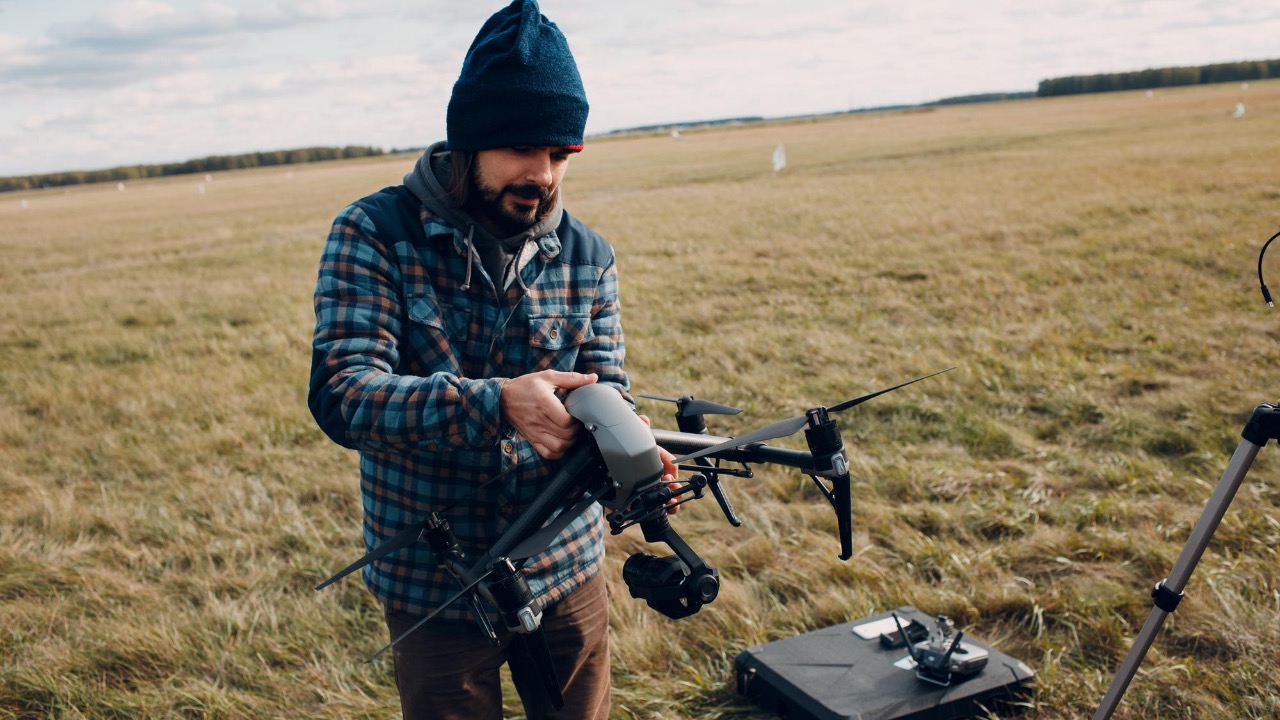
State wildlife rules used to ban drones outright for any part of deer or bear recovery. That blanket prohibition left many hunters frustrated when blood trails vanished into thick vegetation or night fell. The new language now carves out a narrow exception for mortally wounded animals that hunters have already shot during legal hours. You can deploy a drone afterward to help locate the carcass or the animal that needs dispatching on the ground. Regulators made the change because more people own drones and want to use them responsibly. The commission listened to hunters who described long, fruitless searches that waste time and sometimes result in lost game.
This adjustment does not rewrite the entire rule book. It simply gives you one extra tool once the shot has been taken and the legal window for hunting has closed. The focus stays on finishing what you started in the field rather than scouting or pursuing live animals.
Exactly what the rules permit you to do
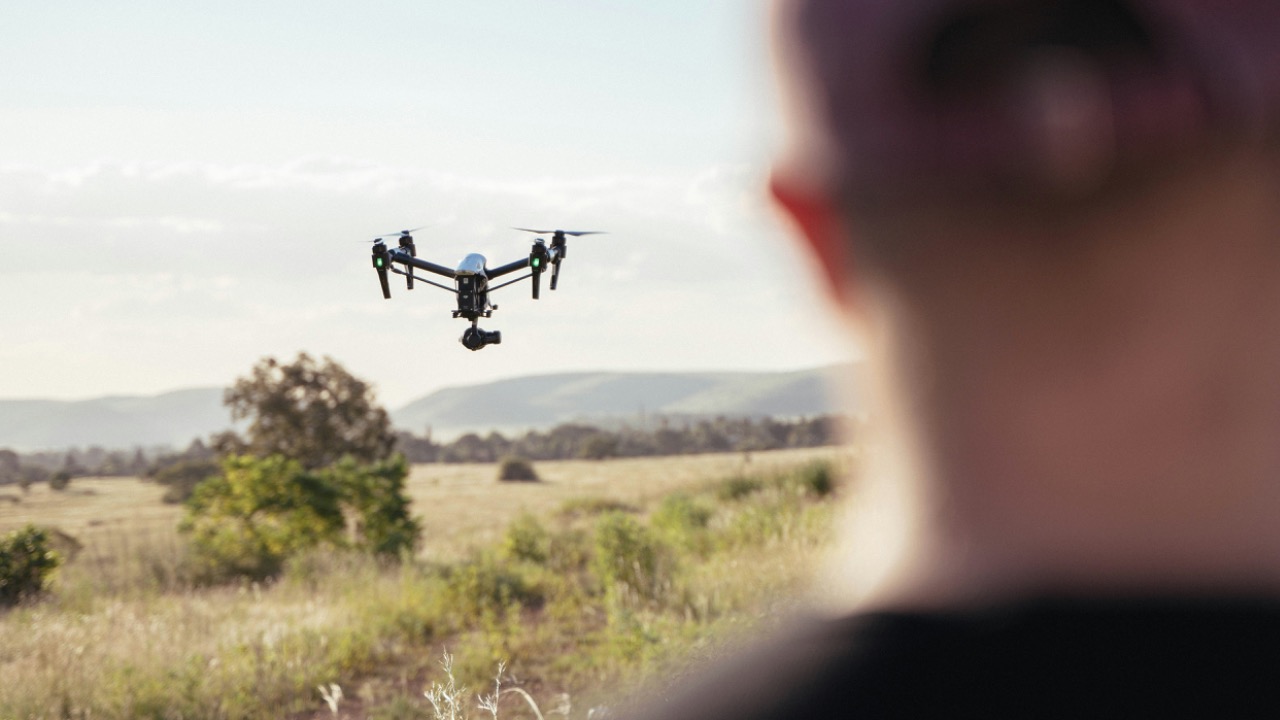
You may fly a drone to search for deer or bears that you or another permitted hunter shot earlier in the day. The animal must qualify as mortally wounded from that legal harvest. Drones stay grounded during active hunting hours so nobody confuses recovery with pursuit. Once you locate the target, you still walk in on foot to tag it and retrieve it. The drone does the looking; your boots do the work. This setup keeps the recovery process hands-on while shortening the search in places where following a trail on foot takes hours or proves impossible.
The commission emphasized that the drone serves only as an aid after the fact. You cannot use it to guide a shot or to keep an animal in sight while you reposition. Everything begins and ends with the original legal shot taken from the ground during the proper season and time.
Staying clear of federal restrictions
Federal law has banned hunting or harassing wildlife from aircraft since 1956. Louisiana regulators spent time making sure their drone exception does not cross that line. The updated rules spell out that you must stop flying the moment you spot any animal that looks healthy or only lightly wounded. You cannot pass along coordinates or any other information that might help someone take another shot. Infrared and lights are allowed solely to confirm death or mortal injury. If the animal shows no sign of distress, you leave the area immediately and keep the sighting to yourself.
These guardrails protect both the spirit of fair chase and the legal standing of every hunter involved. The commission worked with its legal team to close any gray areas that could invite federal scrutiny later.
Why drone operators need FAA credentials
Anyone who flies for recovery must hold a current FAA remote pilot certificate. That means passing the unmanned aircraft general knowledge test and keeping the certification active. Registration of the specific drone is also required. The process costs about $175 for the initial exam plus a small renewal fee every three years. Officials chose this requirement because it ensures operators understand airspace rules, safety protocols, and privacy considerations that apply statewide.
You cannot hand the controller to a friend who lacks the credential and expect the flight to stay legal. The rule ties responsibility directly to the certified pilot so everyone knows who is accountable if something goes wrong. It also raises the bar above casual backyard flying and treats the recovery effort with the seriousness it deserves.
Equipment that meets the standards
Drones used for this purpose need lights and infrared or thermal cameras. These tools let you tell whether the animal has expired or still needs a follow-up dispatch on the ground. Without that capability, the flight would violate the terms of the new rule. You cannot rely on visual line of sight alone in thick cover or after dark. The commission expects operators to verify the animal’s condition before anyone moves in to retrieve it.
Basic consumer drones without proper imaging gear will not qualify. You must select and equip your aircraft accordingly so the entire operation stays within the narrow recovery window regulators have defined.
Timing your flights outside hunting hours
You wait until official hunting hours end for the day before launching. That timing prevents any overlap between active pursuit and recovery work. Most hunters already finish their searches after sunset anyway, so the rule lines up with common practice in many parts of the state. Dawn flights the next morning are also off limits if hunting hours have resumed. The window opens again only after the legal period closes.
This schedule keeps drones from interfering with other hunters who are still in the woods. It also reinforces the message that the technology supports retrieval, not the hunt itself.
What to do when you spot a healthy animal
The rules are blunt on this point. If your camera shows an animal that is alert and mobile, you shut down the flight and move on. You do not circle for a better look. You do not text or call anyone with the location. Sharing that information could be viewed as assisting in the take of game, which crosses back into prohibited territory. The commission built this requirement to protect live wildlife from indirect pressure.
Hunters who respect the boundary keep both their license and their reputation intact. Ignoring it risks fines and possible loss of hunting privileges.
Real benefits hunters are already noting
Shorter recovery times mean less stress on the animal and less meat lost to spoilage or scavengers. In Louisiana’s humid, brush-choked terrain, that difference can be significant. Many hunters report that drones have already helped them close the gap on blood trails that disappeared into palmetto thickets or flooded bottoms. The practice also encourages more selective shots because hunters know they have a better chance of finding the animal afterward.
The change supports the broader ethic of full utilization that most Louisiana sportsmen already follow. When you recover what you harvest, you waste less and honor the resource more completely.
Practical steps before you head out
Check the latest season regulations on the Louisiana Department of Wildlife and Fisheries website before every trip. Confirm that your drone setup meets the imaging requirements and that your FAA certificate is current. Talk with the landowner if you are on private property so everyone understands the plan. Keep a log of your flights in case questions ever arise later. Most important, treat the drone as a recovery aid rather than a shortcut. When used within the lines the commission drew, it becomes one more responsible option in your kit for making the most of a clean harvest.

Asher was raised in the woods and on the water, and it shows. He’s logged more hours behind a rifle and under a heavy pack than most men twice his age.