Navy Acknowledges Loss of $240 Million Drone in Trump-Era Military Operation Described as Mishap
The U.S. Navy has publicly confirmed the loss of an MQ-4C Triton surveillance drone during operations connected to the current administration’s activities in the Middle East. The aircraft, which carries a price tag of roughly $240 million, went down on April 9 in what the service officially labeled a mishap. Reports from the Naval Safety Command list it as a Class A incident, meaning the aircraft was destroyed with damages exceeding millions and no injuries to anyone involved. Location details stay classified for operational security reasons, leaving many questions open about exactly how events unfolded amid regional tensions.
This acknowledgment arrives at a time when unmanned systems play an increasingly central part in how the Navy gathers intelligence across wide ocean areas. The Triton incident stands out because it marks the first known total loss of one of these platforms since they entered service in 2018.
What the MQ-4C Triton actually delivers in the field
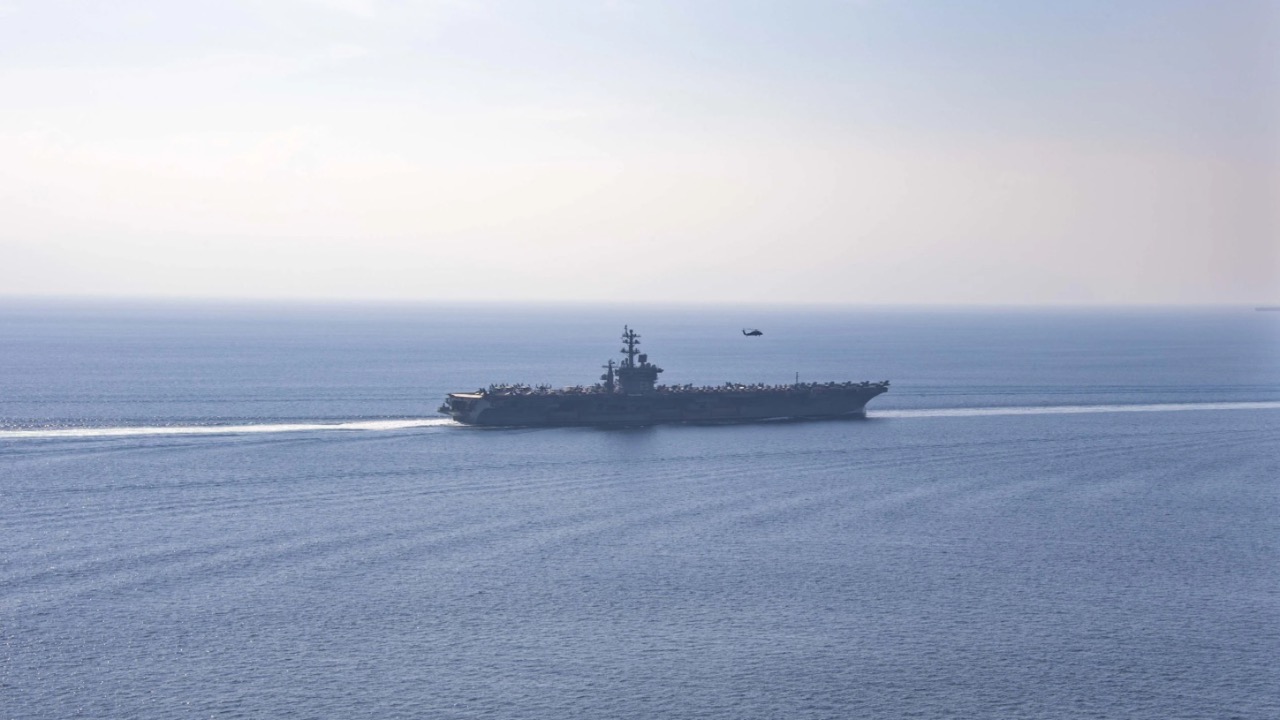
You count on platforms like this for persistent coverage where manned aircraft would face higher risks. The Triton operates well above 50,000 feet and can remain aloft for more than 24 hours straight. Its sensors sweep across huge stretches of water, collecting data on ships, weather patterns, and potential threats in real time. That information flows directly to command centers and complements the work of crewed P-8 Poseidon patrol planes.
Naval planners designed the system specifically for broad-area maritime surveillance. In practice, it means fewer gaps in coverage over critical routes like those in the Persian Gulf. The Navy fields around 20 of these aircraft, each one a major investment in keeping watch without putting pilots in harm’s way.
How the Navy handled the public disclosure
The service released the news through its regular mishap summary rather than a standalone statement. The April 9 entry simply notes that the MQ-4C crashed, with the exact spot withheld. Officials classified the event as Class A because the aircraft was a total loss. No one on the ground or in the air suffered harm, and the report avoids speculating on any cause.
This approach follows standard procedure for aviation incidents. The Naval Safety Command compiles these updates to track trends and improve safety across the fleet. By keeping the release low-key, the Navy maintains focus on the facts while protecting sensitive details about ongoing missions.
The setting of the operation itself
Tensions in the Persian Gulf had been running high for weeks around the time of the crash. The drone was supporting broader efforts tied to the administration’s regional strategy. Operations there often involve monitoring shipping lanes and responding to threats near the Strait of Hormuz, a chokepoint for global energy flows.
The Navy had deployed Tritons to the area before to extend surveillance reach. On April 9 the aircraft was flying a routine mission when contact ended. Public flight trackers had shown it active earlier that day before it vanished from screens. The service has not released further operational context beyond confirming the mishap occurred.
Why the loss registers as more than routine
Losing any major asset affects readiness, but the Triton’s capabilities make this one stand out. These drones provide the kind of continuous intelligence that shapes decisions on everything from fleet movements to threat assessments. Replacing the aircraft will take time, given the production schedule and the specialized training required for crews and maintainers.
The Navy has invested heavily in expanding its unmanned fleet precisely because it reduces risk to personnel. When one disappears, planners must adjust coverage in the short term while investigations run their course. The incident also prompts fresh reviews of how these systems perform under real-world stresses.
The dollars and logistics behind each Triton
At around $240 million per unit, the Triton sits among the most expensive unmanned aircraft in the inventory. That figure covers the airframe, sensors, and integration work needed to make it operational. The Navy’s current fleet of roughly 20 reflects years of procurement and testing that began well before the current administration took office.
Budget watchers note that such costs ripple through maintenance, spare parts, and support infrastructure. A single loss forces reallocations elsewhere in the unmanned program. Officials will now weigh whether to accelerate future orders or shift resources while the investigation clarifies what happened.
The place of high-altitude drones in today’s Navy
You see these systems as force multipliers that let commanders see farther and stay informed longer. The Triton was built to fill gaps that satellites and manned planes cannot always cover in contested airspace. Its altitude and endurance let it loiter safely while feeding data that informs everything from strike planning to routine patrols.
Recent years have shown how unmanned assets change the tempo of operations. They allow sustained presence without the fatigue or exposure that comes with crewed flights. The loss underscores both the value and the vulnerability of relying on advanced technology in dynamic environments.
What the Navy faces in the weeks ahead
Investigators are already examining data logs and any recovered signals to determine the exact sequence of events. The service will update its mishap reports as more details emerge, though operational security will continue to limit public information. In the meantime, other Tritons remain active in the region, and commanders are adjusting flight profiles accordingly.
The broader fleet continues its missions, but the incident serves as a reminder that even sophisticated platforms encounter unexpected challenges. The Navy’s response will likely focus on strengthening procedures so that future operations maintain the same level of effectiveness without repeating this outcome.

Asher was raised in the woods and on the water, and it shows. He’s logged more hours behind a rifle and under a heavy pack than most men twice his age.