The invasive species officials now want Americans to start eating
Across the United States, a quiet shift is reshaping what belongs on the dinner table. Instead of warning residents away from certain wild animals, federal and state officials are now urging them to hunt, catch, cook and eat a growing list of invasive species that are tearing up wetlands, devouring native fish and destroying crops. The idea is simple but radical for American diners: turn ecological villains into dinner, and use appetite as a tool of conservation.
The U.S. Fish and Wildlife Service has gone so far as to package this approach as a kind of culinary public service, highlighting animals that biologists say are both destructive and, in many cases, “downright delicious.” From giant swamp rodents to air‑breathing fish and feral hogs, agencies want Americans to see these invaders not as curiosities, but as protein that can help restore battered ecosystems if enough people are willing to put them on the menu.
Why officials want people to eat invaders
The modern push to eat invasive species is rooted in a blunt ecological problem. Non‑native animals that escape captivity or are released into the wild often arrive without the predators, diseases or competitors that kept their numbers in check in their home ranges. The result is explosive population growth that can strip wetlands, crowd out native fish and amphibians, and cause millions of dollars in damage to farms and infrastructure.
Faced with that reality, the U.S. Fish and Wildlife Service has begun promoting what it calls “Eat the Invaders,” a campaign that treats wild game suppers as a form of habitat restoration. The agency has highlighted that feral hog huntingis encouraged in many states, and that hunters who take those animals home for the freezer are “doing conservation work” as long as they do it safely and effectively. The same outreach describes invasive meat as some of the most sustainable protein available, precisely because removing an invader benefits the landscape twice: it feeds people and spares native species.
During National Invasive Species Awareness Week, the Fish and Wildlife Service used its national platform to spotlight animals that biologists say humans can eat in order to help control their numbers. Agency staff described a list of species that are legal to harvest and edible, including nutria, Northern Snakehead, invasive carp and feral hogs, and encouraged the public to treat that list as a kind of conservation shopping guide. A related summary of the effort explained that the campaign is meant to connect everyday food choices to the health of rivers, wetlands and forests, and to give hunters and anglers a clear signal that targeting invaders is not just allowed but welcomed.
Other officials have adopted similar language. In a national overview of the issue, one report described how Americans are being urged to hunt, cook and eat a range of invasive animals, and invited readers to “check out these five” species that experts say are both harmful and tasty. That list begins with nutria and extends to other non‑native creatures that have become entrenched in U.S. ecosystems, with each entry framed as a way for residents to support local food systems while helping to reduce ecological damage.
Nutria: the “invasive and delicious” swamp rodent
No animal captures the tension between revulsion and appetite quite like the nutria. The species, known scientifically as Nutria (Myocastor coypus), is a large, wetland‑dwelling rodent that was brought to the United States in the early 1900s for the fur trade. Native to South America, nutria were farmed for pelts, then escaped or were released, and quickly established breeding populations in marshes and bayous. Today they are invasive inhabitants of the Gulf Coast, the Atlantic Coast and other low‑lying regions, where their burrowing and feeding habits carve out the roots that hold wetlands together.
Biologists have documented how nutria chew through marsh vegetation, weakening levees and accelerating erosion that threatens coastal communities. Their underground tunnels can undermine roads and irrigation canals, and their appetite for young plants can wipe out restoration projects that are meant to buffer storm surge. The scale of the problem has grown so severe that federal conservationists now describe nutria as one of the most damaging wetland invaders in the country.
In response, the Fish and Wildlife Service has recast nutria as an opportunity for hunters and chefs. Agency materials describe nutria meat as some of the “most sustainable” invasive meat available, and highlight its lean, mild character as a selling point. A detailed feature on the campaign notes that nutria is one of five edible creatures that conservationists are hoping hunters will help eradicate, and quotes the agency urging the public to “put them on the menu.” The same reporting explains that the federal government is effectively begging people to eat this massive harmful rodent species, not as a stunt but as a serious management tool.
Food writers and wild‑game enthusiasts have echoed that pitch. One widely shared guide to invasive species dining describes nutria as a surprisingly versatile protein that can stand in for rabbit or dark chicken meat in stews, tacos and sausages. The guide, which lists “Invasive Species Americans Should Be Eating,” frames nutria as part of a broader movement to treat non‑native animals as ingredients rather than nuisances. Photographs in that coverage show the animal’s unglamorous appearance, yet the text emphasizes that nutria is lean, high in protein and, when properly prepared, approachable for diners who might otherwise shy away from eating a rodent.
Other outlets have taken a more direct tone. A national report on invasive animals explained that nutria are native to South America and now plague the Gulf Coast and Atlantic Coast, then argued that Americans should eat more of these invasive animals. That piece, which encouraged readers to “check” nutria off their list of wild foods to try, cited the Fish and Wildlife Service’s view that nutria are a prime target for culinary control. The message is consistent across agencies and experts: every nutria that ends up in a gumbo pot is one less animal chewing through fragile marsh roots.
Even basic reference pages now reflect nutria’s dual identity. A simple overview of the animal describes nutria as a large, semi‑aquatic rodent with webbed hind feet and a long, round tail, and notes its presence in U.S. wetlands. A related entry on nutria facts highlights the species’ rapid reproduction and its status as an invasive pest. Together, those descriptions help explain why officials see nutria as both an environmental threat and a potential menu item.
Northern Snakehead: the air‑breathing “Frankenfish” that fries well
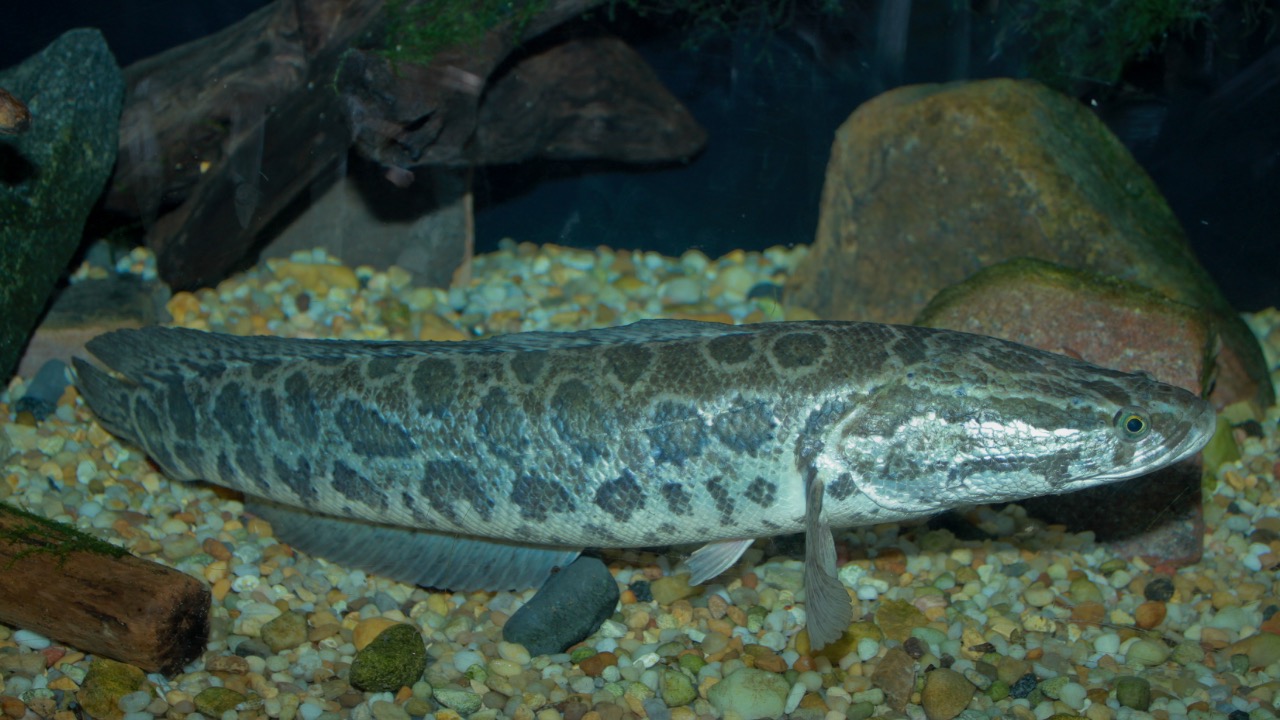
If nutria are the poster rodent for invasive meat, the Northern Snakehead is the fish that haunts biologists’ nightmares. Native to parts of Asia, this long, muscular predator, known scientifically as Channa argus, has established itself in rivers and lakes in the Mid‑Atlantic and Southeast. It has a mouth full of sharp teeth and a mottled, snake‑like pattern that gives it an unsettling appearance, but what really worries scientists is its physiology.
The Fish and Wildlife Service describes the Northern Snakehead (Channa argus) as a “sharp‑toothed facultative air breather” that can live outside a body of water for several days. That adaptation allows it to survive in low‑oxygen ponds and to wriggle across damp ground to new habitats. Once established, it feeds aggressively on native fish and amphibians, and can quickly dominate a small lake or backwater. Biologists in affected states have warned anglers not to release any snakehead they catch, and some jurisdictions require that the fish be killed on sight.
Rather than simply disposing of them, however, conservation agencies now suggest that anglers take snakeheads home and put them in the skillet. The Fish and Wildlife Service’s invasive‑eating guide explicitly lists Northern Snakehead among the species that people can and should eat, and notes that the fish has firm, white flesh that lends itself to frying or grilling. A separate overview of the species explains that snakeheads can reach substantial sizes and have become a target for adventurous anglers who want both a challenging fight and a guilt‑free meal.
Fishing advocates have helped popularize that idea. A detailed feature on “Fishing’s Most Wanted” describes how snakeheads can reach over 3 feet in length and presents them as one of several “tasty invasives” that anglers are encouraged to catch and eat. The piece, which includes a photograph credited to Noah Bressman, argues that targeting snakeheads can reduce pressure on native bass and panfish while giving anglers a new source of fillets. It also explains that the fish’s mild flavor makes it an easy introduction for people who might be wary of eating a species sometimes nicknamed “Frankenfish.”
Basic reference entries reinforce the sense that snakeheads are both a threat and a resource. A general description of the Northern Snakehead notes its non‑native status in North America and its reputation as an invasive predator. A related overview of snakehead biology highlights the species’ ability to breathe air and survive out of water, as well as its impact on native fish communities. Those details help explain why agencies are so eager to turn snakehead fillets into a conservation tool.
Invasive carp: rebranding a river menace as dinner
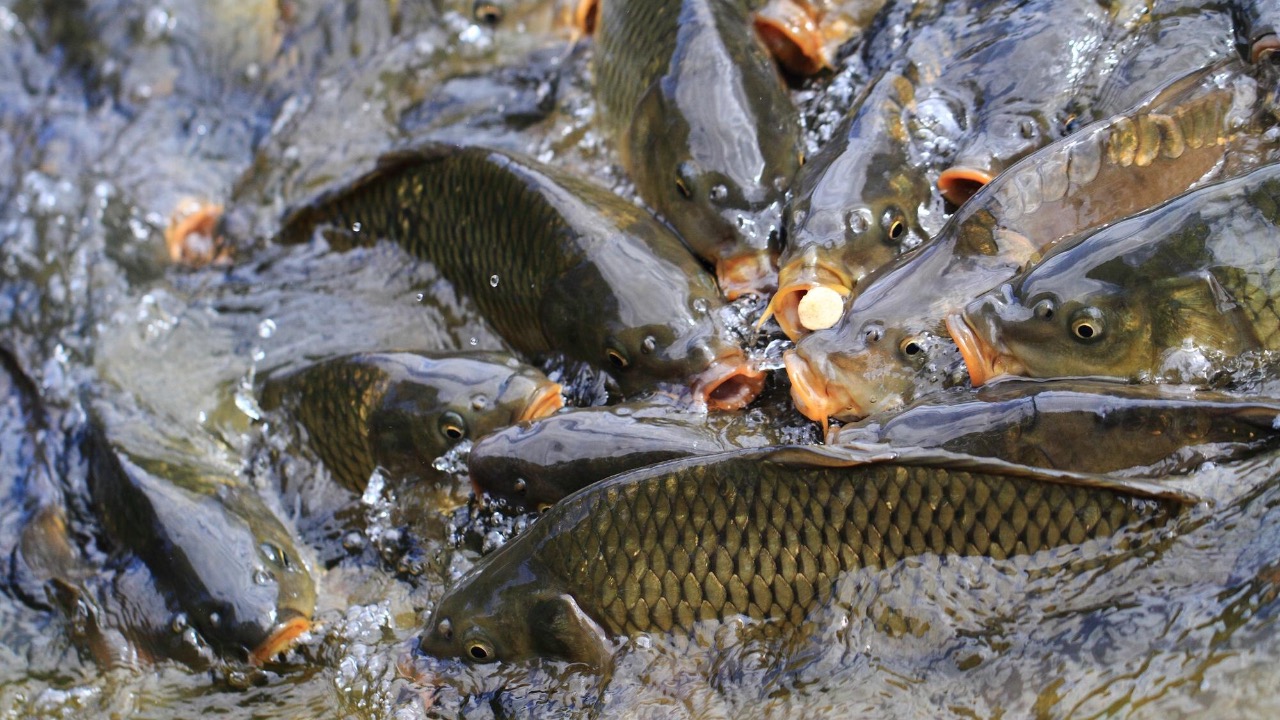
While nutria and snakeheads dominate headlines, invasive carp may pose the broadest long‑term threat to U.S. waterways. Under the umbrella term “Asian carp,” several species, including bighead carp and silver carp, have spread through the Mississippi River basin and its tributaries. These fish filter huge volumes of water for plankton, outcompeting native species and altering entire food webs. In some stretches of river, they now make up the majority of the fish biomass.
Officials in states along the Mississippi and in the Great Lakes region have spent years trying to keep invasive carp from entering sensitive waters. One detailed report on the issue explains that Arkansas, often called the Natural State, has a particular interest in keeping carp out of the Great Lakes, which support valuable commercial and recreational fisheries. The report describes how Arkansas has embraced a strategy that encourages residents to eat invasive carp, arguing that building a market for the fish can help fund removal efforts and create jobs in processing plants.
That strategy has led to a marketing twist. Food advocates have pointed out that the term “Asian carp” is both imprecise and unappealing to diners, since it lumps together several species and carries cultural baggage. A widely cited analysis of seafood branding explains that these invasive carp are getting a new name so Americans will eat them, drawing a comparison to the successful rebranding of Patagonian toothfish as Chilean sea bass. The piece quotes industry voices who argue that the fish’s mild, white flesh is far better than its reputation suggests, and that a new label could help overcome diners’ reluctance.
Reference pages describe invasive carp as a group of non‑native fish that includes bighead carp and silver carp, and outline their spread through U.S. rivers. Separate entries on bighead carp and silver carp highlight their filter‑feeding habits and their tendency to leap from the water when startled, sometimes injuring boaters. Those same traits, however, make them efficient converters of plankton into protein, which in turn makes them attractive targets for commercial harvest if a stable demand can be created.
Arkansas is not alone in trying to build that demand. A feature on reasons to be cheerful about invasive carp describes how processors in the Mississippi basin are experimenting with fish cakes, sausages and other value‑added products that can absorb large volumes of carp meat. The story explains that by giving carp a new name and a place in grocery store freezers, officials hope to turn a costly nuisance into an economic asset. The approach mirrors the broader philosophy behind the “eat the invaders” movement: if the public can be convinced that a problem species is also delicious, market forces can help thin its numbers.
From lionfish to bullfrogs: a growing invasive menu
Nutria, snakeheads and carp may be the most visible invaders on the federal list, but they are far from the only species that officials want Americans to eat. In coastal waters, lionfish have become a symbol of how a strikingly beautiful animal can wreak havoc when introduced to the wrong place. Native to the Indo‑Pacific, lionfish now hunt voraciously on Atlantic and Caribbean reefs, where their venomous spines offer them protection from predators that might otherwise keep them in check. A reference entry on lionfish notes their spread and their impact on native reef fish, and federal summaries point out that divers and chefs have already begun to turn lionfish into ceviche and tacos.
In freshwater systems, blue catfish and American bullfrogs have joined the list of edible invaders. A reference page on blue catfish describes how the species, native to parts of the Mississippi basin, has been introduced to other waters where it now preys on native fish and shellfish. Another entry on bullfrogs explains that the American bullfrog, although native to the Eastern United States, has been introduced elsewhere, where it consumes smaller native frogs and invertebrates. Culinary guides have responded by suggesting that frog legs and catfish fillets can be part of a responsible diet when they come from invasive populations.
On land, the list extends to reptiles and large mammals. The green iguana, described in reference entries on the Green Iguana and a related iguana overview, has become a nuisance in parts of Florida and the Caribbean, where it digs burrows that destabilize seawalls and dines on ornamental plants and crops. Some local communities have revived traditional recipes that treat iguana meat as a delicacy, and officials have signaled that controlled harvests can help limit damage.
Feral hogs, also known as wild boar, represent a different scale of problem. Reference pages on Wild Boar and a second feral hog entry describe how these animals root up crops, damage forests and spread disease. The Fish and Wildlife Service’s “Eat the Invaders” guide underscores that feral hog hunting is already encouraged in many states, and frames hog meat as a flavorful alternative to domestic pork. A national overview of invasive‑eating campaigns notes that hogs are among the most destructive invasive mammals in North America, and that every hog removed from the landscape reduces pressure on farmers and native wildlife.
Popular food writing has helped normalize the idea of eating these animals. A feature titled “Invasive Species Americans Should Be Eating” lists 14 such species, including the American bullfrog, and notes that the bullfrog is native to the Eastern United States but has become a problem where it has been introduced elsewhere. The piece, which credits photographer David Cannon and Getty Images for a bullfrog image, presents invasive dining as an adventurous but accessible way to engage with conservation. It also emphasizes that many of these animals are already staples in other cuisines, such as East Asian dishes that feature frog legs.
How officials are selling the idea to the public
Convincing people to eat invasive species requires more than a biological argument. Agencies and advocates have had to craft a message that blends environmental responsibility with culinary curiosity, while addressing concerns about safety, legality and ethics. The Fish and Wildlife Service’s “Eat the Invaders” materials take a light but informative tone, describing invasive meat as a “bonus” for hunters and anglers who want to do good while enjoying wild food. The guide walks readers through basic safety tips, from checking local regulations to handling and cooking meat properly.
National news coverage has amplified that message. A widely circulated report explained that Americans are being told to eat more invasive animals, and framed the advice with the phrase “put them on the menu.” The story asked, “What do iguanas, rodents, fish and hogs have in common?” and answered that they are all invasive species that officials now describe as “downright delicious.” By grouping such disparate animals together, the coverage highlighted the scale of the invasion problem while also normalizing the idea that they belong in recipes.
Another national feature focused on nutria, describing the rodent as “invasive and delicious” and reporting that the federal government is effectively begging people to eat this massive harmful species. That story quoted conservationists who see nutria as one of five edible creatures that hunters can help eradicate, and it detailed how the Fish and Wildlife Service has embraced culinary language to make the case. By spotlighting nutria’s impact on wetlands and its culinary potential in the same breath, the piece illustrated the core logic of the campaign.
Regional outlets have picked up the theme in their own contexts. A report on sustainable food systems in Mississippi described how U.S. officials urge residents to catch and cook invasive species that are wreaking havoc on local ecosystems. The story explained that these animals damage crops and vegetation and compete with native wildlife for food, and argued that eating them can reduce their numbers while supporting local hunters and food systems. It presented invasive dining as part of a broader shift toward sustainable, place‑based diets.
Even mainstream lifestyle coverage has joined the conversation. A feature on wild foods encouraged readers to “check” a list of five invasive animals that experts say Americans should eat more of, beginning with nutria and extending to other species. The piece framed invasive meat as a way to expand culinary horizons while contributing to conservation, and it leaned on quotes from the Fish and Wildlife Service to reassure readers that these animals are safe to eat when properly handled.

Leo’s been tracking game and tuning gear since he could stand upright. He’s sharp, driven, and knows how to keep things running when conditions turn.