Trump’s Strait of Hormuz Blockade Appears to Deter Tankers, Though Iran Signals Possible Countermeasures
You have been watching the Middle East situation unfold for weeks now, and this latest development marks a sharp turn. After peace talks collapsed in Pakistan over the weekend, the Trump administration moved quickly. On April 13 the U.S. Navy began enforcing a blockade focused on Iranian ports and coastal areas. The goal is straightforward: cut off revenue flowing to Tehran by restricting ships tied to its ports while keeping the strait open for everyone else. Early signs point to fewer tankers venturing near those waters, yet Tehran is already hinting at ways to push back.
The failed talks that set the stage
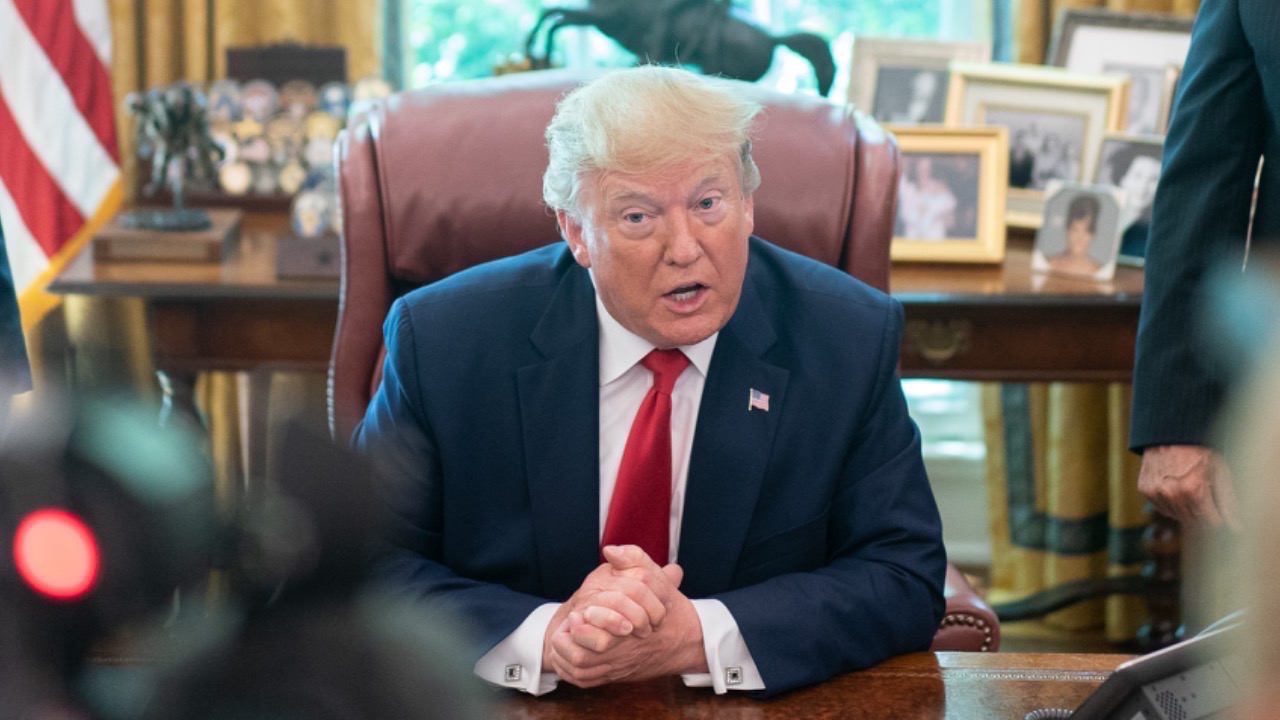
Ceasefire negotiations between U.S. and Iranian officials dragged on for more than twenty hours in Islamabad but ended without any agreement. The sticking points included Iran’s nuclear program, sanctions relief, and reparations. Once those talks broke down, President Trump announced the naval action the next day. The timing was no accident. Officials framed the blockade as a way to stop what they called Iran’s extortion through tolls on passing ships. With the current ceasefire due to expire soon, the pressure tactic aims to bring Tehran back to the table on better terms. You can see how quickly the situation escalated once diplomacy stalled.
The broader war context matters here too. Fighting started back at the end of February, and Iran had already restricted traffic through the strait for months. That earlier move disrupted global oil flows and drove prices higher. The U.S. response now flips the dynamic by targeting Iran’s own export routes while promising safe passage for other nations. It is a calculated shift designed to isolate Iran economically without shutting the entire waterway.
Exactly what the blockade covers
U.S. Central Command made clear from the start that the operation targets only vessels heading to or from Iranian ports along the Persian Gulf and Gulf of Oman. Ships passing through the strait to reach ports in other countries face no interference. The Navy has positioned warships to monitor traffic, ready to intercept, divert, or even capture vessels that ignore warnings. Humanitarian cargo receives an explicit exemption. Details on boarding procedures remain limited, but the advisory to mariners leaves no doubt that enforcement is underway.
This narrow focus matters. It avoids a full closure of the strait while still hitting Iran’s oil exports hard. Tankers linked to Iranian facilities must now weigh the risk of confrontation with U.S. forces. The approach relies on presence and warnings rather than constant engagements, giving commanders flexibility as conditions change on the water.
Early evidence that tankers are turning away
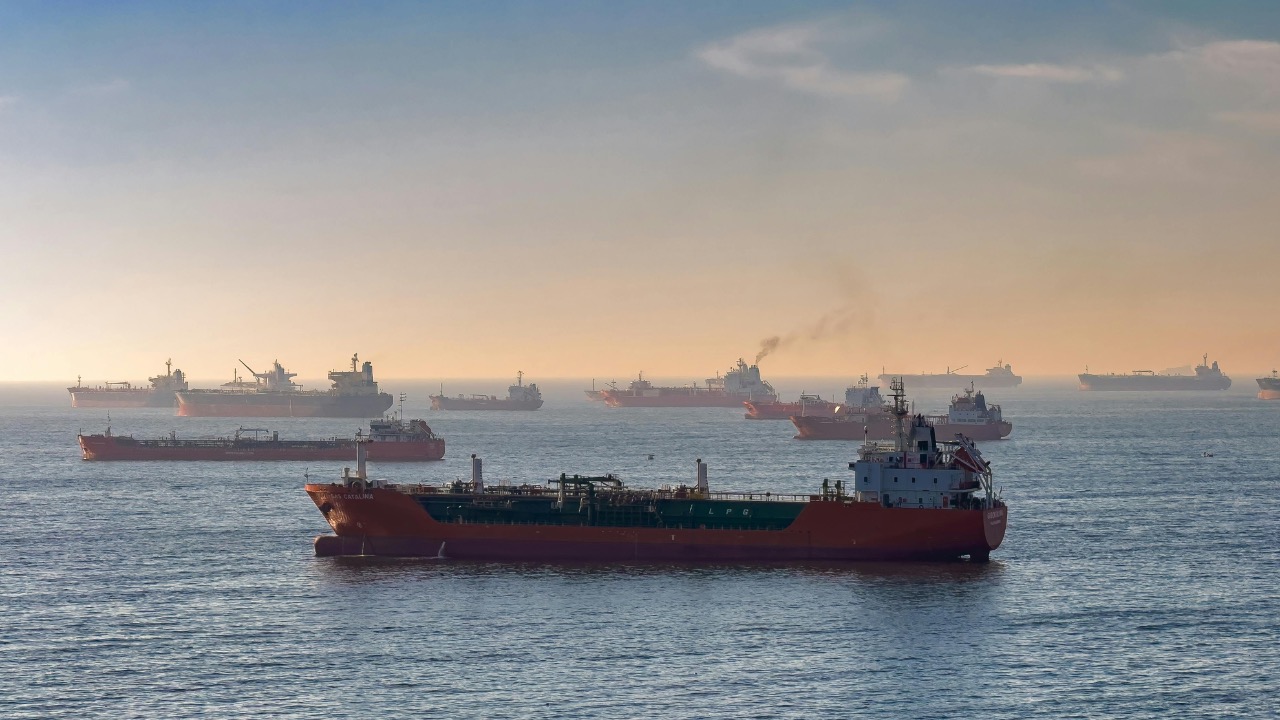
Shipping trackers reported at least two tankers altering course shortly after the blockade took effect on April 13. Vessel data from MarineTraffic showed those ships reversing direction near the entrance to the strait. U.S. Central Command followed up by stating that several merchant vessels had complied with instructions to turn around. The numbers are still small, but the pattern suggests hesitation among operators who previously risked the passage.
You notice the difference when you look at daily transit counts. Kpler’s analysis recorded just five liquid tankers moving through the area during the first two days, with a total of eight vessels across all cargo types. That is far below normal peacetime levels. Even a handful of ships idling in the Gulf of Oman highlights the caution now gripping the industry.
What the latest marine traffic numbers reveal
By Tuesday, April 14, another five vessels crossed the strait according to the same tracking service. Four tankers carrying Iranian crude remained stationary in the Gulf of Oman, part of a larger floating storage buildup that reached 42 million barrels this week. These figures come directly from commercial data providers monitoring AIS signals and ship movements. They paint a picture of reduced activity tied specifically to Iranian ports rather than a complete halt to all traffic.
The blockade sits outside the narrowest part of the strait itself, focusing enforcement farther into the Gulf of Oman. That positioning lets non-Iranian shipping continue while raising the cost and risk for anyone connected to Tehran’s facilities. Operators are clearly recalculating routes and insurance in real time.
Tehran’s immediate pushback
Iranian officials wasted little time labeling the operation illegal and an act of piracy. A military statement warned that no port in the wider region would be safe if the blockade continued. Threats extended to U.S. partners in the Gulf, signaling possible retaliation against allied infrastructure. At the same time, Tehran downplayed the move as more bluff than substance, claiming it would only create market chaos without stopping their operations entirely.
These statements serve a dual purpose. They rally domestic support while sending a message to the international community that Iran will not accept the new restrictions quietly. The language echoes earlier warnings issued during the initial closure of the strait months ago.
Countermeasures already in view
Iran has spent years refining ways to move oil outside traditional channels. Shadow fleets with manipulated AIS signals let vessels obscure their origins. Floating storage has grown noticeably in recent days, giving Tehran buffer stocks away from immediate naval pressure. Reports from Iranian news outlets mention plans to shift activity toward alternative ports away from the southern coast. Analysts tracking the region expect more of these tactics as the blockade settles in.
A U.S.-sanctioned Chinese tanker named Rich Starry tested the waters early on, passing through before later turning back in the Gulf. That single voyage underscores both the determination of some operators and the limits of enforcement so far. Tehran appears ready to exploit any gaps with established smuggling networks and diplomatic outreach to buyers like China.
Oil markets feeling the strain
Brent crude prices have climbed near the hundred-dollar mark since the blockade began, reflecting fresh uncertainty over supply. Iran’s exports already faced disruption from the earlier closure, and this new layer of restrictions tightens the squeeze further. Global buyers are watching closely because roughly one-fifth of the world’s oil normally moves through the strait in normal times. Even modest reductions in Iranian barrels can ripple outward.
The administration has released emergency reserves and adjusted sanctions in recent months to cushion price shocks. Still, the combined effect of months of conflict and the current naval operation keeps traders on edge. How long the blockade lasts will likely determine how high those prices climb.
Diplomacy remains in flux
Talks have not ended entirely. Both sides have indicated interest in another round of discussions even as the blockade operates. The current ceasefire holds for now, but its expiration date looms. U.S. officials emphasize that the naval pressure is meant to encourage serious negotiations rather than prolong the standoff. Iran, for its part, continues to insist on sanctions relief and other concessions before any reopening of the strait.
You can see the delicate balance at work. One side applies economic leverage while the other signals resilience and alternative options. Whether this combination leads back to the table or escalates further will shape the next chapter in the region. The coming days should clarify if the blockade delivers the leverage Washington seeks.

Asher was raised in the woods and on the water, and it shows. He’s logged more hours behind a rifle and under a heavy pack than most men twice his age.