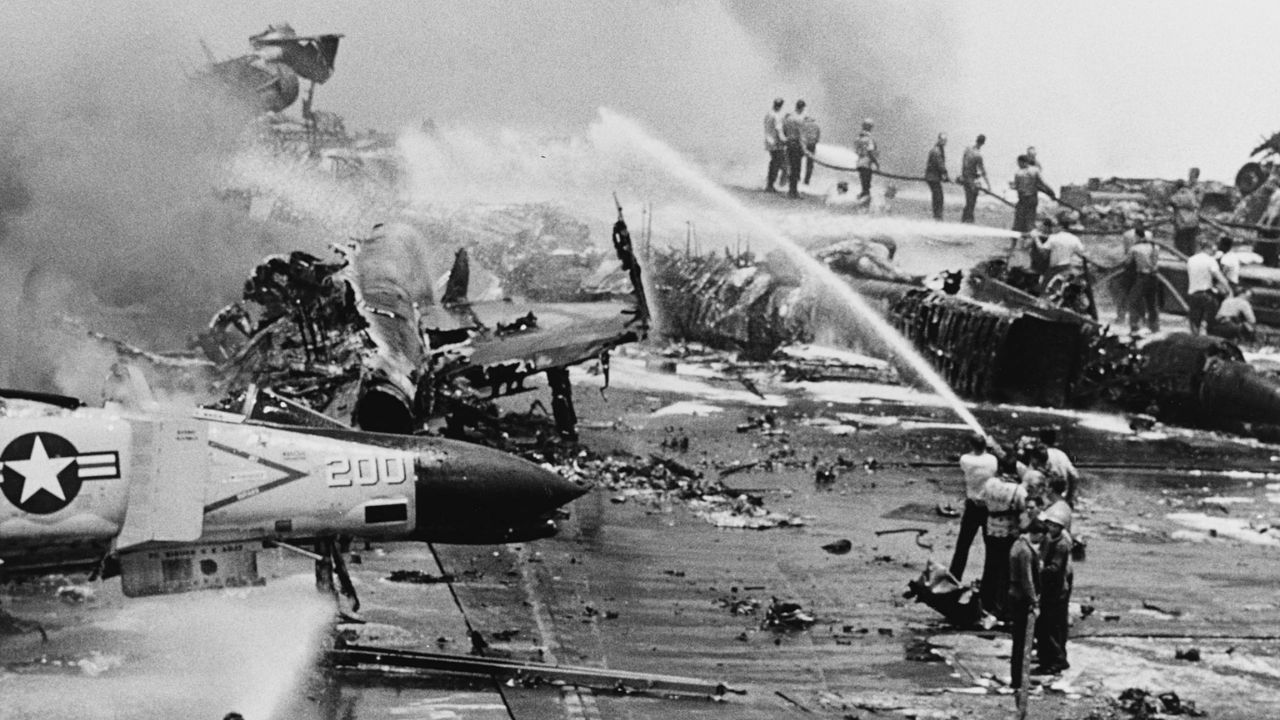
After 1967 USS Forrestal Fire Killed More Than 100 Sailors, Navy Implemented Fleetwide Safety Reforms
The 1967 fire aboard the USS Forrestal off Vietnam remains one of the worst disasters in U.S. naval history. A chain reaction of explosions tore across the flight deck after an accidental rocket launch, leaving more than 100 sailors dead and hundreds injured.
The scale of the damage forced the Navy to rethink how aircraft carriers handled weapons, fuel, and emergency response. The lessons from that day quickly moved beyond a single ship and into broader fleet operations.
What went wrong on the USS Forrestal
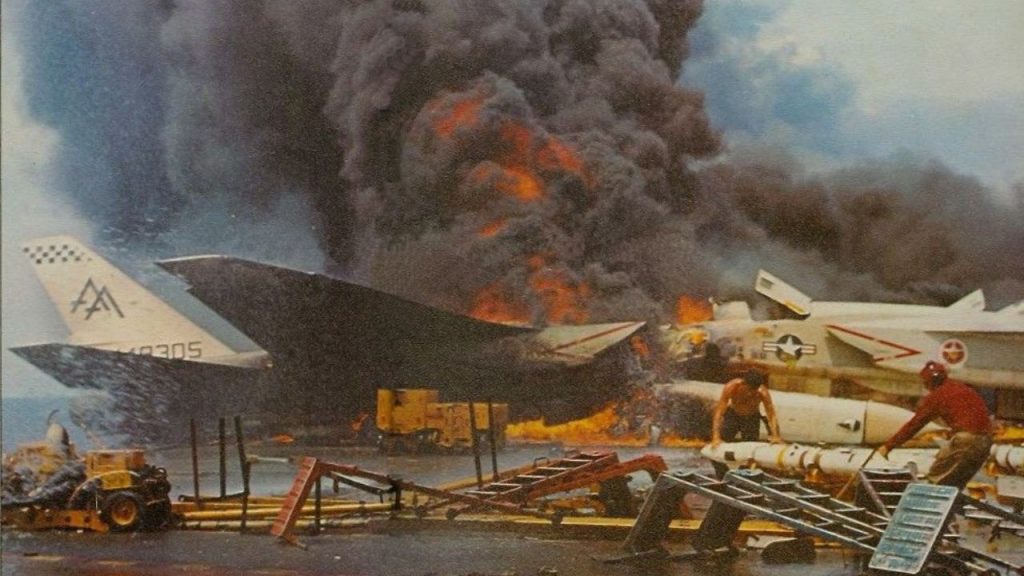
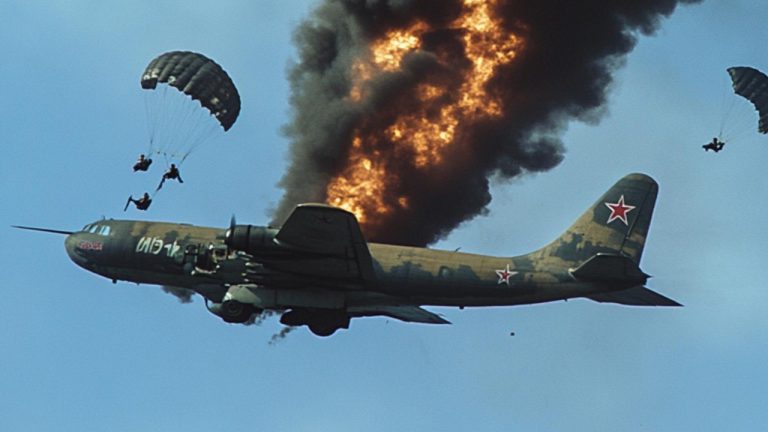
The fire began when a rocket accidentally fired from an aircraft and struck another plane loaded with fuel and ordnance. That single hit triggered explosions that spread rapidly across the deck. Crews struggled to control the fire as munitions continued to detonate.
Emergency response was chaotic in the early minutes. Equipment shortages, outdated safety procedures, and confusion on deck made it harder to contain the situation before it escalated.
Changes the Navy made after the disaster
After the incident, the Navy introduced stricter weapons handling rules and improved fire suppression systems on carriers. Training for damage control teams became more intensive, with a stronger focus on fast coordination during emergencies.
The service also upgraded protective gear and reorganized how ordnance was stored and moved. These changes were aimed at preventing a single accident from cascading into a fleet-level disaster again.
Lasting impact on naval safety culture
The Forrestal fire became a turning point in how the Navy viewed risk on aircraft carriers. It shifted thinking toward constant readiness and tighter control over routine operations involving fuel and weapons.
Even decades later, the event is still studied in training environments. The reforms it triggered continue to influence carrier safety standards today.

Leo’s been tracking game and tuning gear since he could stand upright. He’s sharp, driven, and knows how to keep things running when conditions turn.