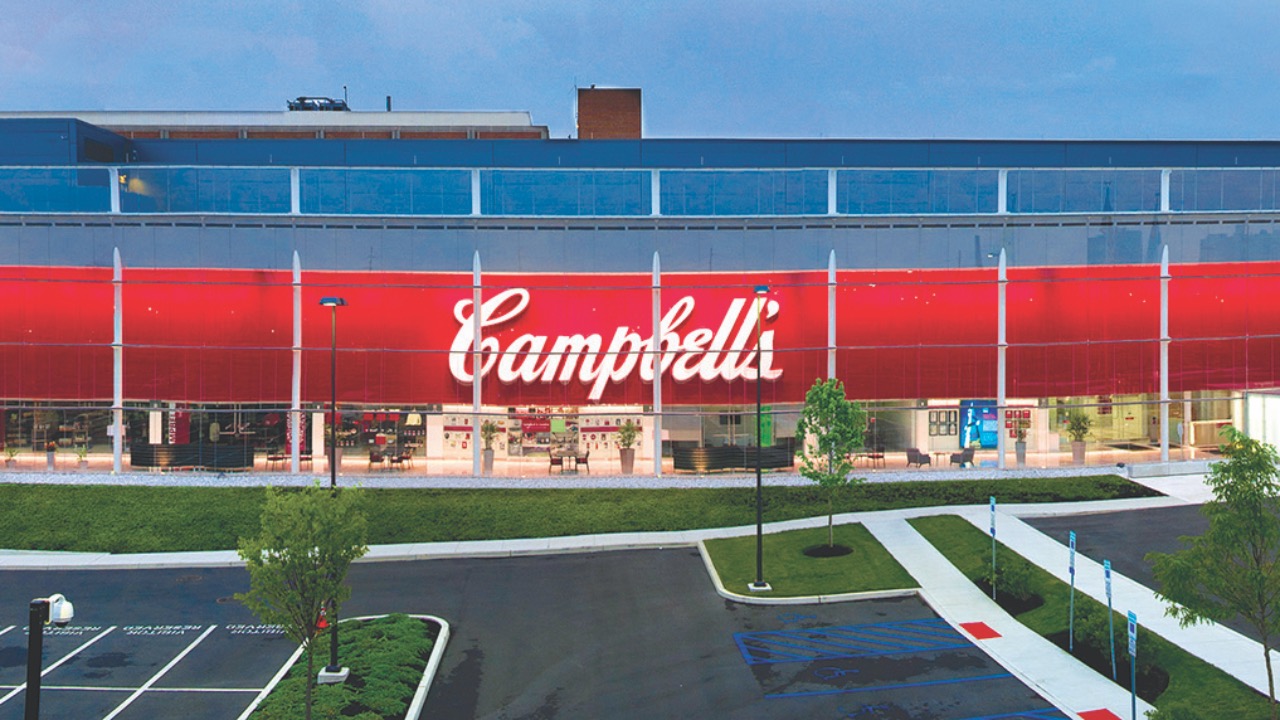
Campbell’s to Lay Off 200 Texas Workers as Production Shifts From Soup to Sauces
For decades, the familiar red-and-white soup cans rolling off a factory line helped define American packaged food. But inside the food business, production lines shift constantly as companies chase efficiency and changing consumer demand. That reality is playing out in Northeast Texas right now.
The food giant Campbell’s is restructuring operations at its plant in Paris, Texas, ending soup production and converting the facility into a sauce-focused factory. The change will cost about 200 workers their jobs as the plant transitions toward producing pasta sauce and salsa instead of canned soup.
This move isn’t a sudden surprise. The shift has been developing for years as the company reorganizes its supply chain and concentrates certain products in specific facilities. For the workers and the community around the plant, though, the impact is immediate and personal.
Soup Production at the Texas Plant Is Ending

For generations, the facility in Paris helped produce canned soup that ended up on grocery shelves across the country. The plant has operated since the mid-1960s and has been part of the company’s soup network for decades.
That chapter is coming to an end. Soup production at the plant is scheduled to stop on May 1 as the facility transitions fully into sauce manufacturing.
If you grew up seeing those cans stacked in store aisles, it’s a reminder that food manufacturing rarely stands still. Companies regularly shift production between plants depending on costs, logistics, and demand. In this case, soup lines will move elsewhere in the company’s network while Paris focuses on a different category entirely.
Roughly 200 Workers Will Lose Their Jobs
The restructuring will eliminate about 200 positions at the Paris facility. A formal filing with the Texas Workforce Commission indicates around 205 employees will be laid off as part of the transition.
That reduction represents a significant slice of the plant’s workforce. Before the change, the facility employed more than 560 workers handling multiple production lines.
For the people working inside the building every day, these numbers translate into real uncertainty. Many have spent years—sometimes decades—working shifts on the production floor. When a major employer cuts that many jobs in a smaller community, the effects ripple through local businesses, schools, and the regional economy.
The Plant Is Being Converted Into a Sauce Facility
Instead of producing soup, the Paris plant will become a flagship location for sauces. The company plans to focus production there on well-known products like Prego pasta sauces and Pace salsa.
That shift reflects a broader change inside the company’s product strategy. Sauces and meal ingredients have become a growing segment of the packaged food business.
If you’ve noticed grocery aisles expanding their selection of pasta sauces and cooking ingredients, you’re seeing the same trend the company is responding to. Instead of spreading production across multiple products at one facility, the strategy now leans toward specialization—one plant focused heavily on a specific category.
This Transition Was First Announced in 2024
While the layoffs are making headlines now, the groundwork for the transition started earlier. The company first announced plans in 2024 to convert the Paris location into a sauce-focused facility.
At the time, the company said the change could affect roughly 300 workers out of the plant’s nearly 680 employees. The final number of layoffs appears somewhat lower than those early estimates.
Still, these large transitions rarely happen overnight. Food manufacturers often spend years moving production lines, retraining workers, and updating equipment before the new operation fully replaces the old one. For employees watching the process unfold, the uncertainty has been building for a while.
The Food Industry Is Consolidating Production
What’s happening in Paris isn’t an isolated move. Across the food industry, companies are reorganizing production networks so specific plants handle specific products.
Specialization can reduce shipping costs, simplify supply chains, and make automation easier to implement. That efficiency often means fewer workers are required once the transition is complete.
For companies competing in a crowded grocery market, shaving costs in manufacturing can make a difference. But those gains usually come with difficult tradeoffs when plants shrink their workforce or shift production lines somewhere else.
The Facility Has Been a Major Local Employer
In communities like Paris, large food plants often anchor the local job market. Generations of families have worked in these factories, building careers around shift schedules and steady manufacturing work.
When a facility cuts a large number of positions, the ripple effects spread beyond the factory walls. Local suppliers, trucking companies, and nearby businesses can all feel the impact when hundreds of workers suddenly face layoffs.
For the town itself, the plant will still operate and remain a major employer. But with a smaller workforce, the economic footprint of the facility will likely change in noticeable ways over time.
Campbell’s Says It Will Support Affected Workers
Company officials say they are providing support to employees affected by the layoffs. Workers who remain until their separation date may be eligible for benefits and transition assistance.
In many cases, companies also offer job placement resources or help workers apply for other roles within the organization if openings exist elsewhere.
For the individuals facing layoffs, those programs can help ease the transition. Still, losing a long-held job can be difficult in any industry. As the factory shifts its focus away from soup and toward sauces, the workforce inside the plant will inevitably look different than it did for the past several decades.

Asher was raised in the woods and on the water, and it shows. He’s logged more hours behind a rifle and under a heavy pack than most men twice his age.