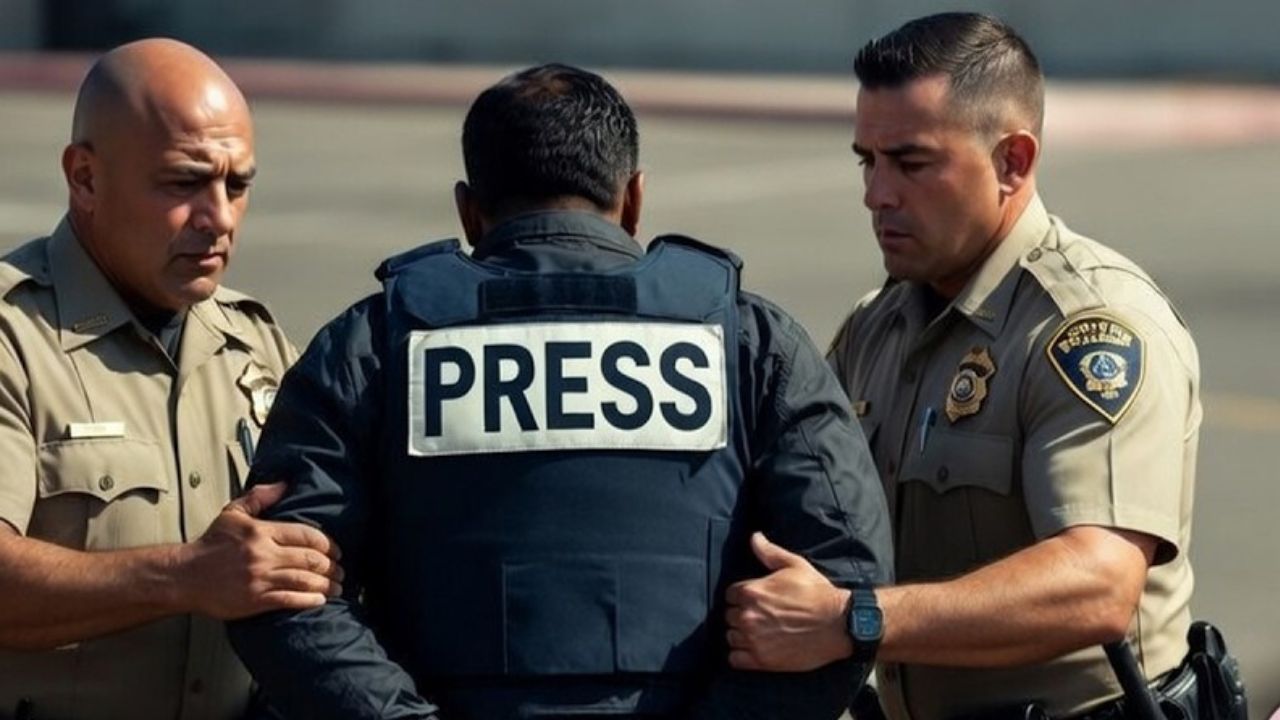
Proposed California Legislation Raises Questions About Limits on Investigative Reporting
A new proposal in California has sparked debate over how far the state can go in regulating the methods journalists use when reporting. The bill focuses on certain investigative practices that lawmakers say could cross legal or ethical lines, especially when it comes to privacy and recording individuals without consent.
Critics of the proposal argue it could end up limiting legitimate reporting work, especially for journalists who rely on undercover methods to expose wrongdoing. Supporters, on the other hand, say the goal is not to silence reporting but to set clearer boundaries around how information is gathered.
What the proposal is trying to address
Lawmakers behind the bill say it is aimed at preventing deceptive or intrusive tactics that may violate privacy laws. They argue that in some cases, investigative methods have gone too far, creating legal gray areas that need clearer rules.
The proposal outlines possible limits on certain recording practices and undercover techniques, though the exact language is still under discussion. As a result, there is ongoing uncertainty about how broadly the rules could be applied if the bill moves forward.
Concerns from journalists and media groups
Journalists and press freedom organizations have raised concerns that the legislation could make it harder to expose corruption or misconduct. They point out that undercover reporting has historically played a role in uncovering major public interest stories.
Their main worry is that vague wording could discourage reporters from taking on sensitive investigations. Some argue that even the possibility of legal risk could have a chilling effect on what stories get pursued.
Supporters argue for clearer boundaries
Supporters of the proposal say the intent is not to restrict journalism but to ensure accountability in how information is obtained. They argue that privacy violations and deceptive practices should not be left completely unregulated.
They also claim that clearer rules could protect both individuals and media organizations by reducing legal uncertainty. According to this view, defined limits could help prevent disputes over whether certain reporting tactics are justified.

Leo’s been tracking game and tuning gear since he could stand upright. He’s sharp, driven, and knows how to keep things running when conditions turn.