Researchers Identify 18 Substances That Bears Can Detect From a Mile Away
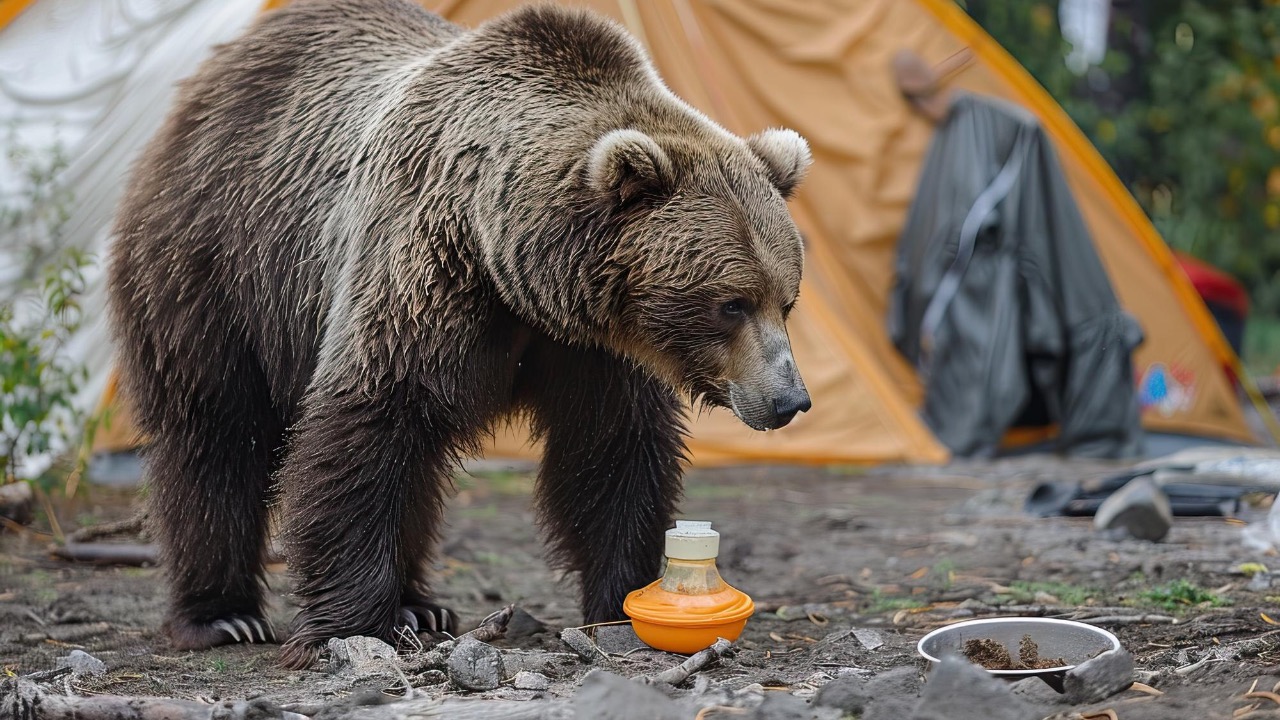
You spend enough time in bear country, and you learn fast—your nose doesn’t matter much, but theirs does. A bear’s sense of smell is one of the most powerful in the animal world, estimated to be several times stronger than a bloodhound’s. That means things you barely notice can carry a long way, especially with the right wind and terrain.
Researchers and wildlife managers have spent years documenting what draws bears in, and the list is longer than most hunters realize. Some of it’s obvious. Some of it isn’t. Either way, if you’re out there, you need to know what you’re carrying and what it’s putting into the air.
Meat and Carcasses Carry the Farthest

You already know meat attracts bears, but what matters is how far that scent can travel. Fresh kills, gut piles, and even small scraps can throw scent a long way under the right conditions.
It’s not only fresh meat either. Aging meat produces stronger odors as bacteria break it down, and that’s something bears key in on quickly. If you’ve got game hanging or scraps left behind, you’re putting out a signal. That’s why proper field care and cleanup matter more than most hunters realize.
Fish and Fish Remains Are Strong Scent Sources
Fish oils and decaying fish are some of the strongest natural attractants in bear country. Bears that key in on streams and spawning runs are already tuned to pick up those smells.
Even outside of water, fish scraps or bait can travel on the wind. If you’re packing fish or cooking it at camp, you’re putting out a scent that carries. It’s not subtle, and it doesn’t take much for a bear to notice. Managing those remains is a big part of staying out of trouble.
Sweet Foods Travel Surprisingly Well
Sugary foods don’t seem like a major concern at first, but they carry more scent than you’d expect. Syrups, candy, and processed snacks all put off a strong odor.
Bears are opportunistic feeders, and once they associate those smells with easy calories, they don’t forget. A bag of trail mix or a candy wrapper left behind can be enough to draw attention. Keeping that kind of food sealed and stored properly isn’t optional in bear country.
Human Food Waste Draws Bears Quickly
Trash is one of the biggest problems in bear areas. Food scraps, packaging, and leftovers combine into a scent source that’s easy for bears to follow.
Once a bear starts associating human areas with food, it becomes a long-term issue. That’s how problem bears get started. If you’re hunting or camping, handling waste correctly isn’t only about cleanliness—it’s about keeping bears from changing their behavior in ways that usually end badly for them.
Scented Toiletries Don’t Go Unnoticed
Things like toothpaste, deodorant, and soap don’t smell like food to you, but to a bear, they still register as something unusual and worth checking out.
Many of these products are designed to carry scent, which works against you in the woods. Even small amounts can drift. Storing them with the same care as food is the smart move. Leaving them out is asking for attention you don’t want.
Cooking Odors Linger Long After Meals
The smell of cooked food hangs in the air longer than you think. Grease, smoke, and leftover heat all contribute to a scent trail.
Even after you’ve finished eating, those odors stick to gear, clothing, and the surrounding area. Bears can follow that trail back to camp. That’s why it pays to cook away from where you sleep and keep your camp as clean as possible.
Garbage and Packaging Hold Residual Smell
Empty doesn’t mean odor-free. Food packaging holds onto scent, especially plastics and wrappers that have absorbed oils or sugars.
If you toss those into a loose bag or leave them sitting out, you’re still putting scent into the air. Bears don’t need a full meal to come investigate. Managing even your “empty” waste is part of the equation.
Pet Food Is an Overlooked Attractant
If you’re hunting with dogs or camping with pets, their food can be a major draw. High-protein kibble carries a strong scent, especially when stored in bulk.
It’s easy to overlook because it’s not part of your own meals, but bears don’t make that distinction. Store it like you would any other food source, sealed and secured. Leaving it out is no different than leaving a cooler open.
Beverages Can Attract Curious Bears
Sweet drinks, sports beverages, and even alcohol carry scent. Sugars and fermentation both put off odors that travel.
An open can or spilled drink might not seem like much, but it adds to the overall scent profile of your camp. Bears pick up on that mix of smells and investigate. Keeping containers sealed and cleaning up spills helps reduce that risk.
Food Residue on Clothing Builds Over Time
After a few days in camp, your clothes start to hold onto everything—smoke, grease, food particles. You might not notice it, but it builds.
That scent moves with you. A bear doesn’t need a fresh meal smell if your clothing is carrying a mix of older ones. Keeping cooking clothes separate and not sleeping in them is a habit that pays off.
Campfires Carry Food Odors Downwind
Campfire smoke spreads scent over a wide area. When you’re cooking over that fire, it picks up food odors and carries them even farther.
That means your scent footprint isn’t limited to your immediate camp. It stretches out with the wind. Being aware of where that smoke is drifting can help you understand how far your presence is reaching.
Toothpaste and Oral Products Smell Like Food
Mint and sweetened toothpaste can smell close enough to food to catch a bear’s attention. It’s not something most people think about.
Spitting near camp or leaving those items out adds another scent source. Treating them the same as food—stored properly and used away from sleeping areas—cuts down on unnecessary risk.
Lotions and Sunscreens Add to Your Scent Profile
Scented lotions and sunscreens are another layer most hunters don’t consider. Many of them are designed to be noticeable, and that works against you.
Even if they’re not food-based, they still stand out in a natural environment. Bears investigate unfamiliar smells. Cutting down on scented products helps keep your overall presence lower.
Coolers and Storage Containers Leak Odor
Even sealed containers can leak scent over time. Coolers, especially, tend to hold onto food smells and release them slowly.
If they’re left out or not secured, they become a target. Bears have figured out what coolers mean in many areas. Keeping them locked down or properly stored is part of staying ahead of the problem.
Bird Feed and Game Feed Draw Bears In
Feed meant for birds or other wildlife is a strong attractant. Seeds, grains, and mixes carry scent, especially when spread out.
In hunting areas where feed is used, it doesn’t take long for bears to find it. Once they do, they often return. Managing or avoiding feed in bear country can make a difference in how much attention you get.
Grease and Cooking Residue Stick Around
Cooking grease doesn’t go away when the meal is done. It sticks to pans, grills, and the ground if it’s spilled.
That residue continues to smell, especially as it breaks down. Cleaning gear thoroughly and disposing of grease properly cuts down on lingering scent that can bring bears in later.
Toilets and Waste Areas Can Attract Bears
Human waste, especially when mixed with food residue, can produce odor that carries. It’s not a primary attractant, but it adds to the mix.
Improper disposal near camp increases the chance of drawing attention. Keeping those areas away from where you sleep and cook helps reduce the overall scent footprint.
Even Small Scraps Can Be Enough
It doesn’t take much. A dropped piece of food, a spill, or a forgotten wrapper can be enough to put scent into the air.
Bears are built to pick up on the smallest signals. Paying attention to the little things—cleaning up, storing gear right, and staying aware—goes a long way in keeping your camp from becoming a target.

Asher was raised in the woods and on the water, and it shows. He’s logged more hours behind a rifle and under a heavy pack than most men twice his age.