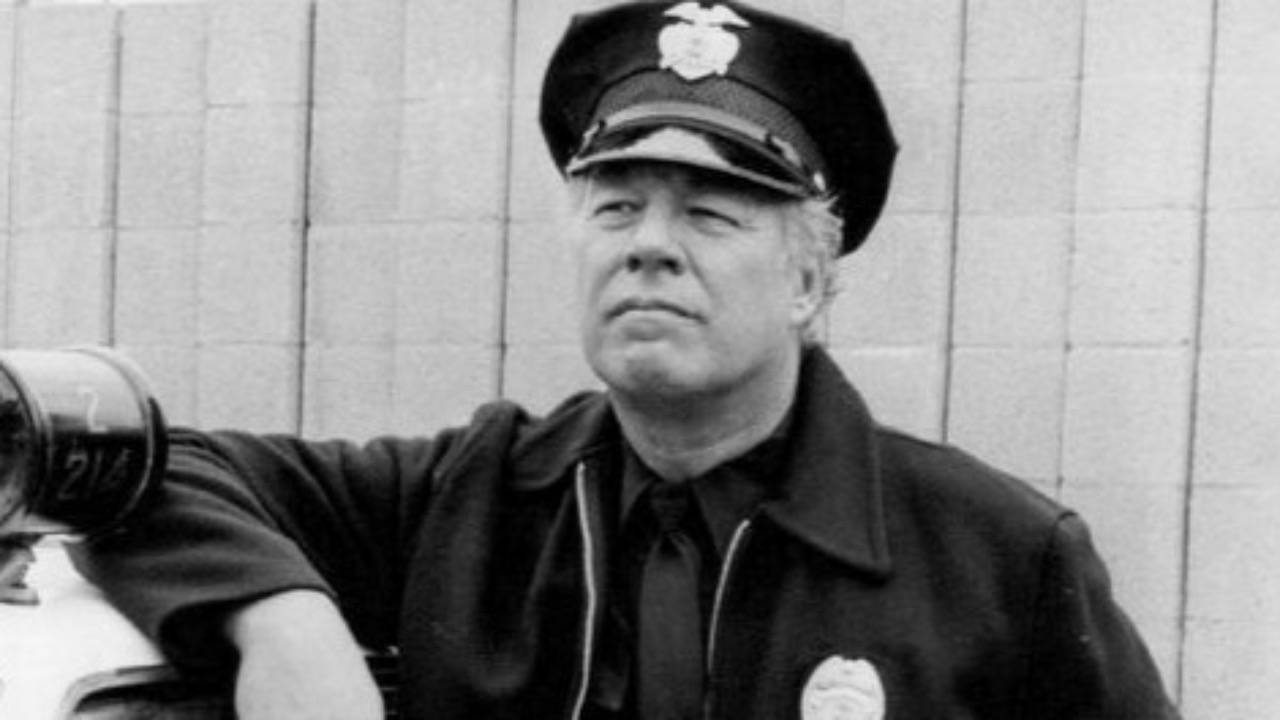
Before His Acting Career Spanning More Than 200 Roles, George Kennedy Served 16 Years in the U.S. Army, Including Under Gen. George Patton
Before you ever saw him on screen, steady and believable in roles that felt lived-in, George Kennedy had already put in years most actors never come close to touching. Long before the cameras, he wore a uniform. Sixteen years in the U.S. Army shaped the man you later watched in more than 200 roles, and it wasn’t ceremonial work. He served during a time when the military demanded adaptability, discipline, and a willingness to go where you were needed.
If you look at his acting later on, that background isn’t hard to spot. He carried himself like someone who’d been tested well before Hollywood ever called.
He Entered the Army Young and Stayed Longer Than Most
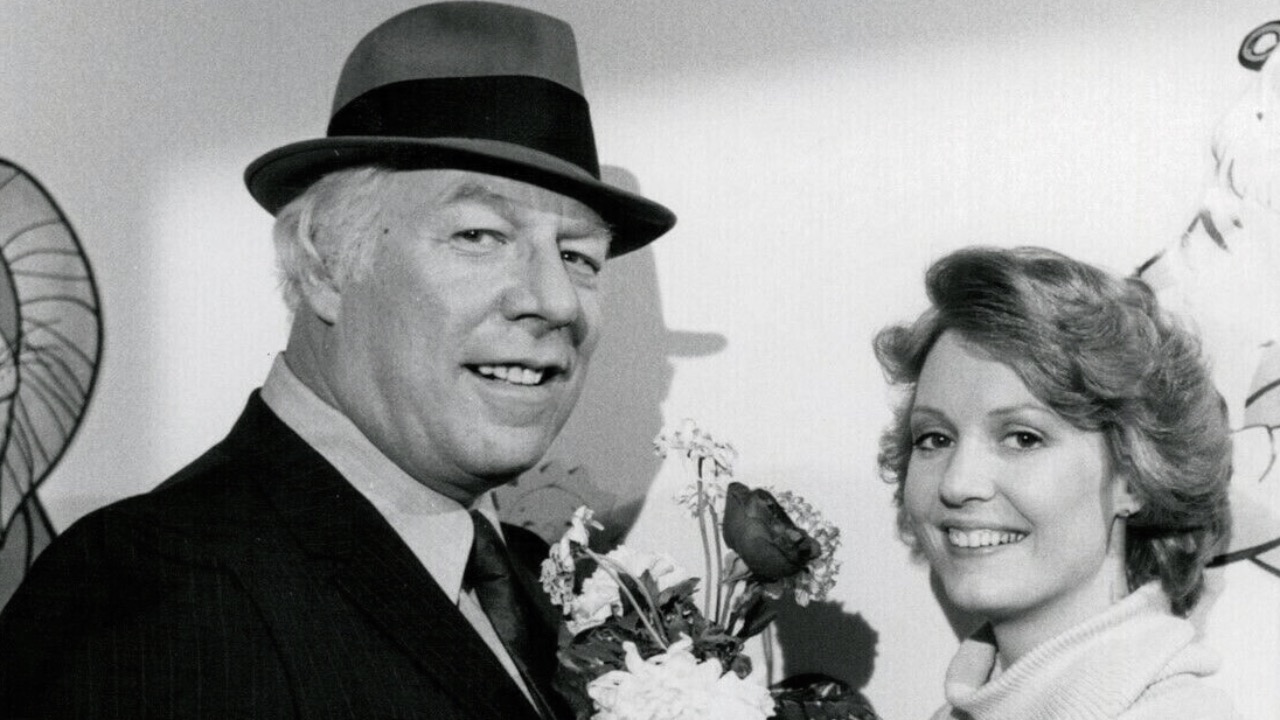
Kennedy didn’t pass through the military on a short enlistment. He went in as a young man and stayed for 16 years, which tells you right away he wasn’t looking for a quick chapter.
That kind of time in uniform means you’ve seen different commands, different responsibilities, and more than a few changes in how things are run. You don’t stay that long without adapting. It also means the Army wasn’t a stepping stone—it was a major part of who he became before acting ever entered the picture.
His Work Centered on Communications and Information
Kennedy served in roles tied to communications and information, including work as a radio operator and later in public information. That may not sound flashy, but it’s critical work.
You’re dealing with accuracy, timing, and pressure. Messages need to be clear, and mistakes carry weight. That kind of responsibility builds a certain mindset—focused, steady, and reliable. When you later see him in roles where he plays authority figures or grounded characters, that experience shows through in a way you can’t fake.
He Served During World War II
Kennedy’s service included the World War II era, which placed him in the middle of one of the most demanding periods in modern military history.
Even if he wasn’t on the front line in every moment, serving during that time meant constant readiness. The pace was different, the stakes were higher, and the expectations were clear. You learned quickly or you didn’t last. That environment tends to leave a mark, shaping how a person carries themselves long after the war is over.
He Worked Under George S. Patton
At one point, Kennedy served under General George Patton, a leader known for high expectations and direct leadership.
Being under someone like Patton meant there was no room for drifting through your duties. Standards were enforced, and you were expected to meet them every day. That kind of command environment pushes people to sharpen up fast. It also gives you a clear sense of structure and accountability—traits that tend to stick long after you’ve left the service.
Injuries Played a Role in His Military Exit
Kennedy’s time in the Army didn’t end because he was looking for something new—it ended in part due to injuries that affected his ability to continue.
That’s a turning point a lot of service members face. You’ve built your identity around the military, and then you’re forced to step away. It changes your path whether you planned for it or not. For Kennedy, that shift opened the door to something entirely different, even if it didn’t look that way at the time.
The GI Bill Helped Redirect His Future
After leaving the Army, Kennedy used the GI Bill to study acting. That move wasn’t uncommon for veterans, but it still took a willingness to try something outside his comfort zone.
You go from structure and routine to a field where nothing is guaranteed. It’s a different kind of pressure. But the discipline he built in the Army carried over. Learning lines, showing up prepared, handling long days on set—it all lines up with the habits formed during his years in uniform.
His Military Bearing Carried Into His Roles
When you watch Kennedy on screen, there’s a steadiness to him that stands out. He often played lawmen, soldiers, and authority figures, and it didn’t feel forced.
That comes from experience. He wasn’t imitating that presence—he had lived it. The way he stood, the way he spoke, even how he reacted in tense scenes all reflected a background rooted in real-world structure. It gave his performances weight, especially in roles where credibility mattered.
He Built a Career on Consistency and Reliability
Kennedy went on to appear in more than 200 film and television roles, which doesn’t happen by accident. That kind of workload takes discipline and consistency.
Those are traits the Army tends to drill into you early. You show up, you do the work, and you stay ready for what’s next. Hollywood noticed that. Directors knew what they were getting with Kennedy—someone who could handle the job without drama. That reputation kept him working for decades, long after many others faded out.
By the time you saw George Kennedy on screen, the foundation had already been built. Sixteen years in the Army, service during wartime, and time under leaders like George S. Patton shaped the man long before the roles came along.
That background didn’t make him famous—but it made him believable. And in his line of work, that’s what lasts.

Asher was raised in the woods and on the water, and it shows. He’s logged more hours behind a rifle and under a heavy pack than most men twice his age.