New Study Tracks the Disappearance of “Missing” Water in the Colorado River
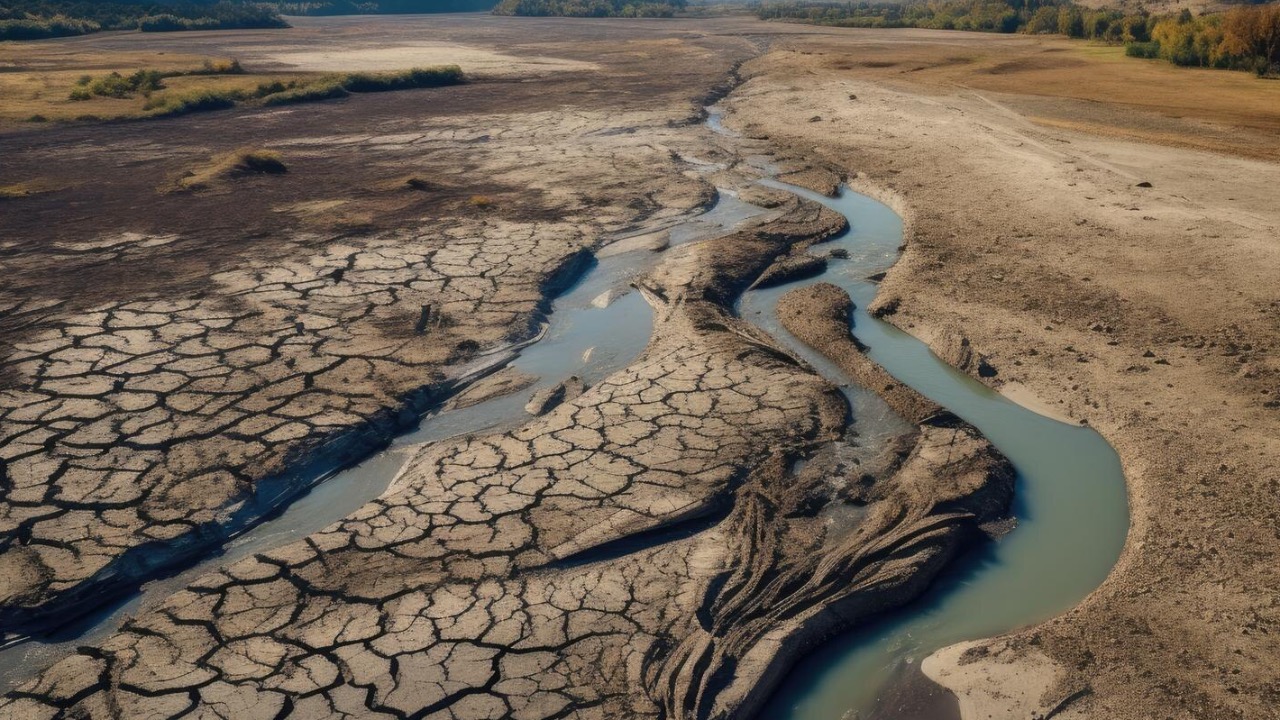
You’ve probably heard the talk—millions of acre-feet “missing” out of the Colorado River system. For years, folks pointed fingers at drought, overuse, or bad accounting. The truth, like most things out West, is more complicated. New research is starting to pin down where that water is actually going, and it’s not disappearing in the way headlines suggest.
What you’re looking at is a river stretched past its limits, moving through hot, dry country where every drop gets fought over. The losses are real, but they’re not a mystery anymore. They’re happening in plain sight once you know where to look.
Evaporation Is Taking a Bigger Bite Than Expected
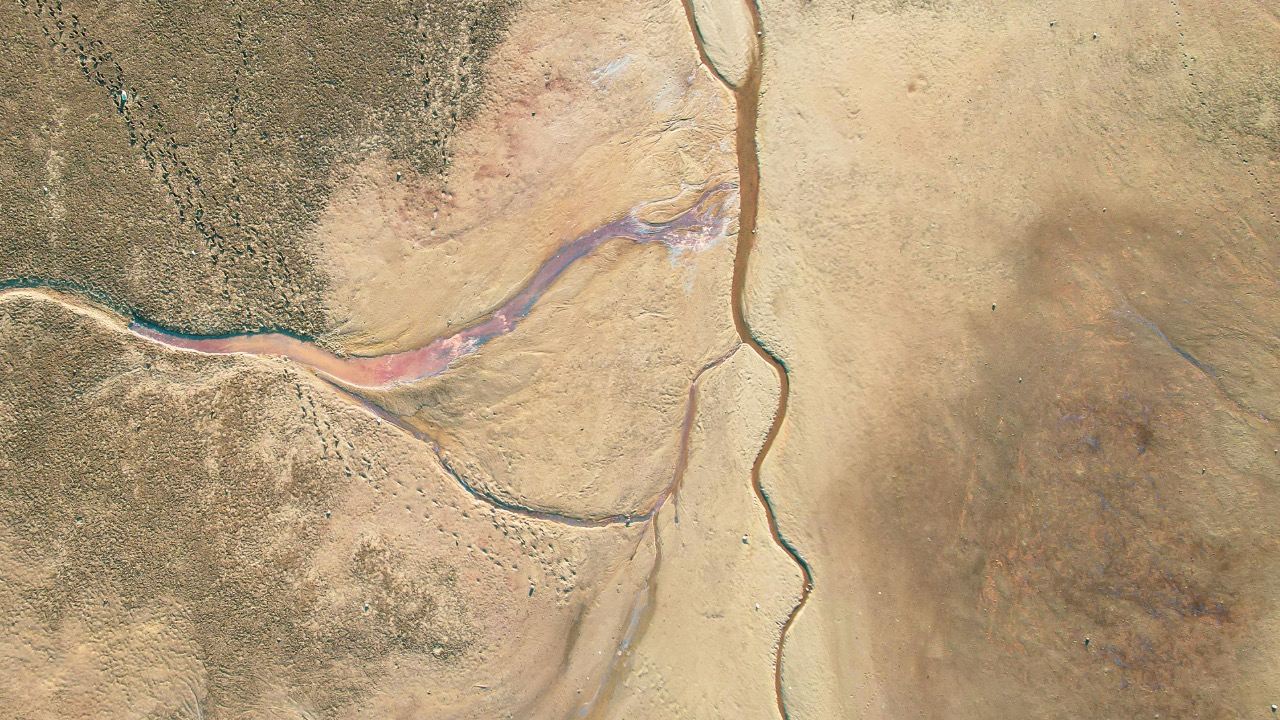
When you picture water loss, you probably think about irrigation or city use. What you don’t always see is how much simply disappears into the air. Reservoirs across the Colorado River system sit under intense sun for most of the year.
That heat pulls water straight off the surface. Studies show evaporation is claiming far more water than earlier estimates suggested, especially during prolonged hot stretches. Big bodies like Lake Mead and Lake Powell lose massive volumes annually. It’s steady, hard to measure precisely, and easy to underestimate if you’re not tracking it closely.
Seepage Into the Ground Isn’t Always Recoverable
Not all lost water is gone for good, but a good portion slips into the ground and doesn’t come back in a usable way. As the river moves through reservoirs and channels, water seeps into surrounding soils and rock layers.
Some of that recharge helps groundwater systems, but not all of it is accessible. In many cases, it moves too deep or too far from where it can be pumped economically. That’s part of the “missing” category researchers have been tracking. It’s not vanishing—it’s relocating to places that don’t help farmers, cities, or wildlife that depend on surface flows.
Rising Temperatures Are Changing the Math
You don’t need a study to tell you the West is getting hotter, but the numbers are starting to show how that heat changes water behavior. Warmer air increases evaporation rates and dries out soils faster.
That creates a double hit. More water leaves reservoirs, and more gets absorbed into dry ground before it ever reaches the main channel. Over time, those small increases stack up into significant losses. Researchers are finding that older water models didn’t fully account for how aggressive this shift would be, especially over the last couple decades.
Soil Moisture Is Quietly Soaking Up Early Flows
After dry winters or low snowpack years, the ground acts like a sponge when runoff finally comes. Before water can build streamflow, it first has to satisfy dry soils across the basin.
That means early snowmelt often disappears into the landscape instead of feeding the river. By the time flows pick up, a chunk of that water is already tied up underground. This process has been getting more pronounced, and it’s one reason runoff numbers haven’t matched expectations even in decent snow years.
Outdated Accounting Methods Missed Key Losses
For decades, water accounting in the basin relied on estimates that didn’t fully capture every form of loss. Evaporation, seepage, and system inefficiencies were often simplified or undercounted.
New studies are using better data—satellite measurements, improved modeling, and long-term observations—to fill in those gaps. What they’re finding is that the system has been losing more water than official tallies showed. That doesn’t mean someone was hiding it. It means the tools weren’t precise enough to catch everything happening across such a large and complex watershed.
Reservoir Management Plays a Role in Losses
How water is stored matters almost as much as how much is stored. Large reservoirs spread water over wide surfaces, increasing exposure to sun and wind.
When levels drop, surface area can still remain large relative to volume, which keeps evaporation high. Holding water longer in these conditions increases losses. It’s a tough balance—store too little and you risk shortages, store too much and you lose more to the air. Managers are now looking harder at how storage strategies influence total system loss.
Demand Still Outpaces What the River Can Provide
Even as researchers track where water is going, one fact stays steady: more water is promised than the river can reliably deliver. The Colorado River Basin supports millions of people, agriculture, and industry.
When supply drops and demand holds steady, every loss becomes more noticeable. Evaporation and seepage might have been easier to absorb decades ago. Now, they’re front and center because the margin for error is gone. The system is tight, and even small inefficiencies carry weight.
“Missing” Water Isn’t Missing Anymore
The phrase stuck because it captured attention, but it doesn’t hold up under closer inspection. Researchers are closing the gap on where that water goes.
You’re looking at a combination of evaporation, ground absorption, and changing environmental conditions—not a single cause. The new studies don’t solve the shortage, but they do sharpen the picture. And once you understand where the losses happen, you can start talking about how to manage them, even if the fixes won’t come easy.

Asher was raised in the woods and on the water, and it shows. He’s logged more hours behind a rifle and under a heavy pack than most men twice his age.