
Legal Scholars Argue That Supreme Court’s Overturning of Roe v. Wade May Have Rendered the Military Draft Illegal
The Supreme Court’s decision to overturn Roe v. Wade in 2022 did more than shift abortion law back to the states. It introduced a stricter way of reading the Constitution, one that demands practices be rooted in the nation’s history and tradition. Legal scholars now argue this same test could undermine the military draft itself.
The reasoning starts with the Dobbs ruling’s core idea: unenumerated rights must align with what the country understood at the founding. Some experts extend that logic to government powers. The Constitution never explicitly grants Congress the authority to conscript citizens into a national army. Early Americans relied instead on local militias for defense. When you step back and look at how the court now approaches precedent, long-accepted rules like the Selective Service system suddenly look vulnerable. Recent steps to automate registration for men ages 18 to 26 have only sharpened the focus. Scholars say the moment is ripe for a serious challenge.
The legal shift that started it all
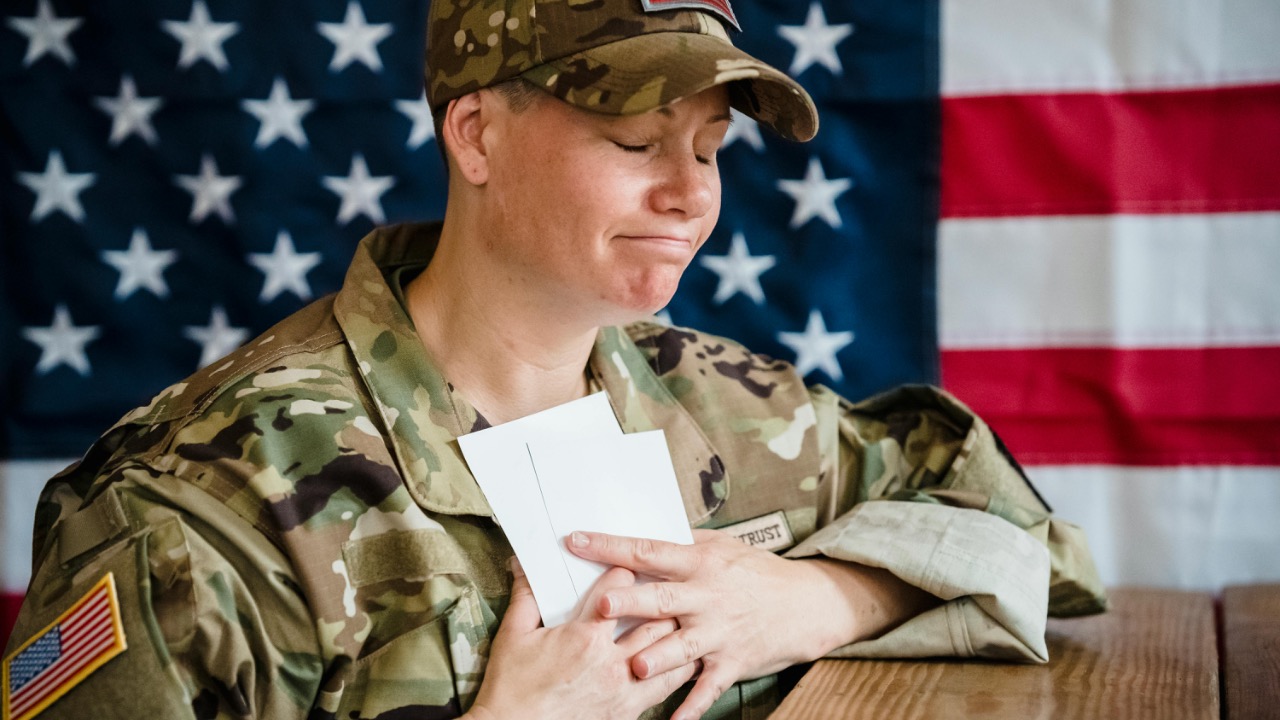
The Dobbs decision changed how the Supreme Court weighs constitutional claims. It stressed that rights not spelled out in the text must match the nation’s historical traditions. That framework, scholars note, applies pressure in both directions. It can limit individual liberties, but it can also question whether the government has overstepped its own bounds.
When you apply the same history-and-tradition lens to federal conscription, the picture shifts. The draft as we know it today has no direct counterpart in the founding period. Precedent from World War I upheld it, yet that ruling leaned on practical necessity rather than original understanding. Under today’s standards, that leaves room for doubt. Legal thinkers point out that the court has shown willingness to revisit older decisions when they clash with early American practices.
Looking back at the founders’ approach to military service
Early Americans distrusted large standing armies. They saw them as tools of kings and tyrants. Instead, the Constitution gave Congress power to raise armies while keeping tight controls, like two-year funding limits. Militia service was the norm, handled mostly at the state and local level.
You see this caution in the debates that shaped the document. The founders wanted a defense system tied to communities, not a centralized machine that could pull men away for distant wars. That setup reflected real experience from colonial times, where citizen-soldiers served short terms close to home. It was never meant to resemble the modern draft’s broad, compulsory reach.
Local militias versus a national draft
The militia clauses in the Constitution highlight the difference. States kept control over officer appointments and training. Federal involvement was limited to organizing and calling them up for specific needs. National conscription for a professional army simply did not exist at the time.
This structure mattered. It prevented the kind of forced, indefinite service that later drafts imposed. Scholars highlight how the founding generation viewed compulsory national service as foreign to their system. Local defense fit their idea of ordered liberty. A permanent draft apparatus did not.
When conscription first faced real resistance
During the War of 1812, the idea of a national draft met fierce opposition. Lawmakers and citizens argued it exceeded Congress’s powers under the Constitution. One prominent voice, Representative Daniel Webster, called it incompatible with free government and warned it would upend the citizen-state relationship.
That pushback was not fringe. It reflected a widespread belief that the federal government could organize forces but not compel individuals into them against their will. The debate showed how deeply the founding generation resisted centralized compulsion. Those arguments echoed for decades before any draft law passed.
The Civil War era and new questions
The first national draft came during the Civil War, decades after the founding. Even then, it sparked riots and legal challenges. Critics, including Chief Justice Roger Taney in an unpublished opinion, insisted the power to “raise” an army did not include forcing service. The 13th Amendment’s ban on involuntary servitude added another layer of objection.
Resistance was widespread. People saw conscription as a radical break from earlier practice. While the war context made it politically possible, it never settled the deeper constitutional questions. Those early doubts lingered even as the system evolved.
How the Supreme Court handled it in World War I
In 1918 the Supreme Court finally upheld the draft in the Selective Draft Law Cases. The justices relied on broad notions of national sovereignty and wartime necessity rather than a close reading of founding-era history. They compared the U.S. to other countries with conscription systems.
That approach sits awkwardly beside today’s emphasis on history and tradition. The ruling did not grapple with the absence of national drafts at the founding or the strong early objections. Legal scholars now suggest this leaves the decision open to fresh scrutiny under the Dobbs framework.
The role of recent changes in draft registration
Last December’s National Defense Authorization Act led to rules that automatically register men ages 18 to 26 for the Selective Service. The change streamlines the process without requiring individual action. It quietly strengthens the infrastructure that supports any future draft.
This timing matters. With international tensions rising, the automated system puts the mechanism in sharper relief. Scholars see it as the kind of concrete step that could invite a lawsuit testing the draft’s constitutionality head-on. It creates a clear moment for someone affected to bring the issue before the courts.
Why this argument matters in today’s world
The debate goes beyond theory. A successful challenge could reshape how the country staffs its military and limits executive war-making. It would force Congress to rely more on volunteers or rethink its powers entirely. Young people facing registration would gain new legal ground to question the system.
At the same time, the court’s commitment to originalism would face a direct test. If history and tradition truly guide decisions, the lack of founding-era support for national conscription becomes hard to ignore. The conversation is just beginning, but it could reshape assumptions that have stood for more than a century.

Asher was raised in the woods and on the water, and it shows. He’s logged more hours behind a rifle and under a heavy pack than most men twice his age.