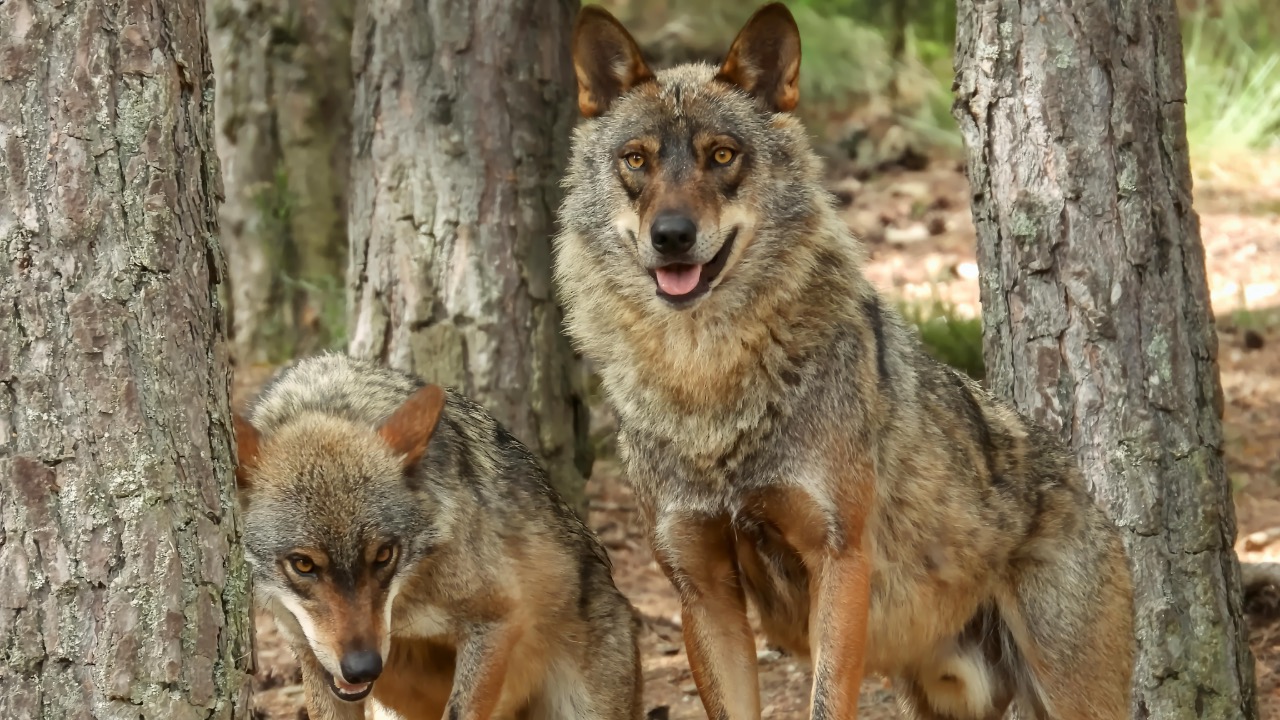
10 U.S. States Where Wolves Are Quietly Wiping Out Deer Herds
Claims that wolves are “wiping out” deer herds get a lot of attention, but the reality is more complicated. Predator–prey cycles, habitat conditions, weather, and hunting pressure all play a role in deer numbers. Wolves do impact local herds, especially where populations have rebounded, but they’re rarely the only factor behind declines.
Wildlife agencies tend to look at the full picture before blaming a single cause. In some areas, wolves have changed how deer move and where they feed, which can make it seem like numbers dropped faster than they actually did. In others, harsh winters or habitat loss have had a bigger effect than predation alone.
Northern Rockies: Idaho, Montana, and Wyoming
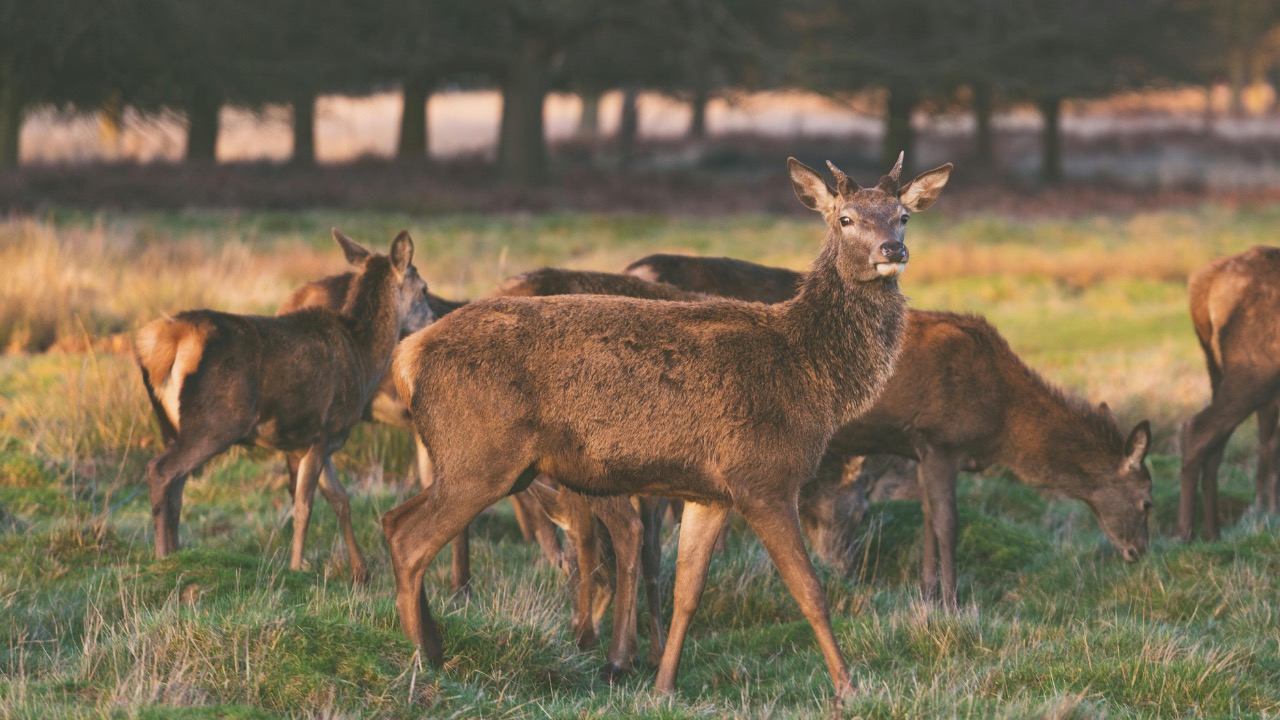
In states like Idaho, Montana, and Wyoming, wolf populations have been established for years, and their presence is part of everyday wildlife management. Hunters and ranchers often report fewer deer sightings in certain zones, especially where wolf packs are active.
State data shows mixed trends. Some regions have seen localized declines in mule deer or elk, while others remain stable. Wildlife managers regularly adjust hunting quotas and seasons to balance predator numbers with herd health rather than pointing to wolves as a single cause.
Great Lakes Region: Minnesota, Wisconsin, and Michigan
The Great Lakes states — Minnesota, Wisconsin, and Michigan — hold some of the largest wolf populations in the lower 48. In these areas, white-tailed deer and wolves have coexisted for decades, but the balance shifts depending on winter severity and habitat conditions.
Harsh winters in particular can weaken deer herds, making them more vulnerable to predation. When that happens, wolves can have a noticeable short-term impact. Over time, though, populations often rebound as conditions improve and management strategies adjust.
Pacific Northwest: Washington and Oregon
In Washington and Oregon, wolf populations are still expanding, which has brought renewed attention to their impact on deer and elk. Some local communities have reported fewer game sightings in areas where wolves have recently returned.
Wildlife officials in both states emphasize that these ecosystems are still adjusting. Early impacts can look dramatic, but long-term data is still developing. Management plans often focus on monitoring pack growth while trying to limit conflicts with both hunters and livestock producers.
Alaska and the Upper West
Alaska has long had large wolf populations, and predator control has been debated there for decades. In certain remote regions, wolves can significantly affect moose and deer numbers, especially when combined with tough environmental conditions.
Other western areas also report similar patterns where multiple predators, including bears and mountain lions, overlap with wolf territories. In these ecosystems, it’s rarely just one species driving population changes, which is why management decisions tend to be highly localized.
What the Data Actually Suggests
Across these ten states, the idea that wolves alone are “wiping out” deer herds doesn’t fully match how wildlife populations behave. There are cases where wolves have a strong local impact, but broader trends usually involve several overlapping factors.
Wildlife agencies continue to monitor populations closely, using hunting regulations, conservation efforts, and in some cases controlled predator management to keep things balanced. The situation isn’t static, and both deer and wolf populations tend to rise and fall over time depending on conditions.

Leo’s been tracking game and tuning gear since he could stand upright. He’s sharp, driven, and knows how to keep things running when conditions turn.