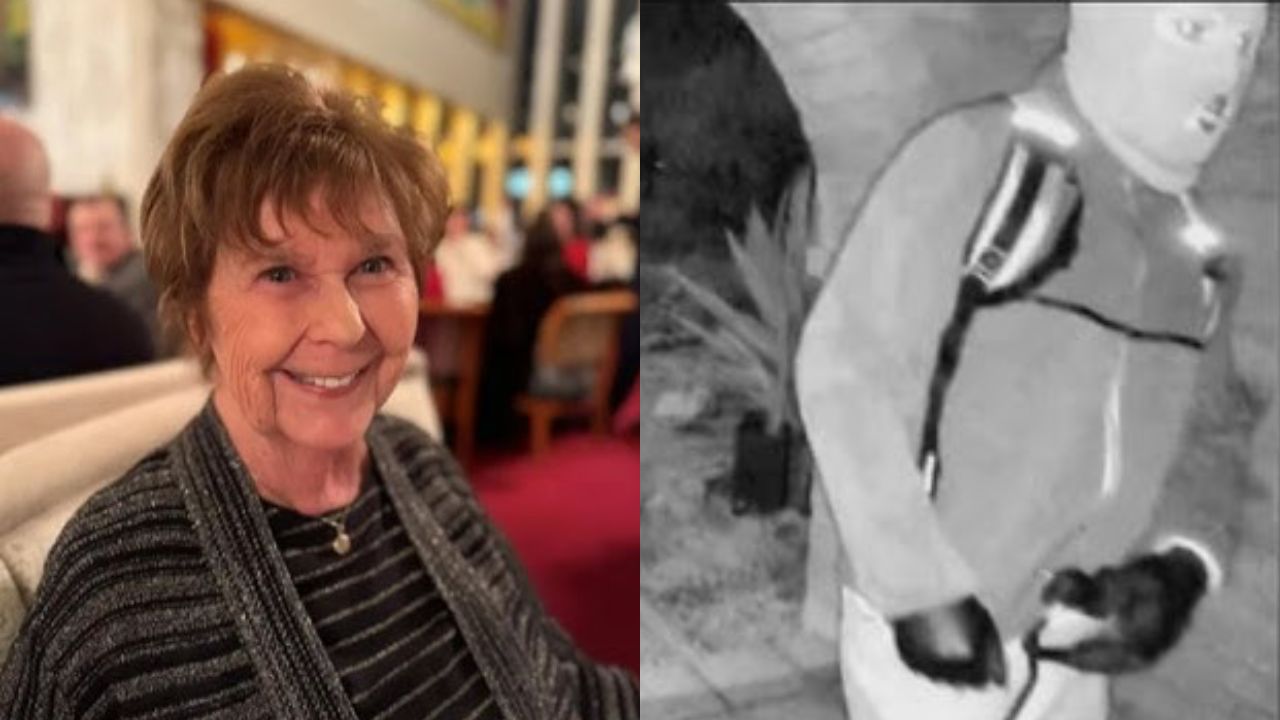
Update on Nancy Guthrie Case: Former F.B.I. Agent Suggests Family Should Be Concerned by DNA Evidence
The investigation into the disappearance of Nancy Guthrie has taken another step forward as new DNA evidence from her Arizona home is being reviewed by federal investigators. The material includes biological samples collected from inside the residence and nearby areas, now undergoing more advanced testing by the FBI.
The case has remained active since her disappearance in early February, with authorities treating the home as a crime scene and continuing to analyze multiple pieces of forensic evidence. Recent updates indicate that DNA from several unknown individuals has been recovered, but so far no clear matches have been confirmed in federal databases.
Former FBI agent weighs in on what DNA could mean

A former FBI agent reviewing the case suggested that the presence of mixed or unidentified DNA should be taken seriously, especially in an open investigation involving a possible abduction. The concern is not just the presence of DNA itself, but what it could indicate about how many people may have been involved and how the scene developed.
Experts often point out that DNA evidence can either narrow down suspects or complicate a case, depending on how clean or mixed the samples are. In situations where multiple profiles appear, investigators have to separate meaningful evidence from background contamination, which can take time and still lead to uncertain conclusions.
What investigators have found so far
Authorities have confirmed that biological evidence was collected from inside the home, including items linked to possible entry points and areas of disturbance. Some samples have been sent to multiple labs for cross-checking and advanced analysis, a process that can take weeks or even months depending on complexity.
Earlier reports also indicate that DNA found at the scene has not matched known entries in federal systems so far, meaning investigators are still trying to identify who the genetic material belongs to. This keeps the case open and shifts focus toward broader forensic genealogy methods.
Why the family is being advised to stay alert
The warning from the former FBI agent centers on how DNA evidence can sometimes point in unexpected directions. In missing person or suspected abduction cases, even small forensic developments can reshape the investigation quickly, especially if new matches or patterns emerge later.
For families, that often means preparing for updates that may change the direction of the case without warning. Investigators typically avoid drawing conclusions early, but outside analysts sometimes highlight that complex DNA results can suggest either multiple suspects or contamination from unrelated sources.
The broader investigation continues
Law enforcement officials have emphasized that the investigation is still active, with teams continuing to review surveillance footage, physical evidence, and digital data tied to the timeline of her disappearance. No confirmed suspects have been publicly identified at this stage, and officials have avoided speculation about outcomes.
At the same time, the growing attention on DNA evidence shows how central forensics has become in the case. Whether the samples eventually lead to a match or not, they are expected to play a major role in determining what happened and whether new leads emerge in the coming weeks.

Leo’s been tracking game and tuning gear since he could stand upright. He’s sharp, driven, and knows how to keep things running when conditions turn.