Iranian Military Adviser Warns of Sinking U.S. Ships Patrolling Strait of Hormuz
Tensions in the Persian Gulf never stay quiet for long, and the latest flare-up centers on the Strait of Hormuz. An Iranian military adviser has directly challenged American naval operations there, warning that U.S. ships could face immediate attack if Washington keeps positioning itself as the enforcer of passage through the waterway. This comes against the backdrop of a recent U.S. blockade on Iranian ports and a shaky ceasefire following weeks of conflict. The statement, delivered on state television, underscores how quickly rhetoric can sharpen when core interests like energy routes collide.
The Adviser Who Spoke Out
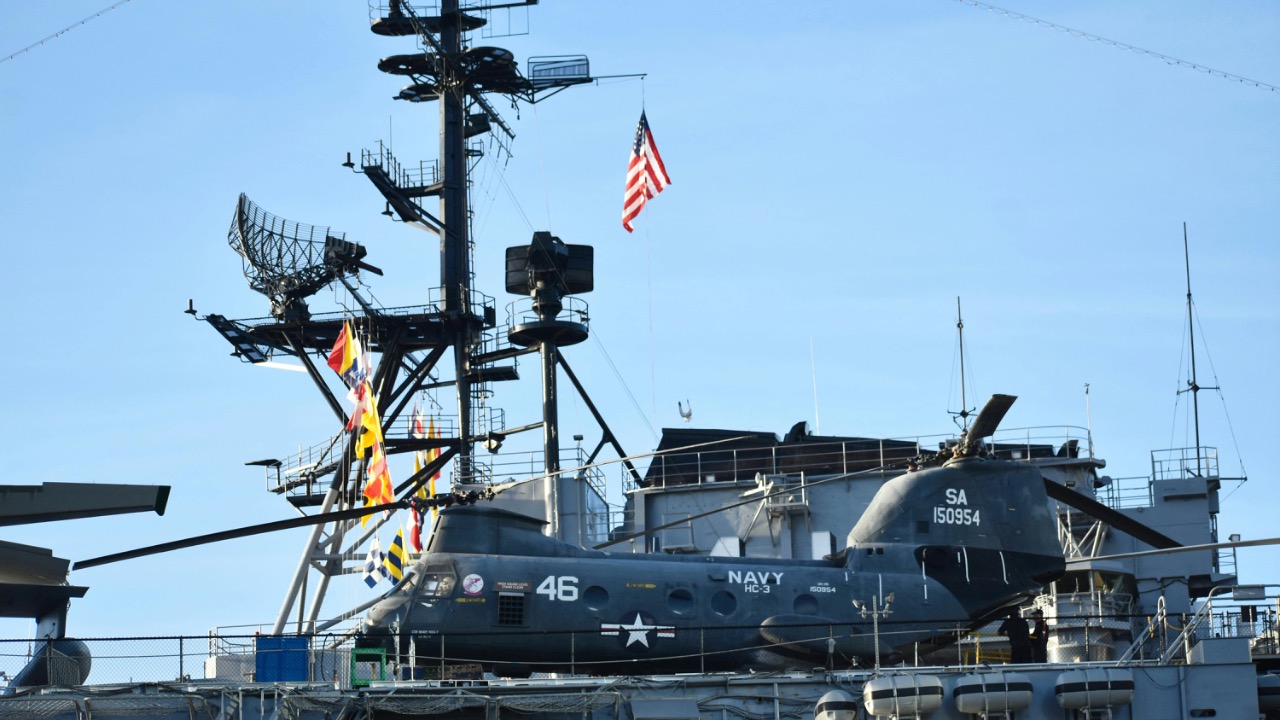
Mohsen Rezaei carries decades of experience inside Iran’s military structure. He led the Revolutionary Guards for many years and received his latest appointment as a senior military adviser just last month. When he appeared on state television in uniform, his words carried the weight of someone who knows the chain of command from the inside. You notice how such figures often frame their messages with a mix of defiance and calculation, drawing on their long track record to signal resolve without leaving room for misinterpretation. His background in the Guards gives the warning an institutional edge that goes beyond any single interview.
This is not the first time Rezaei has weighed in on high-stakes naval matters, but the timing aligns with fresh friction over who controls movement in the Gulf. His appointment reflects continuity in Tehran’s approach to security issues, especially when foreign navies draw close to what Iran sees as its near waters.
The Specific Warning Issued
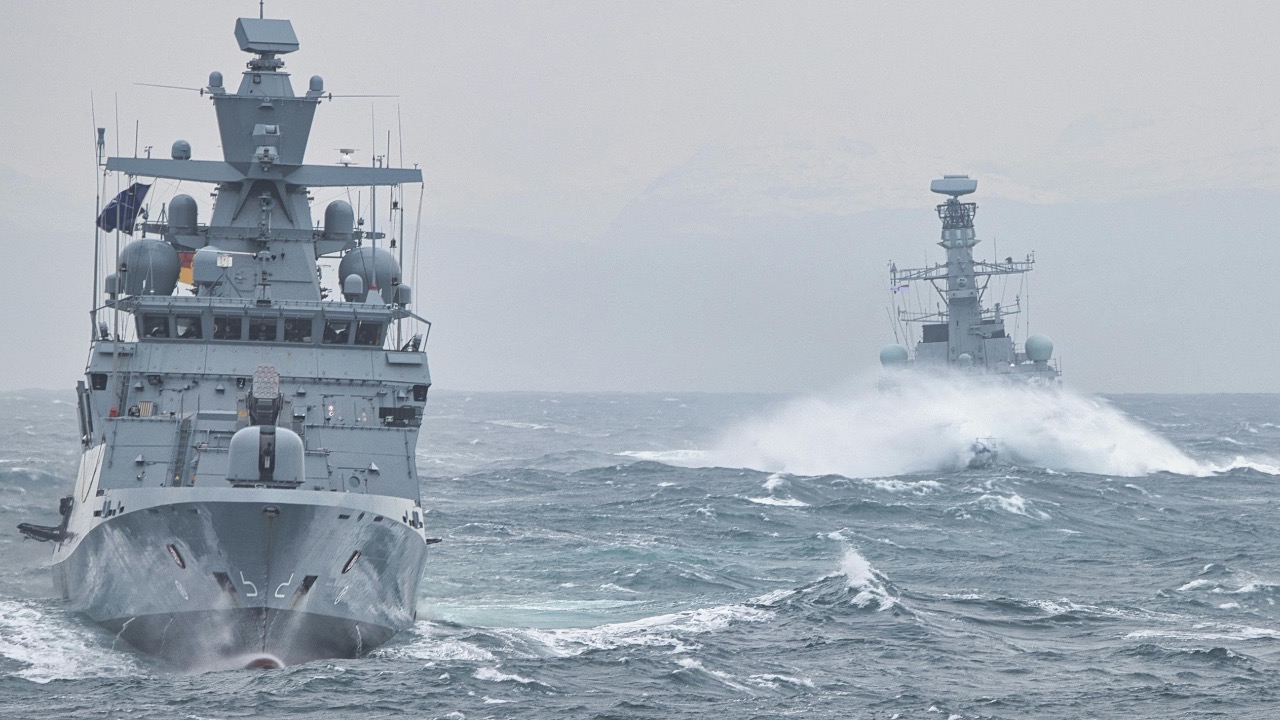
Rezaei stated plainly that American vessels attempting to police the Strait of Hormuz would be sunk by Iran’s first missiles. He questioned whether it was truly the role of the U.S. military to act as enforcer there, asking if that fit the job of a powerful force. The remarks left little ambiguity about the risk he described for U.S. ships operating in the area.
He added that the presence itself had created a serious danger for American forces, emphasizing that the ships remained exposed to Iranian capabilities. Delivered with visible seriousness on state television, the message aimed to deter rather than invite immediate clash. Observers tracking the exchange note how direct language like this raises the stakes in an already charged environment.
Context of the Ongoing Blockade
The United States has placed a military blockade on Iranian ports in response to earlier disruptions in the Strait during six weeks of fighting. Iran, for its part, restricted navigation and required permission for vessels to pass, allowing only select friendly traffic through. A fragile two-week ceasefire now holds, but both sides continue to maneuver around the waterway.
Rezaei used the moment to push back against what he called American overreach. The blockade and Iran’s countermeasures have turned routine shipping into a point of confrontation. You can see how each move feeds the next, keeping pressure high even as diplomats discuss next steps in places like Pakistan.
Strategic Value of the Strait
The Strait of Hormuz sits at a narrow choke point barely 34 kilometers wide at its tightest. Roughly one-fifth of the world’s seaborne oil trade flows through it, feeding markets from Saudi Arabia, the UAE, Iraq, and Qatar. Any sustained interruption here ripples straight into global energy prices and supply chains.
Nations on all sides recognize that control over this route translates into leverage far beyond the immediate region. Iran’s warnings tap into that reality, reminding everyone that threats to passage carry economic weight. The geography itself makes the waterway a permanent focus whenever tensions rise between Tehran and outside powers.
Iran’s Stance on US Policing
Rezaei challenged the idea of the U.S. taking on a policing role, directing his criticism at President Trump by name. He argued that such actions crossed into territory Iran would not accept without response. The position aligns with Tehran’s long-held view that external navies should not dictate terms in waters it considers its own backyard.
Iran has insisted it will not yield control unless its rights are respected. This approach frames the current standoff as a defense of sovereignty rather than aggression. As you follow the exchanges, the consistent thread is Tehran’s determination to set its own conditions for any de-escalation.
The Remarkable Claim About Invasion
In the same remarks, Rezaei suggested a U.S. ground invasion of Iran would actually benefit his side. He claimed Iranian forces could capture thousands of hostages and secure a billion dollars for each one in ransom. The statement stood out for its bluntness, turning a hypothetical escalation into something presented as advantageous.
Such comments reveal how Iranian officials sometimes calculate that prolonged entanglement could play to their strengths in asymmetric warfare. It also signals confidence in their ability to turn pressure back on the adversary. The remark adds another layer to the verbal escalation already underway.
Military Background Shaping the Message
Rezaei’s career inside the Revolutionary Guards equips him to speak with authority on Iran’s defensive posture. He referenced Iran’s preparation for extended conflict and pushed back against any notion that its naval forces had been neutralized. His words drew on a history of exercises and operations focused on the Strait, including one conducted earlier this year.
You see the institutional memory at work here. The Guards have long emphasized missile and small-boat tactics suited to the confined waters of the Gulf. That foundation gives weight to the threats issued, even if actual outcomes would depend on many variables.
Where Things Stand Right Now
A second round of talks is approaching after an initial round in Pakistan ended without agreement. The White House has expressed hope that a deal could wrap up the seven-week conflict soon. Meanwhile, the Pentagon continues reinforcing its presence, with additional troops and multiple aircraft carriers already in the region or en route.
The ceasefire remains delicate, and Rezaei himself voiced opposition to extending it. Both sides are watching each other’s next moves closely. For now, the exchange of warnings and blockades keeps the Strait of Hormuz at the center of a standoff that could shift quickly depending on how diplomacy unfolds in the coming days.

Asher was raised in the woods and on the water, and it shows. He’s logged more hours behind a rifle and under a heavy pack than most men twice his age.