Lures that work better in theory than practice
Every angler has a box full of ideas that made sense at the counter or on a late-night scroll. The packaging promised answers, the action looked right in a tank, and the logic checked out. Then you tied it on and waited. And waited. Some lures look perfect on paper but fall apart once current, wind, boat position, and real fish enter the picture.
These aren’t gimmicks, and they aren’t useless everywhere. They simply demand conditions that rarely line up. If you’ve fished long enough, you’ve probably owned a few of these and quietly stopped tying them on. Here are the ones that tend to shine more in explanation than on the end of your line.
Multi-Jointed Hard Swimbaits
Multi-jointed hard swimbaits look incredible in the water. The segmented bodies glide and sway with a motion that screams realism. In calm tanks or swimming pools, they resemble small baitfish better than almost anything else you can buy.
On real water, that action can turn against you. In chop or current, the lure often overworks itself and loses the clean movement it’s designed for. They also tend to foul hooks more than advertised, especially around cover. Add the need for precise retrieve speed, and you’re left babysitting a lure instead of fishing. They catch anglers faster than they catch fish.
Prop-Tail Topwater Baits
Prop-tail topwaters sound great on paper. Flash, vibration, and surface disturbance all rolled into one bait. The idea is that the spinning tail calls fish up from distance and triggers aggressive strikes.
In practice, they’re finicky. They need the right speed to keep the prop spinning, but not so fast that the bait skids across the surface. Any grass or floating debris kills the action immediately. They also shine in narrow windows, usually low light and calm water. Outside those moments, they get ignored while simpler topwaters get crushed right next to them.
Blade Baits
Blade baits promise efficiency. Heavy, compact, and loud, they’re built to fish deep and stay there. The vibration is strong, and the flash is obvious. On paper, they should be perfect for cold water and pressured fish.
The trouble comes with control. They fall fast and snag easily, especially around rock or wood. The vibration shuts off if your retrieve isn’t dialed in, and many anglers struggle to feel the bait working. Miss that window, and it’s a chunk of metal dragging bottom. When conditions are right, they shine. Most days, they feel like more effort than reward.
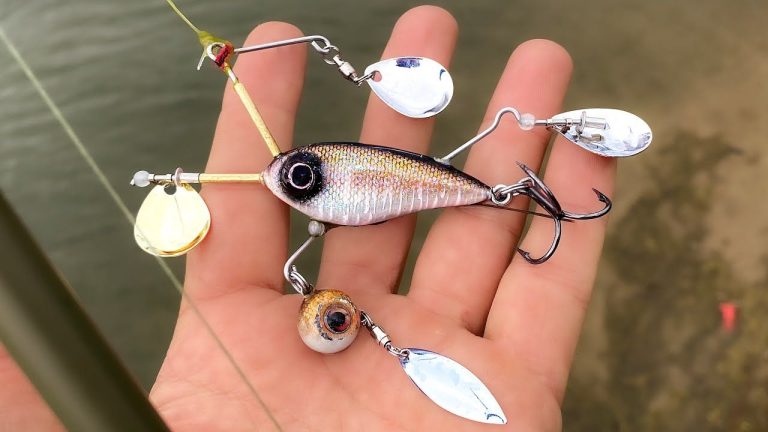
Umbrella Rigs in Clear Water
Umbrella rigs make sense when you think about schooling bait. Multiple wires, multiple bodies, one cast that looks like a small group of fish. It’s a solid idea and it works under specific conditions.
Clear water exposes their weakness. Fish get a good look and often shy away from the unnatural profile and hardware. They’re also heavy, tiring to throw, and awkward around cover. Without the right depth and fish mood, they feel intrusive rather than tempting. Plenty of anglers buy one, fish it hard for a week, then quietly move it to the back of the box.
Hollow-Body Craw Imitations
A hollow-body craw seems like a smart evolution. Soft body, natural shape, and weedless design should make it a go-to around cover. In theory, it offers realism without the snagging issues.
In real use, many of them lack consistent action. The claws don’t always move unless retrieved at very specific speeds. Hookup ratios can be frustrating, especially with thicker plastic bodies. Fish often short-strike or clamp down without getting hooked. You end up adjusting hooks, trimming plastic, and tinkering more than fishing, which defeats the point of tying one on.
Vibrating Jigs with Oversized Blades
Oversized blades promise extra vibration and flash, especially in dirty water. The logic says more movement equals more attention, which should lead to more bites.
Often, it leads to fewer. The heavy blade can overpower the jig, causing it to roll or hunt unpredictably. That sounds good until it starts fouling the hook or riding sideways. In moderate current or wind, control becomes an issue. Instead of covering water efficiently, you’re fighting the bait to keep it running true. Standard vibrating jigs quietly outfish them most days.
Floating Soft Plastics for Bottom Presentations
Floating plastics sound like a smart tweak. They keep claws or tails elevated, making the bait look defensive and alive when sitting still. On paper, that’s a clear advantage.
The problem is balance. Many floating plastics alter how a bait falls or rests, especially on lighter rigs. They can look stiff or unnatural once they hit bottom. In current, they may lift too much and lose contact. Fish often respond better to subtle movement than exaggerated posture. What looks perfect in still water doesn’t always translate to a convincing bottom presentation.
Deep-Diving Crankbaits Over Extreme Depth
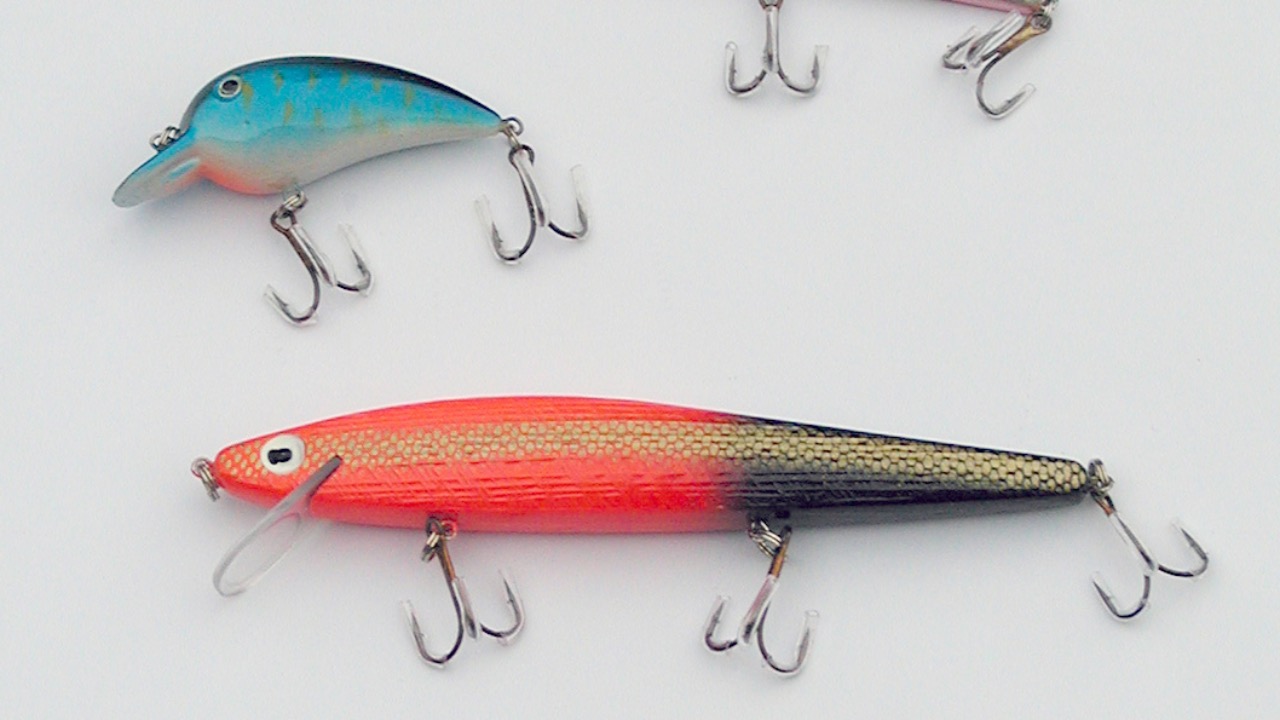
Deep divers advertise reach. They promise to hit depths that other cranks can’t, which sounds like a solution for offshore structure and suspended fish.
The reality is fatigue and control. They pull hard, require heavy gear, and demand long casts to reach advertised depths. Any current, wind, or boat drift shortens their effective range. You spend a lot of energy grinding a lure that’s only occasionally in the strike zone. When fish want that exact presentation, they’re deadly. Most days, they’re more work than they’re worth.
Scent-Injected Hard Baits
Adding scent to hard baits seems like a logical step. If scent helps soft plastics, why not combine it with flash and vibration?
The issue is dilution. Scent washes off quickly, especially at higher speeds. Fish that commit to hard baits usually do so on reaction, not smell. The added scent rarely changes outcomes and sometimes creates a false sense of confidence. You fish it longer than you should, believing the scent will turn things around. Meanwhile, a standard version of the same bait would have told you sooner to switch.

Asher was raised in the woods and on the water, and it shows. He’s logged more hours behind a rifle and under a heavy pack than most men twice his age.