What to Do if You Discover a Ground Wasp Nest
You don’t usually spot a ground wasp nest until you’re right on top of it. One second you’re mowing, walking a fence line, or stepping through cover—next thing you know, the air is buzzing and you’re moving faster than you planned. It happens quick, and if you don’t handle it right, it can get worse in a hurry.
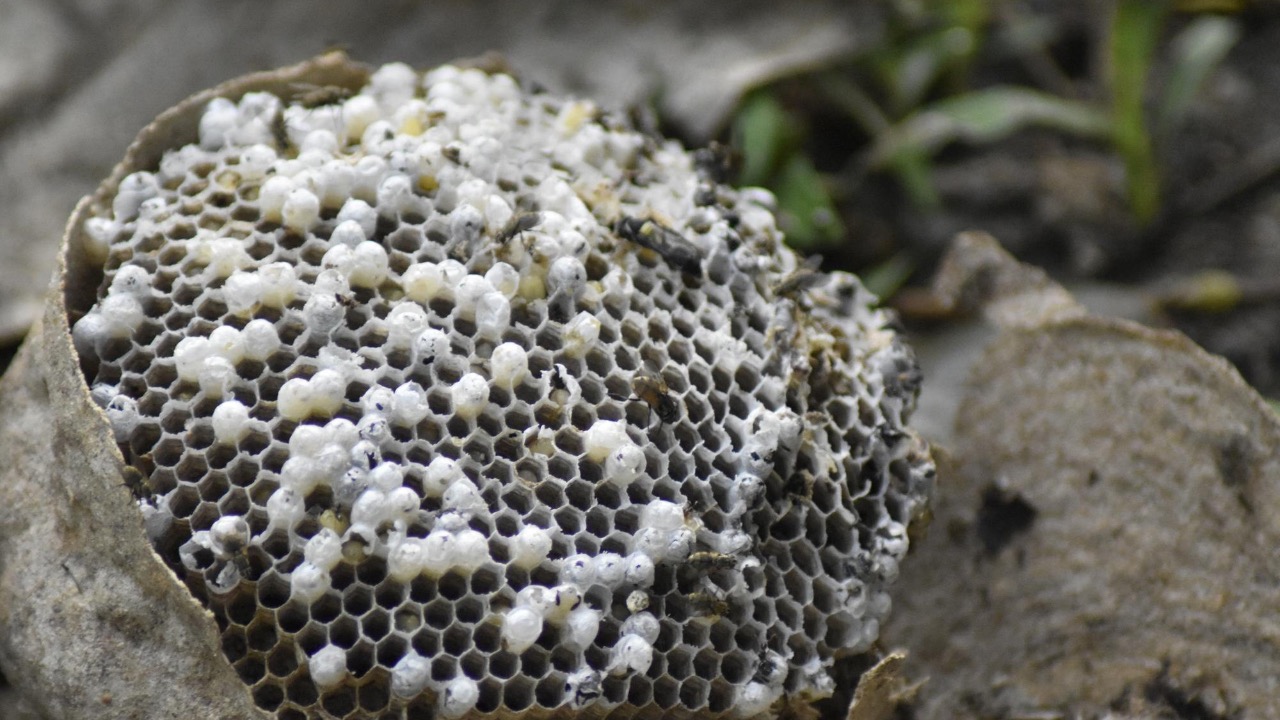
Ground-nesting wasps are defensive, especially late in the season. They’re not out looking for trouble, but they will protect that hole in the dirt like it matters. If you find one, your next move matters more than anything. Here’s how to handle it without making a bad situation worse.
Back Out Slow and Put Distance Between You and the Nest
When you realize what you’ve found, your first instinct might be to run. That usually makes things worse. Fast movement and swatting tend to trigger more aggressive behavior.
What you want to do is steady yourself and move away with purpose, not panic. Put as much distance between you and the nest as you can without flailing around. Once you’re clear, keep going another 20 to 30 yards. Most ground wasps defend a tight perimeter, and once you’re outside it, the pressure drops off fast. Staying calm in those first few seconds makes a big difference.
Mark the Location So You Don’t Walk Into It Again
After you’ve cooled off, go back and mark the spot from a safe distance. A flagged stick, a piece of tape, or even a rock pile works if you keep it visible.
It’s easy to forget exactly where the nest sits, especially in tall grass or uneven ground. Marking it keeps you, your family, or anyone else from stumbling into the same problem later. If you’re working land—mowing, checking fences, running equipment—this step matters more than you think. One marked hole can prevent a second run-in that won’t go as smoothly.
Figure Out What You’re Dealing With
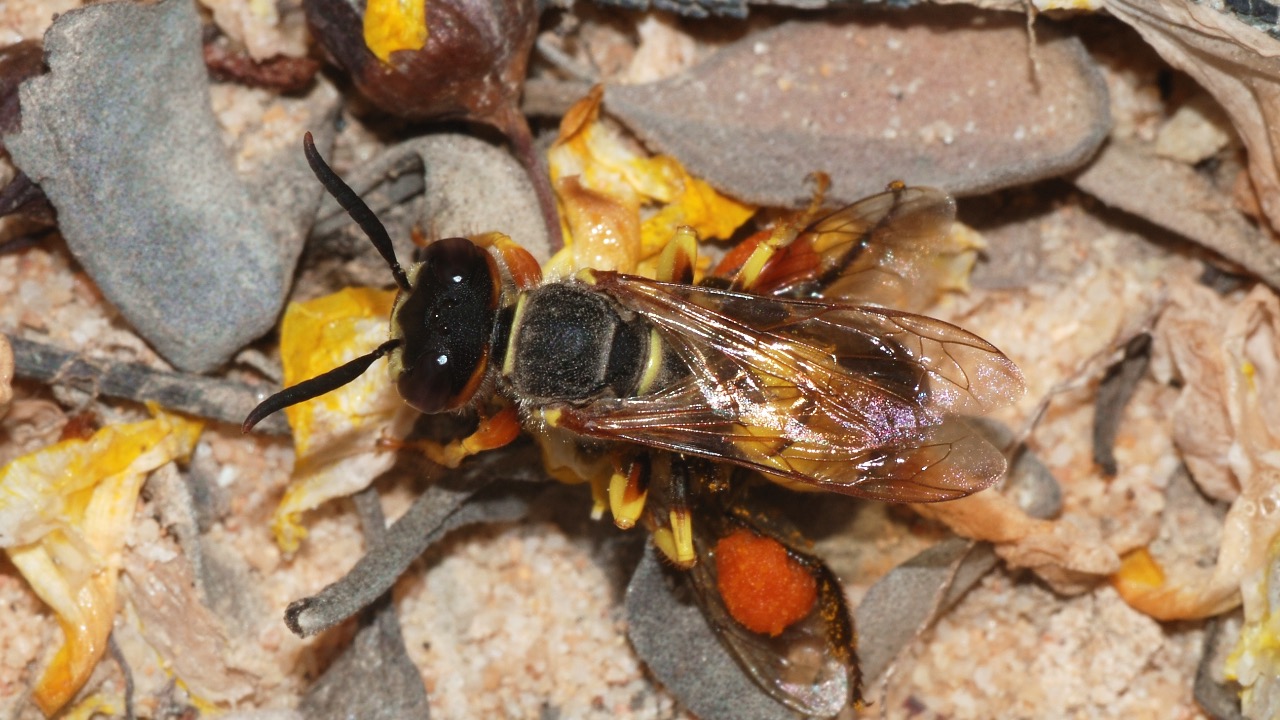
Not every hole in the ground belongs to the same kind of insect. Yellowjackets are the usual culprit, and they tend to be the most aggressive of the bunch.
You’ll notice steady traffic in and out of a single entrance, often with a low, direct flight path. That’s your sign. Other ground-nesting wasps can be less defensive, but it’s not worth guessing wrong. If there’s a steady stream of insects coming and going, treat it like a hot nest. Knowing what you’re dealing with helps you decide whether to leave it alone or take the next step.
Avoid Mowing or Disturbing the Area During the Day
Daytime is when the nest is most active. That’s when workers are moving in and out, and any vibration or disturbance gets their attention fast.
Running a mower or walking repeatedly over the area is a good way to stir things up. If you can, give the spot a wide berth until you decide how to handle it. If the nest sits in a high-traffic area, plan your approach for later. Timing matters with these insects, and working around their schedule can keep things under control.
Handle Removal at Night When Activity Drops
If you decide the nest needs to go, night is your window. Most of the colony is inside, and activity is at its lowest.
Use a wasp-specific insecticide labeled for ground nests and follow the directions closely. Approach with a flashlight, keep your movements controlled, and treat the entrance directly. Then back out the same way you came in. You’re not trying to stir them up—you’re trying to end the problem with as little commotion as possible. Night work keeps the risk down and the odds in your favor.
Wear Proper Protection Before You Get Close
Even with good timing, you need to respect what you’re dealing with. Ground wasps can sting multiple times, and a handful of them can make for a bad situation.
Long sleeves, thick pants, gloves, and eye protection go a long way. If you’ve got a hat or head net, use it. You’re not trying to look pretty—you’re trying to avoid getting lit up. The more skin you cover, the better your chances of getting in and out without taking hits.
Know When to Call a Professional
Some nests are bigger than they look. If you’re seeing heavy traffic or the nest sits in a tough spot—near a home, a walkway, or where kids and pets spend time—it may not be worth handling yourself.
Professional pest control has the tools and experience to deal with large or risky nests safely. There’s no shame in stepping back and letting someone else take it. A bad encounter with a ground nest can escalate fast, and sometimes the smarter move is knowing when not to push it.
Keep an Eye on the Area After Treatment
Taking care of a nest once doesn’t mean you’re done. Check the area over the next few days to make sure activity has stopped.
If you still see movement, a second treatment may be needed. Also pay attention to nearby ground—wasps can set up more than one nest in the same general area. Staying alert helps you catch problems early before they turn into another close call.
Ground wasp nests aren’t rare, and if you spend enough time outside, you’ll run into them. Handle it right, stay level-headed, and you can deal with it without turning it into a bigger problem than it needs to be.

Asher was raised in the woods and on the water, and it shows. He’s logged more hours behind a rifle and under a heavy pack than most men twice his age.