15 ‘Survival’ Knives That Underperform in Basic Tasks, Tests Show
You don’t have to spend long around knives to realize the “survival” label gets thrown around pretty loosely. A blade can look the part—thick spine, black coating, aggressive profile—and still fall short when you ask it to carve, slice, or hold an edge through real work.
Over the years, a handful of well-known models keep coming up in conversations for the wrong reasons. Not because they’re useless, but because they don’t live up to what you’d expect once you get them out of the box and into the field. Here’s a closer look at 15 survival knives that tend to underperform where it counts.
Gerber Bear Grylls Ultimate Knife Comes Up Short in Hard Use
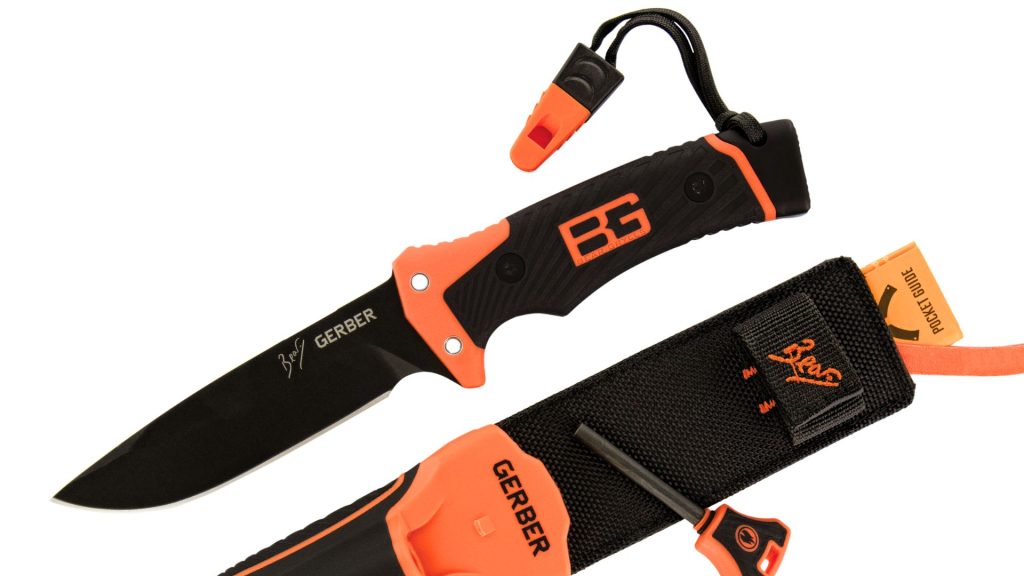
You’ve probably seen this knife everywhere. It’s marketed as a do-it-all tool, but once you start pushing it, the limits show. The partial tang construction raises concerns when you get into batoning or heavier tasks.
The blade itself is serviceable for light cutting, but edge retention isn’t strong. You’ll find yourself touching it up more often than you’d like. For a knife carrying the survival label, you expect more confidence under stress than this one delivers.
Smith & Wesson SWBG2 Struggles With Edge Retention
This one is affordable and widely available, which explains its popularity. But when you put it to work, the steel shows its weaknesses pretty quickly.
It dulls fast during carving and general camp use. You can sharpen it back, but that cycle repeats often. For occasional use, it’s manageable. For extended time in the field, it turns into extra maintenance you don’t need.
United Cutlery M48 Survival Knife Leans Too Far Into Design
The M48 looks aggressive, and that’s part of the draw. But the blade geometry doesn’t translate well to practical tasks.
You’ll notice it when trying to slice or carve. The shape gets in the way, and control isn’t where it should be. It’s a knife that prioritizes appearance over function, and that shows once you rely on it for more than light cutting.
Schrade SCHF9 Suffers From Bulk and Poor Grind
On paper, the SCHF9 checks a lot of boxes—full tang, thick blade, tough build. In hand, it feels oversized for many tasks.
The grind is thick behind the edge, which makes carving and slicing harder than it should be. You can get it to perform better with some work, but out of the box, it doesn’t cut as cleanly as a knife in this category should.
Frost Cutlery Survival Knife Falls Behind in Steel Quality
Frost knives have been around a long time, but this model shows its limits in the steel. It doesn’t hold an edge well under repeated use.
You’ll feel it after basic tasks like cutting cordage or shaping wood. The edge fades quickly, and performance drops off. It’s a reminder that steel choice matters more than how the knife looks.
Elk Ridge ER-200-06 Lacks Durability Under Pressure
Elk Ridge puts out budget-friendly knives, and this one fits that mold. The problem shows up when you start asking more from it.
The construction isn’t built for heavy use. Under stress, you’ll notice flex and reduced confidence in the build. It’s fine for light duty, but it doesn’t hold up when pushed into real survival tasks.
Tac Force TF-705 Trades Performance for Price
This knife is easy on the wallet, but that comes with trade-offs. The materials and construction don’t hold up under sustained use.
Edge retention is weak, and the overall build doesn’t inspire confidence. It’s a knife that works for occasional cutting, but it’s not something you’d want to depend on when things get serious.
MTech USA MT-20-55 Relies Too Much on Style
MTech leans heavily into design, and this knife shows it. The blade shape and finish catch your eye, but performance doesn’t match.
Carving and slicing feel awkward due to the geometry. It’s not a natural worker in hand. When you need control and efficiency, it falls short compared to more straightforward designs.
Gil Hibben Survivor Knife Prioritizes Looks Over Function
Gil Hibben designs have a strong visual identity, but this model doesn’t translate well to field use. The handle and blade design limit versatility.
You’ll struggle with finer tasks, and overall control isn’t where it should be. It’s better suited for display than for actual survival work where consistency matters.
Survivor HK-106381 Shows Weakness in Construction
This knife is often marketed as a rugged option, but the build doesn’t fully support that claim. Under heavier use, weaknesses become noticeable.
The tang and handle connection don’t offer the strength you’d expect. It’s another case where marketing outpaces real-world performance.
Timber Rattler Bowie Knife Feels Oversized and Unbalanced
The Timber Rattler brings a lot of blade, but not much control. It’s large and heavy, which limits its usefulness across common tasks.
You can swing it, but try carving or detailed work and it quickly becomes clumsy. The weight distribution works against you over time, especially during longer sessions.
SOG SEAL Strike Lacks Cutting Efficiency Out of the Box
SOG has a solid reputation, but this model doesn’t always meet expectations right away. The factory edge and grind can feel underwhelming.
You may need to rework the edge to get the performance you want. Until then, it doesn’t slice as cleanly as it should for a knife in its class.
Cold Steel Survival Edge Falls Short in Materials
Cold Steel makes some strong blades, but the Survival Edge is more entry-level. The materials reflect that.
Edge retention and overall durability aren’t on par with their higher-end models. It works for light use, but it’s not built for extended, demanding conditions.
United Cutlery USMC Combat Commander Trades Utility for Size
This knife carries a large presence, but that doesn’t always translate to usefulness. The size limits control for many everyday tasks.
It feels more like a statement piece than a working tool. When you try to use it for practical cutting, the drawbacks become clear.
Browning Primal Kodiak Shows Limits in Versatility
The Primal Kodiak is designed with specific tasks in mind, and it shows when you step outside those uses.
It doesn’t adapt well to general survival work. You can get through certain jobs, but it lacks the flexibility you want in a knife you’re counting on for a range of situations.
You don’t need a perfect knife, but you do need one that holds up when you lean on it. A lot of these blades look ready for anything, but once you put them to work, the gaps show. Stick with proven designs, good steel, and solid construction, and you’ll spend more time using your knife—and less time working around it.

Asher was raised in the woods and on the water, and it shows. He’s logged more hours behind a rifle and under a heavy pack than most men twice his age.