Surge in Venomous Snake Bites Reported Across Southwest as Season Starts Early
You don’t have to spend long in the Southwest to notice when something’s off. This year, the ground warmed early, and the snakes came with it. Reports of bites are climbing across desert country, foothills, and even the edges of town. It’s not panic talk—it’s a shift in timing and behavior that’s catching people off guard.
If you spend time outdoors—hunting, hiking, working fence—you’re in it whether you like it or not. Most bites are still avoidable, but the margin for error shrinks when the season stretches longer than you expect. Here’s what’s driving it and what you’re dealing with on the ground.
Warmer Winters Are Waking Snakes Earlier
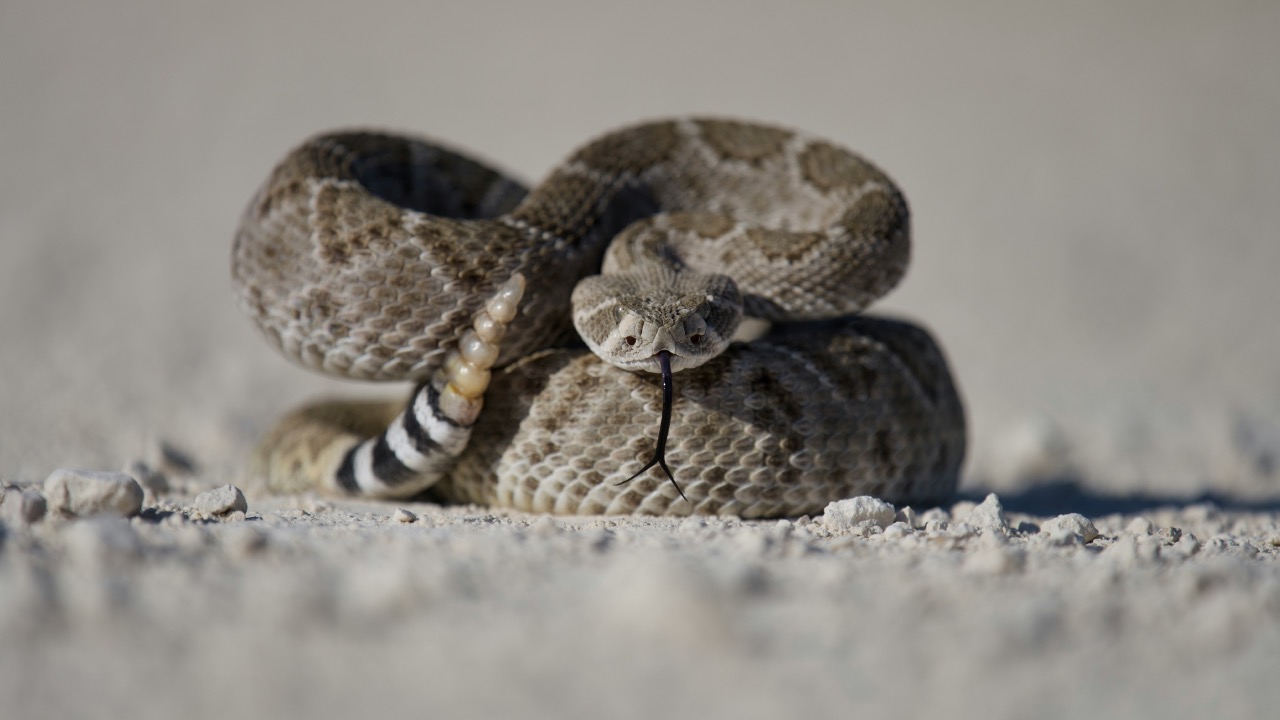
You’re seeing shorter, milder winters across much of the Southwest. When nighttime temps stay up, snakes don’t stay down as long. Species like Western Diamondback Rattlesnake and Mojave Rattlesnake start moving weeks earlier than what used to be normal.
That shift stretches the active season on both ends. More days moving means more chances for encounters. It also throws off your timing if you’re used to a later start. You step into country thinking it’s still quiet, and it’s not. Early emergence catches people before they’ve settled back into paying attention where they put their hands and feet.
Drought Conditions Push Snakes Toward People
Dry years don’t only stress game—they push predators and reptiles to look for water wherever they can find it. That often means stock tanks, irrigation edges, and shaded spots near homes.
You end up crossing paths more often because you’re both using the same limited resources. Snakes will hold tight in those areas, especially during the heat of the day. If you’re checking water or working around structures, you’re stepping into their lane. It’s not aggression—it’s proximity, and that’s enough to raise the odds of a bite.
Rodent Surges Are Drawing More Predators
Where you’ve got mice and ground squirrels, you’ll have snakes. Good winter moisture in some areas has led to a bump in rodent numbers, and that’s pulling rattlesnakes in behind them.
You’ll notice it around barns, feed storage, and brushy edges. The prey base builds, and snakes follow the groceries. That keeps them in places you’re likely to be working or passing through. It also means they’re hunting more actively, which increases movement and the chance you bump one without seeing it first.
Human Activity Is Expanding Into Snake Habitat
You don’t have to go far outside a growing town to see new houses pushing into desert and foothill country. Every new road, trail, or subdivision cuts into habitat that snakes have used for a long time.
That overlap puts more people in close quarters with them. Dogs get hit. Kids find them in yards. Folks clearing brush or setting fence posts run into coiled snakes that would’ve been miles from the nearest house a decade ago. It’s not that snakes are moving in—you’re moving into them.
Most Bites Happen When You Get Too Close
A rattlesnake would rather not waste venom on you. Most bites happen when someone steps too close, reaches into cover, or tries to handle or kill the snake.
You can avoid a lot of trouble by slowing down and paying attention. Watch where you place your hands when climbing or picking up gear. Give a coiled snake room and let it move off. A big share of bites involve people pushing the situation. Backing off is the safer call every time.
Protective Gear Still Makes a Difference
You don’t need much to stack the odds in your favor. Snake gaiters, high leather boots, and long pants can stop or reduce a strike, especially from smaller snakes or glancing hits.
It’s not foolproof, but it buys you margin. If you’re busting brush, checking trail cameras, or working in rocky ground, that layer matters. You won’t notice it until you need it, and by then you’ll be glad it’s there. It’s a practical step that doesn’t slow you down.
Dogs Are Taking a Hit Too
If you run dogs, you’ve probably heard the stories already this season. Curious noses get too close, and dogs take strikes to the face or front legs.
Training helps, and so does awareness. Keep dogs close in heavy cover, and watch water sources where snakes like to sit. There are vaccines that may reduce severity, but they’re not a guarantee. The best move is still avoidance. Once a dog is bit, you’re racing the clock to get help.
Quick Medical Response Is Critical
A venomous bite isn’t something you try to tough out. Swelling, pain, and tissue damage can set in fast, and some species carry neurotoxic venom that affects breathing.
You want to get to a hospital as soon as possible for antivenom. Skip the old myths—no cutting, no sucking, no tourniquets. Keep the limb still, stay calm, and move with purpose. The sooner you’re treated, the better the outcome. In remote country, having a plan matters before anything goes wrong.
You can’t control the weather or the way the season shifts, but you can adjust how you move through it. Pay attention, slow down where it counts, and treat every warm day like snakes are already active—because this year, they are.

Asher was raised in the woods and on the water, and it shows. He’s logged more hours behind a rifle and under a heavy pack than most men twice his age.