Sweden Steps Up Preparations for Possible Russian Incursion Amid Activity at the Kremlin
Sweden is increasing its military readiness as concerns grow over possible Russian moves in the Baltic region. The shift comes as European security officials track increased Russian activity and ongoing tensions linked to Ukraine and NATO’s northern flank. Recent comments from Swedish defense leadership suggest planning is being updated in response to what they describe as a more unpredictable security environment.
At the same time, attention has been drawn to developments in Moscow, where signals from the Kremlin and Russian military leadership are being closely monitored. Swedish officials have not confirmed any specific imminent threat, but they have made it clear that planning scenarios now include limited Russian operations designed to test NATO responses.
Sweden’s military focus is shifting toward the Baltic Sea
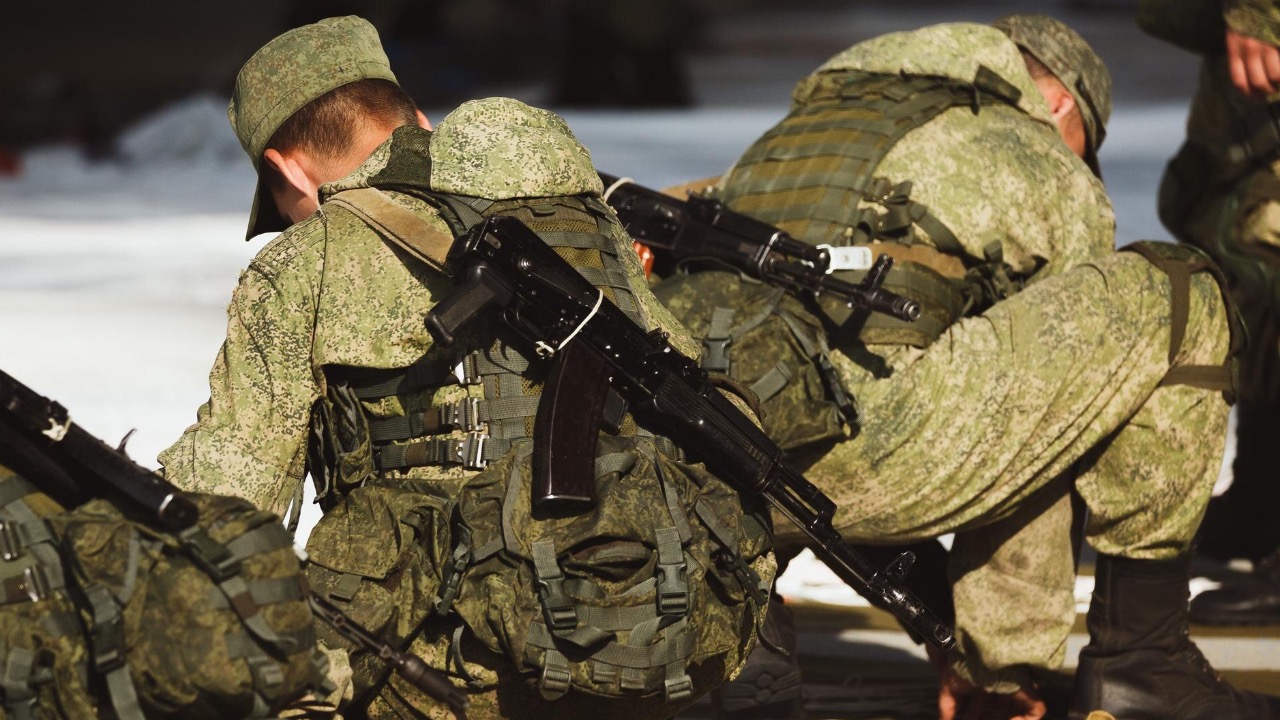
Swedish defense planning has increasingly centered on the Baltic Sea, where geography makes small territories strategically significant. Military officials have warned that even limited actions, such as a temporary seizure of an island, could be used to test how quickly NATO responds.
The island of Gotland is often mentioned in these discussions because of its location and strategic value. Analysts say controlling or disrupting activity there could affect regional shipping and air routes, which is why Sweden has strengthened its defensive posture in the area.
Concerns over “hybrid” and limited military scenarios
Security assessments in Sweden and across Europe increasingly focus on hybrid warfare and limited military actions rather than full-scale invasion scenarios. This includes sabotage, cyberattacks, and short-term territorial moves designed to create political pressure rather than long-term occupation.
Swedish intelligence has warned that Russia may be willing to take greater risks in this space, including mapping infrastructure and testing vulnerabilities in critical systems. These concerns are shaping how Sweden prepares, with more emphasis on speed of response and coordination with NATO allies.
Kremlin activity and rising regional tension
Russian activity is being closely watched by NATO members, especially after years of strained relations following the war in Ukraine. While no official confirmation links current Kremlin movements to any specific operation, Western intelligence services have consistently reported increased military planning and hybrid activity in the region.
European defense officials argue that Russia’s broader strategy may involve pressure points across multiple fronts rather than a single large operation. This interpretation is driving more cautious planning among Nordic and Baltic states, which now expect faster-moving and less predictable scenarios.
NATO alignment and Sweden’s evolving role
Since joining NATO, Sweden has taken on a more active role in regional defense planning, particularly in the Arctic and Baltic areas. This has included joint exercises and expanded cooperation with neighboring countries like Finland and other alliance members.
Officials say the goal is deterrence — making it clear that any limited incursion would face a coordinated response. The focus is less on predicting a specific attack and more on ensuring readiness for a range of possible scenarios, from cyber disruption to short-term military pressure.
What comes next for regional security planning
For now, there is no confirmed indication of an imminent Russian incursion into Sweden or NATO territory. However, defense planning is clearly shifting toward faster escalation scenarios and more flexible responses to hybrid threats.
The broader situation remains tied to ongoing tensions between Russia and Western countries, especially in the aftermath of the war in Ukraine. As a result, Sweden and its allies continue adjusting their security posture based on the assumption that future challenges may not look like traditional warfare, but something more limited, rapid, and politically disruptive.

Leo’s been tracking game and tuning gear since he could stand upright. He’s sharp, driven, and knows how to keep things running when conditions turn.