The Ruger Blackhawk: Little-Known Details About an Enduring American Revolver
You can spend a lifetime around sixguns and still keep coming back to the same one. The Ruger Blackhawk has been riding in holsters since the 1950s, and it’s earned that spot the hard way. It wasn’t built as a nostalgia piece. It was built to handle real use—heavy loads, rough country, and shooters who don’t baby their gear.
If you’ve handled one, you already know it feels different than the old Colts it resembles. There’s more going on under the surface than most folks realize. These are the details that don’t always make the catalog copy, but they’re part of why the Blackhawk has stuck around this long.
It Was Built to Handle Hotter Loads From the Start
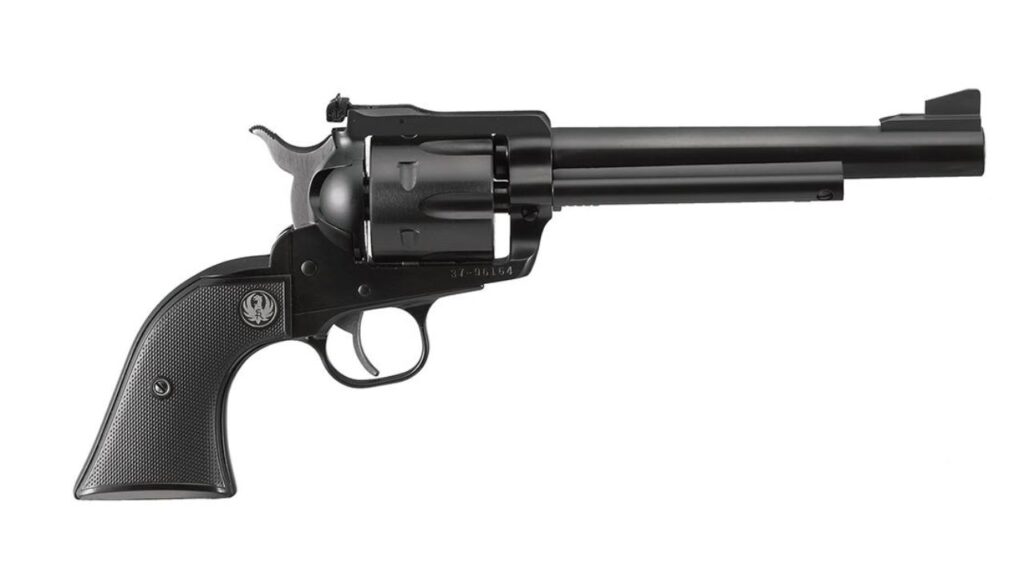
When Ruger introduced the Blackhawk in 1955, it wasn’t trying to copy old sixguns—it was fixing their limits. Early models chambered in .357 Magnum were built on a frame that could take more pressure than most revolvers of the time.
That design carried over when the .44 Magnum version showed up. Shooters quickly realized the Blackhawk could safely handle loads that would be questionable in other guns. That reputation stuck. You’ve got a revolver that doesn’t flinch at heavy handloads, and that’s a big part of why it became a favorite among hunters who wanted more power without stepping into a larger platform.
The Transfer Bar Changed How You Carry It
Older single-action revolvers had a known issue—you didn’t carry them with a full cylinder. The hammer rested on a live round, and a hard knock could set it off.
Ruger fixed that with the transfer bar system introduced in the early 1970s. It blocks the firing pin unless the trigger is fully pulled. That means you can safely carry six rounds instead of five. It’s one of those changes that doesn’t get much attention until you’ve used both systems. Once you have, it’s hard to go back. It made the Blackhawk safer without changing how it handles in the field.
The Frame Is Overbuilt Compared to Its Peers
Pick up a Blackhawk next to a traditional Colt-style revolver and you’ll feel it. The frame is thicker, especially around the top strap and cylinder window.
That extra steel isn’t there by accident. It’s what allows the gun to handle higher pressures over time without shooting loose. You pay for it with a little extra weight, but you gain durability. If you’re running stout loads or spending long days in rough country, that trade makes sense. It’s a working revolver, and the frame reflects that mindset.
Adjustable Sights Were a Big Deal Early On
One thing that set the Blackhawk apart early was its adjustable rear sight. At a time when many single-actions still wore fixed sights, Ruger gave shooters a way to fine-tune their point of impact.
That matters more than people think. When you’re changing loads or stretching distance, fixed sights can limit you. With the Blackhawk, you can dial it in for your specific setup. Whether you’re shooting factory ammo or handloads, you’re not stuck holding high or off to the side. It made the revolver more practical for hunting and not just range work.
It Spawned the “Old Model” and “New Model” Divide
If you spend time around Blackhawks, you’ll hear people talk about “three-screw” guns and “New Models.” That’s not just collector talk—it reflects a real mechanical difference.
The older three-screw models use the original lockwork and don’t have the transfer bar. The New Models, introduced in 1973, include the updated safety system. Ruger even offered a conversion program to retrofit older guns. Some shooters prefer the feel of the old action, while others stick with the added safety of the new design. Either way, it’s a split that still shapes how people buy and use these revolvers.
Convertible Models Give You More Flexibility
One of the more useful versions of the Blackhawk is the convertible setup. Certain models ship with two cylinders, letting you swap between cartridges like .357 Magnum and 9mm, or .45 Colt and .45 ACP.
That kind of flexibility isn’t common in revolvers. It gives you options depending on what you have on hand or what you’re trying to do. You can practice with one cartridge and hunt with another, all in the same gun. The swap is straightforward, and it doesn’t require tools. It’s a practical feature that adds real value without complicating the platform.
The Grip Frame Isn’t One-Size-Fits-All
Not all Blackhawks feel the same in your hand. Ruger has used different grip frame shapes over the years, including variations based on the classic “plow handle” design and the larger Super Blackhawk style.
That affects how the gun recoils and how it points. Some frames roll more in the hand under recoil, which can make heavier loads more manageable. Others fill the hand better and offer more control. If you’ve only handled one version, you might be surprised how different another feels. It’s worth paying attention to, especially if you plan to shoot heavier calibers.
It Earned a Reputation in the Field, Not the Display Case
The Blackhawk didn’t build its name sitting in collections. It earned it in holsters, on traplines, and in the hands of hunters who needed something dependable.
You’ll still see them carried for backup in bear country or used for handgun hunting. They’re not flashy, and they don’t try to be. What they offer is consistency. When you cock the hammer, you know what you’re getting. That kind of predictability matters when you’re far from the truck and relying on your gear to work the first time.
The Ruger Blackhawk has stuck around because it does its job without complaint. It handles pressure, holds zero, and keeps running. You don’t have to think about it much—and that’s exactly the point.

Asher was raised in the woods and on the water, and it shows. He’s logged more hours behind a rifle and under a heavy pack than most men twice his age.