U.S. Blockade of Iranian Ports Raises Fears of Broader Conflict and Global Oil Disruptions
The news from the Persian Gulf has escalated quickly. A U.S. naval blockade now restricts access to Iranian ports, a step taken after peace talks broke down. President Trump ordered the operation to push Iran toward a lasting agreement and end the current fighting. American warships patrol key waters, turning back or intercepting vessels that try to enter or leave. This move has already led to direct confrontations at sea, and it comes at a time when the region feels especially fragile. Many observers watch closely because the stakes involve more than just two countries. Energy flows, shipping lanes, and alliances could shift in ways that touch economies everywhere.
The Background Behind the Blockade
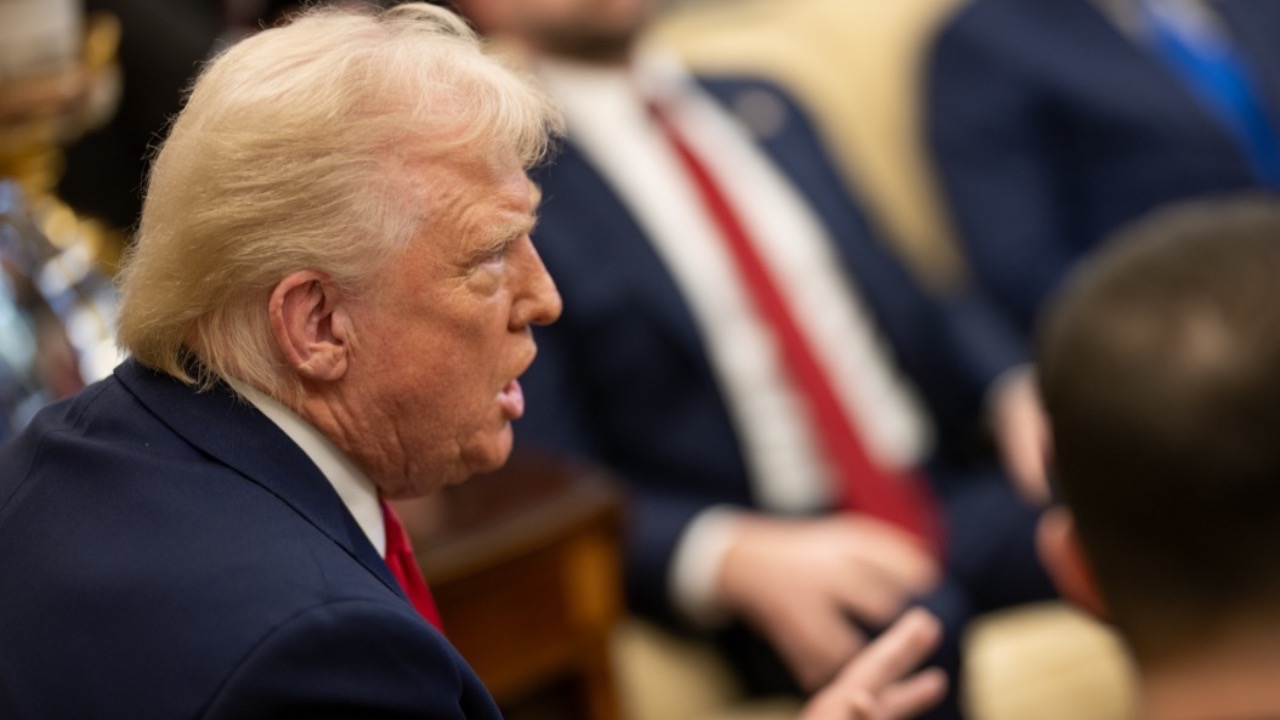
Talks between the United States and Iran had been underway for weeks, with mediators from Pakistan helping facilitate meetings. When those sessions ended without progress over the weekend, the administration moved forward with the blockade. It began around mid-April as a way to apply direct pressure on Tehran’s leadership. U.S. Central Command positioned destroyers and support ships to enforce the restrictions across Iran’s coastline and approaches in the Arabian Sea. The goal remains clear: keep the squeeze on until a deal materializes. You see the pattern in how these measures unfolded fast, within days of the talks collapsing.
Officials described the action as necessary to prevent Iran from continuing certain activities tied to the conflict. At the same time, the White House has left room for diplomacy to resume. The blockade targets commercial traffic heading to or from Iranian harbors, though details on exceptions continue to develop. This setup marks a significant shift from sanctions alone to physical naval control. Observers note it reflects years of accumulated tensions, now crystallized into this on-the-water strategy.
Inside the Naval Operation
U.S. forces operate in coordinated groups, with guided-missile destroyers taking the lead in challenging suspect vessels. Warnings go out first, followed by maneuvers to halt ships that ignore them. In one recent case, sailors disabled an engine room on an Iranian-flagged cargo ship after repeated instructions to stop. Marines then boarded and took custody. These incidents happen in the Gulf of Oman and near the Strait of Hormuz, where traffic converges. The Navy has turned away dozens of ships already, according to military updates.
You can picture the scene from the bridge of those warships: radar tracking, radio calls, and calculated force when needed. The operation draws on thousands of personnel and more than a dozen vessels already stationed in the region. Commanders emphasize precision to avoid unnecessary escalation while still maintaining the line. Humanitarian shipments receive separate consideration in planning, though the overall net remains tight. This hands-on approach shows how modern blockades rely on technology and rapid decision-making at sea.
Iran’s Response and Countermeasures
Tehran has denounced the blockade as unlawful and a violation of the recent ceasefire. Iranian officials, including those from the Foreign Ministry and the Revolutionary Guard, vowed a firm reply. In practice, that has meant tightening control over the Strait of Hormuz, with threats to restrict passage until the U.S. steps back. State media reported the waterway’s status changing in response, raising immediate concerns for tankers and commercial routes. Iran views the American action as an attack on its sovereignty and economy.
The leadership in Tehran insists it will not negotiate while the blockade stands. Military spokespeople have highlighted readiness to defend key areas, signaling possible further steps if pressure continues. At the same time, some channels suggest backdoor communications remain open through third parties. This back-and-forth keeps everyone on edge, as each side tests the other’s limits without crossing fully into open combat.
Why the Strait of Hormuz Matters So Much
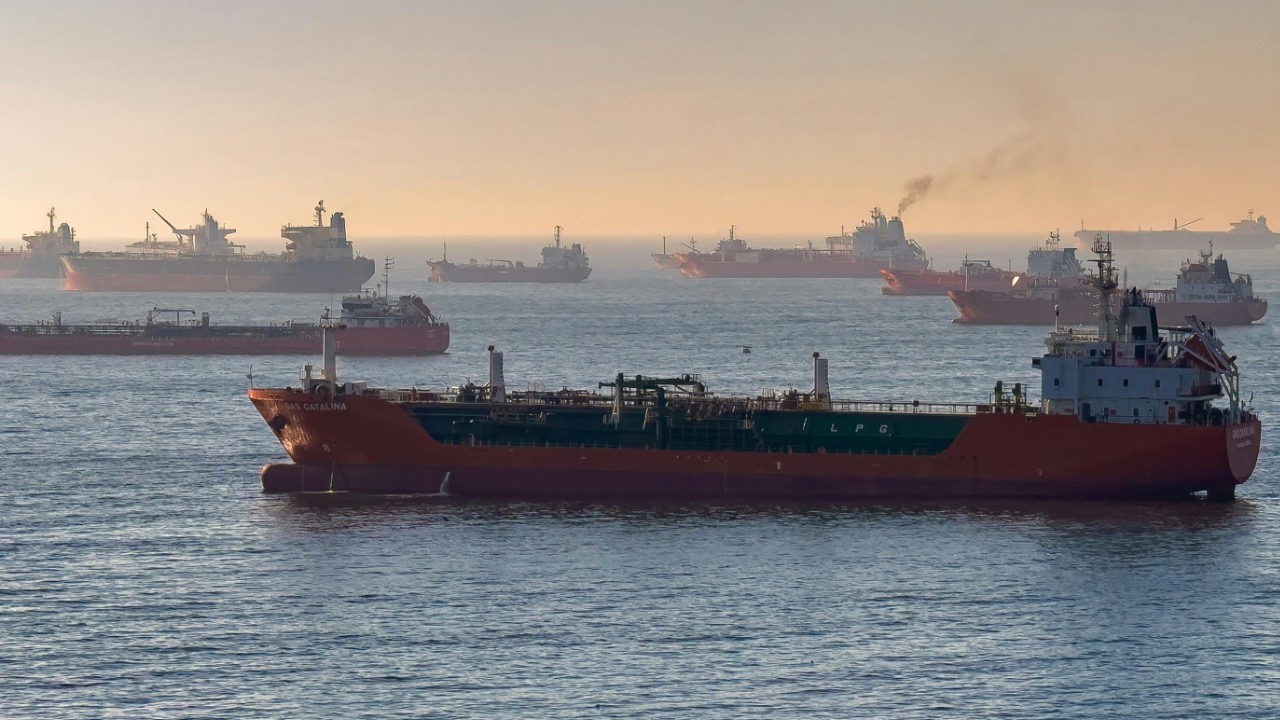
The narrow waterway between Iran and Oman serves as the main exit for oil and gas from the Persian Gulf. Roughly a fifth of the world’s daily crude supply passes through it under normal conditions. When Iran signals it might restrict movement, insurance rates for ships jump and shipping companies reroute or delay. The geography leaves little margin for error—tankers move in single file, vulnerable to mines, fast boats, or missiles. That vulnerability explains why every development here draws global attention.
You realize quickly that control of this chokepoint affects far more than local politics. Exporters in Saudi Arabia, Iraq, and the UAE rely on safe passage. Disruptions ripple outward to buyers in Europe and Asia. Past incidents have shown how quickly markets react, with prices spiking on rumors alone. The current standoff revives those memories and adds fresh uncertainty about how long the restrictions might last.
Oil Market Jitters and Supply Risks
Energy traders have already priced in some disruption from Iran’s reduced exports. The country normally sends millions of barrels abroad each day, mostly by sea. With ports effectively cut off, those volumes sit idle or seek costly overland alternatives. Global inventories offer a buffer for now, but prolonged trouble could tighten supplies and lift pump prices. Analysts point to Asia as especially exposed, given its heavy dependence on Gulf crude.
Refineries and consumers elsewhere feel the indirect effects too. Higher futures contracts translate into costlier gasoline and heating oil down the line. Governments in importing nations monitor stockpiles and consider releases from reserves if needed. The blockade’s success in isolating Iranian trade comes with this broader side effect: it reminds everyone how interconnected energy markets really are, and how quickly one decision can influence costs at the pump thousands of miles away.
The Chance of a Larger Confrontation
Military planners on both sides prepare for miscalculation. U.S. forces stay alert for Iranian fast-attack craft or proxy groups testing the blockade lines. Iran, meanwhile, positions assets to protect its coastline and respond to perceived threats. Each intercepted vessel raises the temperature slightly, even if no shots lead to full-scale fighting. The fear centers on a single incident spiraling—perhaps a ship sinking or a shore strike—into something neither side wants.
Diplomats work quietly to keep channels alive, aware that broader involvement from allies could complicate matters fast. Russia and China have voiced concerns about the instability, while regional partners weigh their own security. The blockade sits right on the edge between coercion and conflict, a place where restraint matters most. So far, both governments appear motivated to avoid the worst outcome, but the margin remains thin.
Effects on Iran’s Economy and People
Daily life inside Iran already reflects the strain. Ports handle the bulk of trade, so their isolation hits imports of food, medicine, and spare parts. Factories slow down without raw materials, and currency values wobble under the added pressure. Ordinary citizens notice higher prices for basics and longer waits for goods that once arrived by ship. The government has promised measures to cushion the blow, yet the scale of the cutoff tests those plans.
Longer term, the leadership faces tough choices about reallocating resources. Oil revenue, a cornerstone of the budget, drops sharply when tankers cannot load. This forces adjustments in spending priorities and adds urgency to finding workarounds. People follow the news closely, balancing daily routines with worry about how far the standoff might go. The human cost accumulates quietly alongside the strategic one.
Global Reactions from Allies and Rivals
China and Russia have called for calm and urged a return to talks, concerned about energy security and shipping freedom. Pakistan continues its mediation role, shuttling messages in hopes of restarting dialogue. European governments express worry over oil prices and urge de-escalation through established forums. Even close U.S. partners watch developments with a mix of support for the pressure campaign and caution about unintended fallout.
Public statements vary, but private diplomacy focuses on preventing a wider war. Some nations quietly explore alternative supply routes or increased production to offset any shortfall. The blockade has drawn condemnation from Iran’s traditional backers, who frame it as destabilizing. Others see it as a calculated move to force negotiations. This split keeps the international response fragmented, with no single bloc dominating the conversation yet.
Looking Ahead to Possible Resolutions
The coming weeks will test whether the blockade achieves its aim or simply hardens positions. Trump has indicated it stays in place until a satisfactory deal emerges, while Iran demands its removal before any further talks. Mediators search for face-saving formulas that let both sides claim progress. Military commanders, meanwhile, refine rules of engagement to handle the inevitable close calls at sea.
You sense the pressure building toward some kind of breakthrough or breakdown. History shows these standoffs sometimes resolve through quiet compromise once the costs mount. For now, the focus stays on keeping incidents from spiraling while the diplomatic track inches forward. The region—and the world—waits to see which path opens first.

Asher was raised in the woods and on the water, and it shows. He’s logged more hours behind a rifle and under a heavy pack than most men twice his age.