As Iran Conflict Intensifies, Questions Mount Over Condition and Readiness of Tehran’s Aging Tank Fleet
As tensions around Iran continue to rise, more attention is being placed on the country’s ground forces — especially its tank fleet. On paper, Iran has a large number of tanks, but size doesn’t always equal strength. Analysts are starting to question how many of those vehicles are actually ready for modern combat.
Iran is estimated to operate around 1,500 tanks, but many of them date back decades, including older Soviet-era and even pre-1979 Western models. That mix creates a situation where the total number looks strong, but the overall quality and consistency of the fleet is much less clear.
A fleet built on older platforms
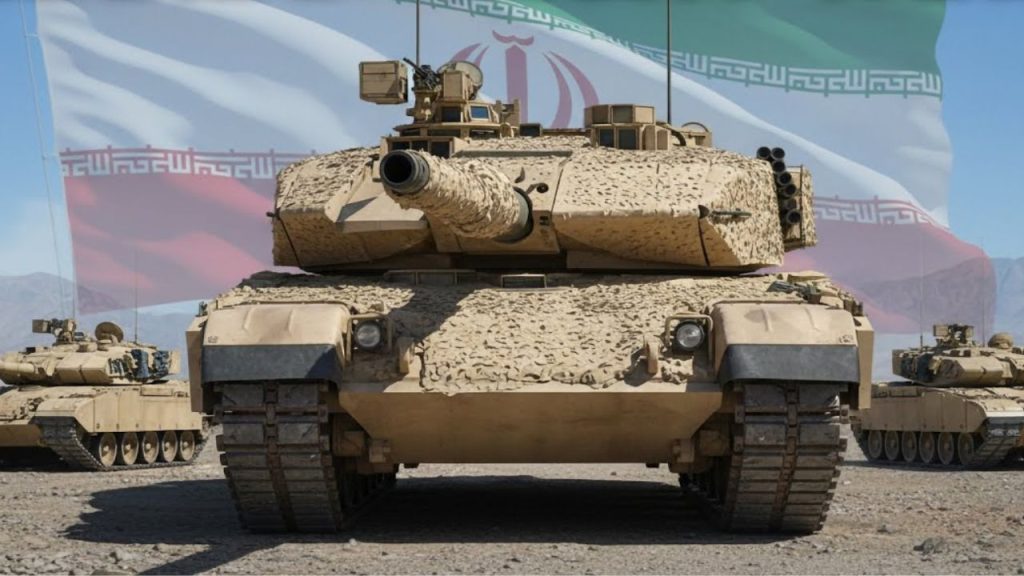
A large portion of Iran’s tank inventory comes from older designs like the T-54, T-55, and British Chieftain tanks. Some of these models were first introduced in the mid-20th century and are still in service today in upgraded forms.
While upgrades can extend the life of these vehicles, they don’t fully close the gap with modern tanks used by other militaries. Older armor, targeting systems, and mobility limitations can become major disadvantages in high-intensity conflict, especially against advanced anti-armor weapons.
Modernization efforts try to fill the gap
To deal with aging equipment, Iran has focused heavily on upgrading existing tanks instead of replacing them entirely. Programs aimed at modifying older platforms — like upgraded M60 variants and domestically produced designs — are meant to improve performance without the cost of building a completely new fleet.
This approach helps keep more vehicles in service, but it also creates a patchwork system. Different tank types with different capabilities can make coordination and maintenance more complicated, especially during sustained operations.
Readiness is harder to measure than numbers
Even if a country has a large number of tanks, not all of them are combat-ready at the same time. Maintenance, spare parts, and crew training all affect how many vehicles can actually be deployed.
Experts point out that readiness levels can fluctuate depending on resources and ongoing conflict pressure. That means the real number of usable tanks may be significantly lower than the total inventory suggests, especially during extended operations.
Strategy may matter more than technology
Iran’s military strategy doesn’t rely only on heavy armored warfare. In many cases, it focuses more on asymmetric tactics — using smaller, faster, or less conventional methods to offset technological gaps.
Recent developments in the region show that Iran has leaned on alternative approaches, including smaller naval units and other non-traditional tactics, to create pressure without relying solely on large conventional forces. This suggests tanks may play a more limited role than they would in a traditional large-scale ground war.
What it means going forward
The questions around Iran’s tank fleet come down to a simple issue: quantity versus capability. While the country maintains a sizable force on paper, the age and condition of many of those vehicles raise doubts about how effective they would be in a modern conflict.
At the same time, Iran continues to emphasize overall military readiness and claims its forces are prepared for prolonged conflict. Whether that readiness holds under real-world pressure is something analysts — and other countries — are watching closely as tensions continue to build.

Leo’s been tracking game and tuning gear since he could stand upright. He’s sharp, driven, and knows how to keep things running when conditions turn.