61 dogs rescued from a severely neglected Michigan home, authorities say
When officers entered the neglected home in Michigan, they immediately knew something was wrong. Reports described heavy odors, overcrowded spaces, and animals living in unsanitary conditions. The property showed signs of long-term neglect rather than a sudden crisis. Investigators said the dogs were confined inside parts of the house and surrounding structures with limited access to clean water or outdoor space.
Situations like this often develop quietly. Over time, animal populations grow without proper care, leading to dangerous living environments for both pets and humans. Officials emphasized that the discovery was not only about numbers but about the suffering behind them.
How 61 Dogs Were Rescued

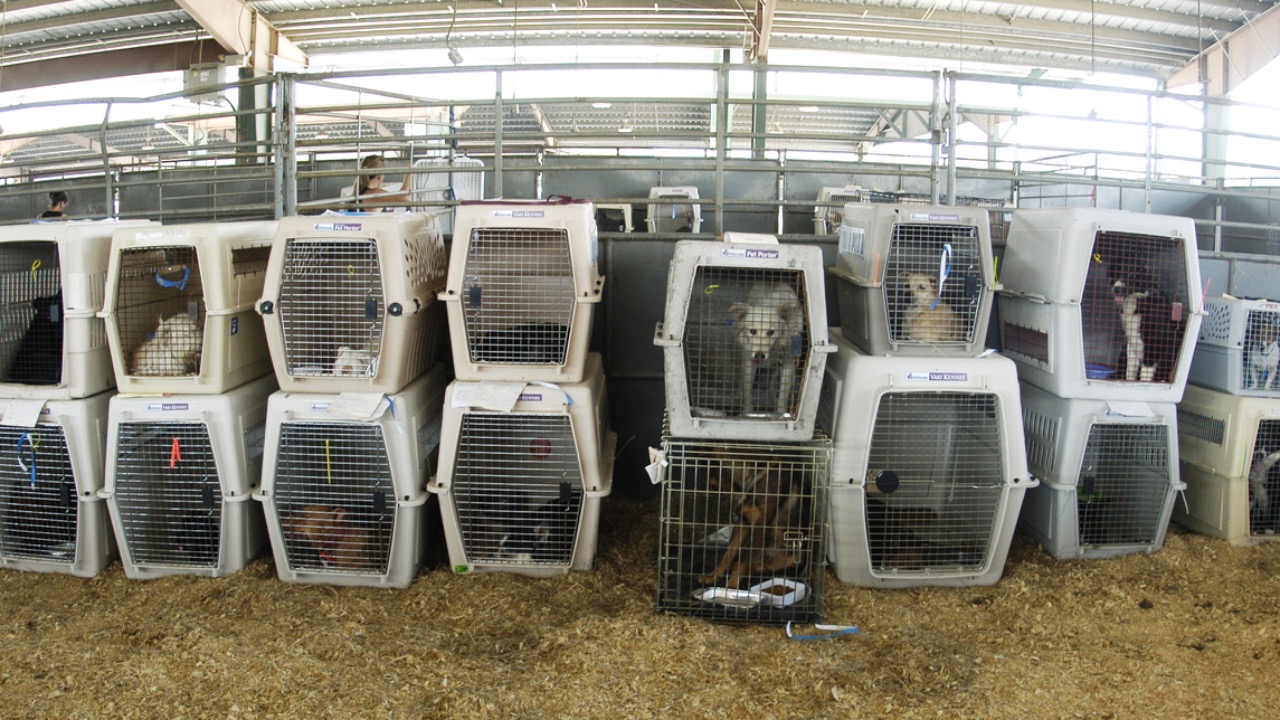
The rescue operation removed 61 dogs from the property after authorities confirmed severe neglect conditions. Responders worked carefully to avoid stressing the animals, many of which were already weak or fearful of human contact. Some dogs required immediate transport to veterinary facilities for examination and hydration.
Animal welfare teams coordinated the removal to ensure each dog was safely accounted for. Large-scale rescues like this can be complex because animals may have different medical and behavioral needs. Organizations such as the Humane Society of the United States often assist local agencies during events involving large numbers of neglected animals.
Condition of the Dogs After Rescue
Many of the dogs showed signs of long-term neglect rather than acute injury. Veterinarians reported issues such as matted fur, dehydration, dental problems, and skin infections. Some animals were underweight, suggesting limited or inconsistent feeding. Behaviorally, several dogs were shy or anxious around humans due to minimal socialization.
Treatment plans were created individually since each animal arrived in different health states. Rescued dogs often require gradual rehabilitation because sudden environmental changes can cause stress. Medical teams prioritized hydration, parasite treatment, and basic nutritional recovery before considering adoption readiness.
Who Responded to the Call
Local law enforcement worked alongside animal control officers and volunteer rescue groups. Community complaints helped trigger the investigation after neighbors reported unusual smells and sounds coming from the property. Officials confirmed that the operation required coordination between multiple agencies to safely remove the animals.
Large neglect cases often require patience and planning. Authorities want to minimize trauma to animals while gathering evidence for potential legal action. Welfare organizations provide additional manpower, medical supplies, and temporary housing arrangements for rescued animals during the first recovery phase.
What Happens to the Dogs Now
The dogs were transported to regional veterinary and shelter facilities for long-term care. Medical staff will monitor recovery progress before considering adoption placement. Some animals may require extended rehabilitation because neglect affects both physical and psychological health.
Adoption eligibility depends on behavior assessment, medical stability, and socialization progress. Shelters typically prefer gradual placement into homes with experienced owners. Many rescued animals eventually recover well when given consistent nutrition, medical treatment, and human interaction. The process can take weeks or months depending on the severity of earlier living conditions.
Animal Neglect Concerns in Michigan
This rescue highlights ongoing concerns about animal neglect cases across Michigan. Welfare advocates say large-scale neglect situations sometimes go unnoticed until animals are already suffering. Community reporting plays a critical role in identifying potential problems early.
Organizations such as the Humane Society of the United States encourage residents to report suspicious animal conditions, including overcrowding, lack of food, or persistent odors. Experts note that education, access to veterinary care, and responsible breeding practices can help reduce similar incidents in the future.

Asher was raised in the woods and on the water, and it shows. He’s logged more hours behind a rifle and under a heavy pack than most men twice his age.