Wisconsin Duck Hunter Shoots Wolf at Close Range After Pack Surrounds Group
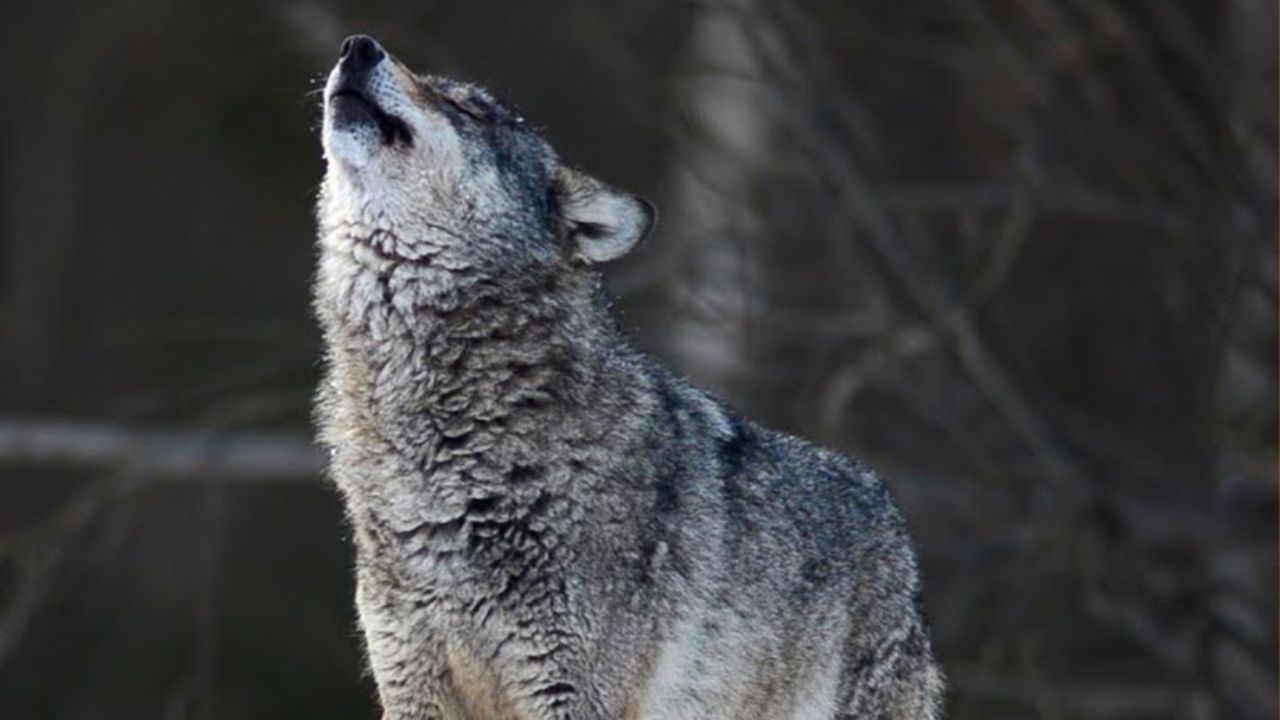
Encounters between hunters and wolves in parts of the northern United States remain rare, but they do happen in regions where wolf populations overlap with outdoor recreation. In Wisconsin, discussions about a recent reported incident involving a duck hunting group and a wolf pack have renewed attention on wildlife behavior and how quickly situations in the field can escalate.
According to accounts circulating in outdoor communities, a group of hunters was moving through a marsh area when they became aware of wolves nearby. The situation reportedly intensified when multiple animals were observed at closer distance than expected, leading to a moment of high tension in an already remote environment.
Close-range encounter raises safety concerns
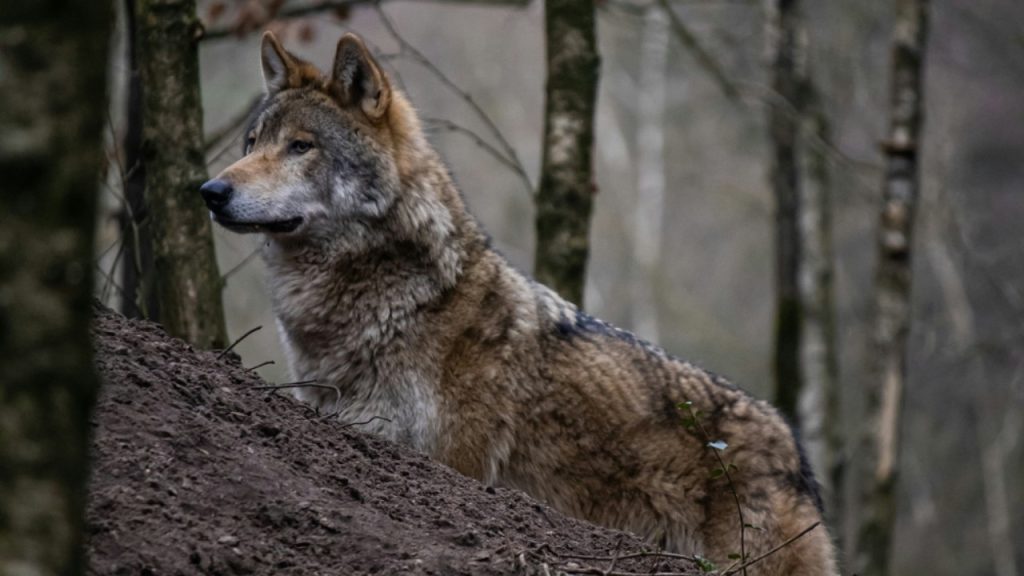
In this type of environment, visibility can be limited and animals can appear suddenly, especially in dense wetlands where waterfowl hunting often takes place. Reports describe a situation where the hunters felt surrounded or closely approached, creating a perception of immediate risk.
Wildlife officials typically stress that wolves are generally cautious around humans and avoid direct contact. However, when food sources, territory pressure, or habituation are involved, animals may come closer than usual. In these moments, human perception of threat plays a major role in how quickly events unfold.
Wolf behavior and regional population context
Wolves in Wisconsin are part of a managed population that has fluctuated over the years due to conservation policies and legal protections. Their behavior is typically focused on hunting deer and other wildlife rather than interacting with people.
Experts often point out that pack behavior can sometimes be misinterpreted in the field. Wolves moving together through a shared area does not always indicate aggressive intent, but from a human standpoint, multiple large predators at close range can be perceived very differently in the moment.
Hunting environments and split-second decisions
Hunting situations require constant awareness of surroundings, especially in low-visibility terrain like marshes and forests. Even experienced hunters can find themselves in situations where animals appear suddenly and distances are difficult to judge.
Officials reviewing wildlife encounters often focus on whether the situation involved a genuine threat or a defensive reaction based on perception. These evaluations take into account environmental conditions, animal behavior, and how quickly the encounter developed.
Broader debate over wolves and human interaction
Wolf populations in parts of the Midwest have been a topic of ongoing debate for years, with discussions centered on conservation, livestock protection, and public safety. While most encounters remain non-violent, isolated incidents tend to draw significant public attention.
Hunters, conservationists, and wildlife managers often have different perspectives on how wolf populations should be handled. These disagreements become more visible after reported encounters, especially when they involve close-range situations in the field.
What typically happens after encounters like this
When incidents involving wolves and humans are reported, state wildlife agencies may review the details to understand what occurred and whether any regulations were followed. This can include interviews, location assessment, and review of environmental conditions at the time.
In most cases, the goal is not just to evaluate a single event but to understand broader patterns of wildlife movement and human interaction. These reviews help inform future guidance for outdoor users in regions where predator populations are present.
Ongoing focus on coexistence and awareness
As wolf populations continue to exist in parts of the Midwest, outdoor safety discussions often emphasize awareness and preparation rather than confrontation. Hunters and recreationists are encouraged to understand animal behavior and adjust their expectations when entering remote areas.
While rare encounters can escalate quickly due to surprise and proximity, wildlife experts continue to stress that most predator species, including wolves, tend to avoid humans when given space.

Leo’s been tracking game and tuning gear since he could stand upright. He’s sharp, driven, and knows how to keep things running when conditions turn.