This U.S. forest supports the nation’s largest wild elk herd
The largest wild elk herd in the United States gathers in a stretch of western Colorado where deep forest, high plateau and open meadows all meet. At the center of this range sits the White River National Forest, a public landscape that has quietly become one of the most reliable places in North America to see elk living on their own terms. This piece looks at how the forest supports such a large herd, what that means for nearby communities, and how it compares with other famous elk strongholds across the West.
Where the biggest wild herd actually lives
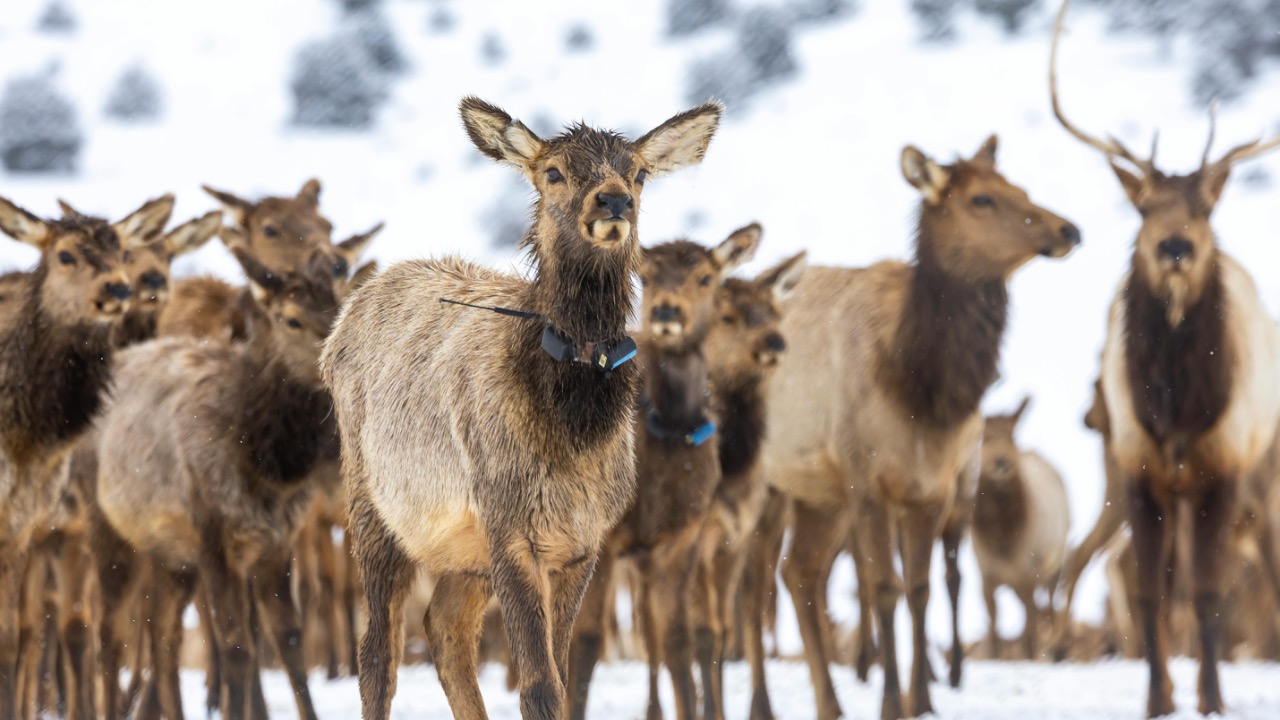
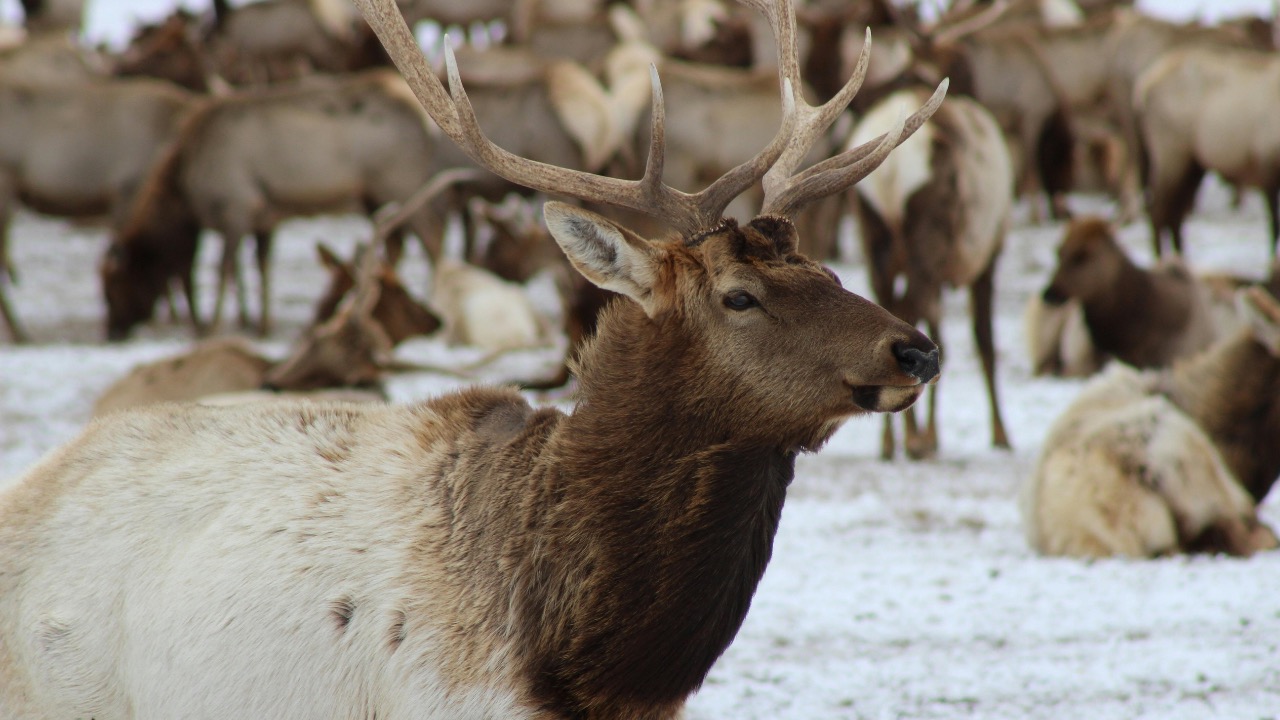
Hunters and outfitters in western Colorado talk about the White River Elk Herd in almost mythic terms, and they back that up with a striking number. One outfitting business describes the White River Elk Herd and places its size at exactly 36,000 animals, which would make it not only the largest elk herd in the United States but, by that account, the largest in the world. That figure reflects a landscape where elk still have room to move between summer and winter range, and where hunting pressure is spread out across a huge area instead of squeezed into a few small valleys.
Guides who work this country describe the White River elk as a wide-ranging population that uses both forested slopes and open high country. One operation, Wapiti Outftters, says it is literally in the middle of the biggest elk herds in the world and places the White River Elk between those seasonal ranges. That kind of movement is what keeps a wild herd healthy: animals can follow green-up in spring, escape deep snow in winter, and spread out when they need to avoid predators or people.
How the White River National Forest shapes elk habitat
The White River National Forest covers a huge slice of the central Rocky Mountains, and its shape on the map helps explain why elk thrive here. The forest stretches across high peaks where ridgelines pierce 14,000 feet, then drops down into broad mesas and timbered valleys that give elk cover from heat, cold and human activity. Reporting on the area notes that the airport at Eagle, which serves the Vail area, now brings more visitors into this country, but it also confirms that large blocks of public land in the White River National remain intact.
On the forest’s western edge, the terrain softens into the flat tops and rolling hills that elk use as transition country. This mix of steep alpine basins and gentler lower country lets the herd shift with the seasons without leaving public land. That continuity matters because it means fewer fences, fewer roads and more connected habitat, all of which make it easier for elk to move in large groups and keep that 36,000 figure realistic rather than theoretical.
Meeker’s front-row seat to a giant elk range
For people, the best window into this elk stronghold is the small town of Meeker. The community sits right at the edge of the White River National Forest, and local tourism leaders lean into that geography. One description says Meeker is literally Nestled at the edge of the White River National Forest and known for spectacular beauty and outstanding hunting opportunities, which is a polite way of saying that elk are part of daily life here.
The same local description highlights the White River National Forest as a place where visitors can hike, fish and camp, but it also stresses that many outfitters and guides operate here offering outstanding hunting opportunities. That combination of scenery and access helps explain why Meeker has become a hub for people who want to see or pursue elk in one of the few places where the animals still move in such large, wild groups. When a town uses its proximity to elk habitat as a calling card, it reflects how central the herd has become to both local identity and the regional economy.
Colorado’s elk dominance in national context
Zooming out from the White River National Forest, Colorado as a whole holds a dominant position in the elk world. A recent overview of elk numbers by state lists Colorado in the top slot, with 290,000 elk located in Colorado. That same breakdown notes that the elk in Colorado are usually near the Rocky Mountains, which is exactly where the White River National Forest sits, so the forest is not an outlier but a core piece of a much larger picture.
The same ranking places Montana in the second slot and refers to it as Montana, Big Sky Country, where You can find elk in both prairie and mountainous areas. That comparison matters because it shows that even in another elk-heavy state with big open spaces, the typical herds are spread across more varied terrain and not gathered in a single concentration like the White River Elk Herd. Colorado’s combination of high overall numbers and one especially dense wild herd makes the White River National Forest stand out even more on the national map.
How this wild herd differs from the National Elk Refuge
When people think of elk in large groups, many picture the famous wintering grounds in Jackson Hole. The National Elk Refuge is a Wildlife Refuge located in Jackson Hole, Wyoming, and it was created to protect habitat for a large herd that historically migrated through the valley. The National Elk Refuge sits right next to the town of Jackson and is managed by the U.S. Department of the Interior, which means the animals there live in a much more structured setting than the elk moving through the White River National Forest.
On the refuge, managers provide feed during harsh winters and closely control where and when visitors can see the herd. In the White River National Forest, by contrast, the White River Elk Herd spreads out across timber, meadows and high plateaus without a single central feed ground. Both places help elk survive, but one does it through intensive management on a defined piece of land while the other relies on the sheer size and variety of public forest to keep the herd wild and self sufficient.
Why seasonal movement keeps the herd healthy
Elk are built to move, and the White River Elk Herd shows what happens when they still can. Outfitters who operate here describe the herd as shifting between summer and winter range, using high country during the growing season and lower timber when snow piles up. Wapiti Outftters, for example, says its camps sit in the middle of the biggest elk herds in the world and that the herd moves between summer and winter range in this part of Colorado.
This kind of migration spreads grazing pressure across the landscape, which lets plants recover and keeps meadows productive. It also reduces the risk of disease that can build up when animals are packed into a single valley all year. In a forest where ridges reach 14,000 feet and broad mesas lie below, elk can pick the microclimates that suit them, and that freedom of movement is a big reason the White River Elk Herd can sustain an estimated 36,000 animals.
Tourism, hunting and the local economy
A herd this large does more than shape the ecology of the White River National Forest, it also shapes the local economy. In Meeker and other nearby towns, outfitters, guides, motels and restaurants all tie a good part of their annual income to elk season. Local tourism officials make that link explicit, describing the White River National around Meeker as a place with outstanding hunting opportunities that draw visitors from far beyond Colorado.
Those visitors spend money on more than tags and guides. They buy fuel, groceries, gear and sometimes even trucks or off road vehicles in nearby communities. That spending helps small towns stay afloat in a region where other industries, such as timber and energy, have become more volatile. The elk herd, in other words, is not just a wildlife success story, it is also a steady economic engine for the people who live near its range.
Pressure from recreation and access
Success brings its own challenges. As more people discover the White River National Forest, the same roads and trails that give hunters and hikers access to elk country can also fragment habitat. Reporting on the forest points out that the airport at Eagle, which serves the Vail area, has helped turn the region into a year round destination. That growth means more traffic on forest roads and more pressure on the flat tops and high country where elk spend their summers.
Managers face a balancing act. They need to keep roads open enough for public access while limiting disturbance during key times such as calving season. Unlike the National Elk Refuge, which can close specific zones and feed grounds, the White River National Forest is a patchwork of uses that includes ski areas, grazing allotments and motorized recreation. The size of the forest helps, but careful planning is still needed so that the very popularity of this elk stronghold does not erode the qualities that made it a haven in the first place.
How other elk destinations complement the White River story
The White River Elk Herd does not exist in isolation. Across the West, other landscapes show different ways people have tried to live with large elk populations. At the National Elk Refuge in Jackson Hole, visitors can take guided sleigh rides to see elk that have gathered on the valley floor for winter, a very different experience from glassing timbered slopes in the White River National Forest.
States like Montana, which the same nationwide ranking places just behind Colorado, offer yet another model, with elk spread between prairie breaks and mountain ranges in Big Sky Country. You can see from these examples that there is no single template for supporting elk at scale. The White River National Forest stands out because it still holds the nation’s largest wild herd without relying on feed lines or dense town edge wintering grounds, and that makes it a key test of how far a modern, multi use forest can go in keeping a truly wild elk population on the land.

Leo’s been tracking game and tuning gear since he could stand upright. He’s sharp, driven, and knows how to keep things running when conditions turn.